



Classical Brass Candleholders
Classical brass candleholders bring distinct period weight and warm metal tones to a room, offering functional lighting shaped by historic design.
Classical Brass Candleholders
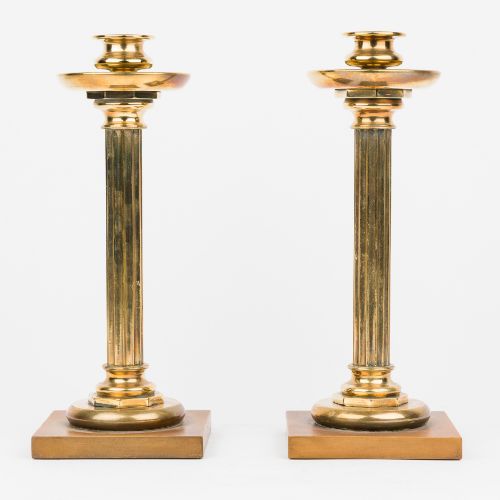
Classical brass candleholders comprise candlesticks and candelabra shaped by Georgian, Regency, Victorian, and Edwardian aesthetic traditions. These pieces reflect historic interior schemes through formal symmetry and traditional casting methods.
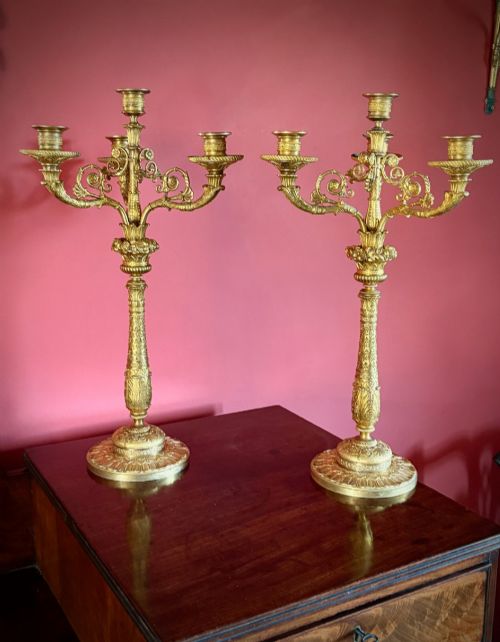
The selection centres heavily upon paired objects designed for mantelpieces, side tables, and dining settings. Examples span simple domestic brass work to ornate Continental designs incorporating multiple branches.
Origins range from British workshops to French foundries, encompassing both straightforward metal construction and mixed media compositions. Buyers encounter forms drawing directly on French Empire and Louis XVI vocabularies.
Materials and Construction
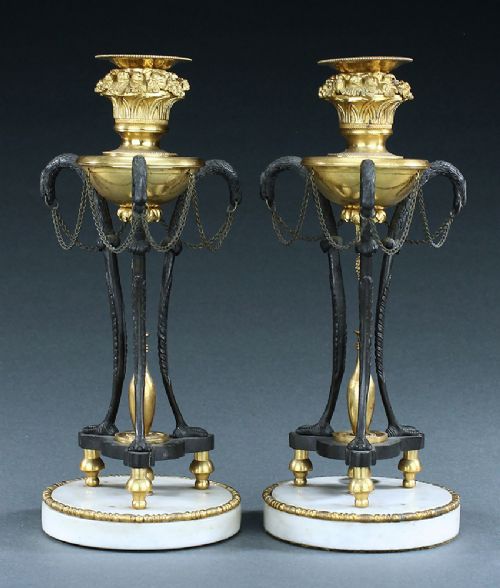
Foundries utilised brass, gilt bronze, and ormolu, often pairing metalwork with contrasting plinths of Sienna marble. Patinated bronze frequently appears alongside gilded surfaces to create tonal contrast.
Casting methods produced solid structural components that were subsequently chased and finished by hand. Heavy bases, frequently incorporating marble or iron elements, provided the necessary stability for multi-branched candelabra.
Classical Brass Candleholders Retail Price Guide 2026
Typical asking prices for classical brass candleholders among the pieces listed under this phrase on Sellingantiques today, from the lower quarter to the upper quarter. They describe what is for sale here now, not the wider market.
Listings feature 19th Century, Regency, and Edwardian periods utilising brass, gilt bronze, ormolu, and marble.
Assessing Craftsmanship
Quality rests in the crispness of the casting and the precision of the hand-chased surface detail. Superior examples retain sharp architectural mouldings and cleanly articulated decorative motifs rather than softened edges.
The integration of mixed materials demonstrates the standard of manufacture. Well-executed mounts fit flush against marble plinths, and multi-part assemblies join securely without visible distortion.
J. Miller
The Classical Brass Candleholders Glossary
- Ormolu
- Finely ground high-carat gold mercury-gilded to a bronze object. This surface treatment yields a rich, warm lustre characteristic of French decorative arts.
- Candelabra
- A multi-branched lighting device designed to hold several candles simultaneously. These fixtures typically feature a central stem branching into symmetrical candle arms.
- Patinated Bronze
- Bronze treated with chemical solutions to produce a darkened surface finish. This technique creates subtle tonal variations across the metalwork.
- Sienna Marble
- A yellow-gold decorative marble quarried in Italy, featuring dark veining. It provides a dense, colourful base for neoclassical metal mounts.
Classical Brass Candleholders: Frequently Asked Questions
How do I clean antique brass candleholders?
Dust gently with a soft dry cloth to preserve the existing surface patina. Avoid abrasive polishes that strip historic finishes and damage delicate metalwork.
Keep pieces away from direct moisture and chemical cleaners. Proper handling ensures the longevity of both gilded and patinated surfaces.
How can I date a pair of brass candleholders?
Examine the casting quality, assembly methods, and stylistic cues against known period designs. Georgian and Regency pieces often display sharper neoclassical proportions, while Victorian examples lean towards heavier ornamentation.
Check for casting seams and fastener types used in the construction. Hand-turned components and traditional fixings offer reliable clues to the era of manufacture.
Where should I place these in a room?
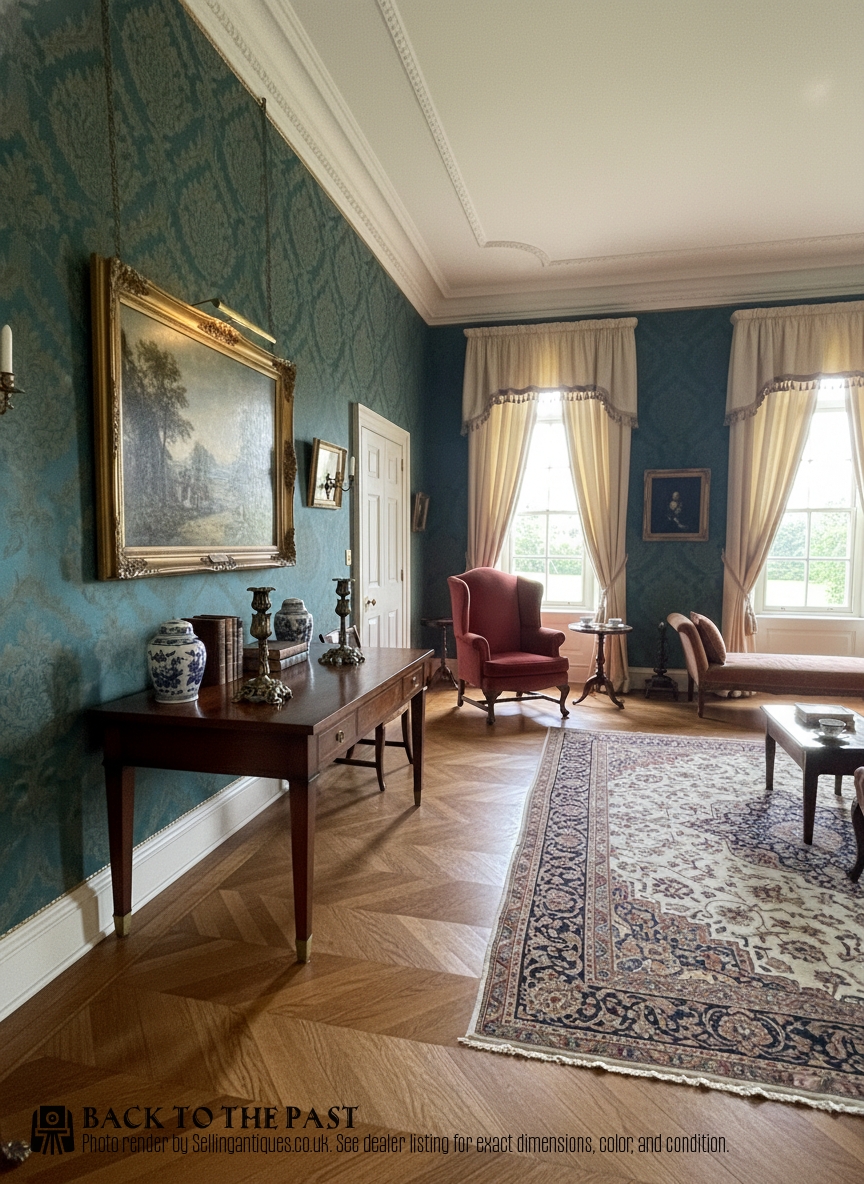
Position them on mantelpieces, sideboards, or console tables where their height and metallic surfaces catch the light. Paired arrangements work effectively to anchor symmetrical room layouts.
Ensure they sit on stable, level surfaces away from heavy foot traffic. Their weight and projection require adequate space to be displayed safely.