

Vintage Brass Taper
Vintage brass taper selections bring functional lighting to rooms, offering sturdy metal forms designed for holding small wax candles.
Vintage Brass Taper
When you search for a vintage brass taper, you examine candlesticks and lighting accessories produced across the eighteenth, nineteenth, and early twentieth centuries. These metal objects include domestic candlesticks, desk items, and church lighting created in various stylistic revivals.
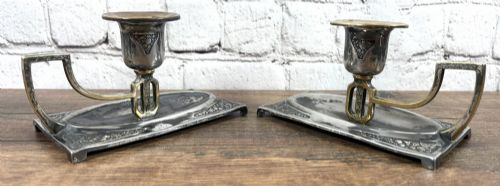
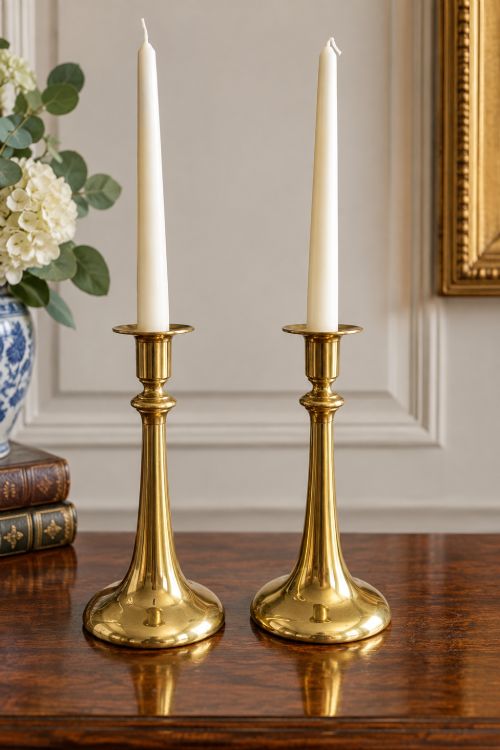
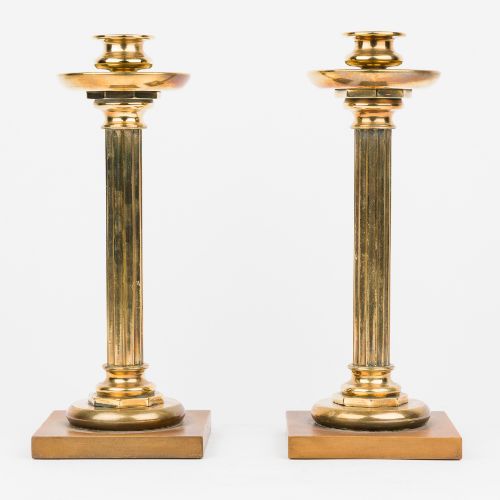
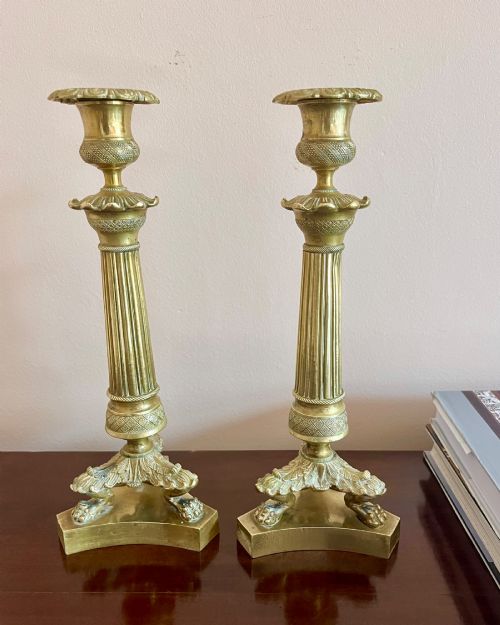
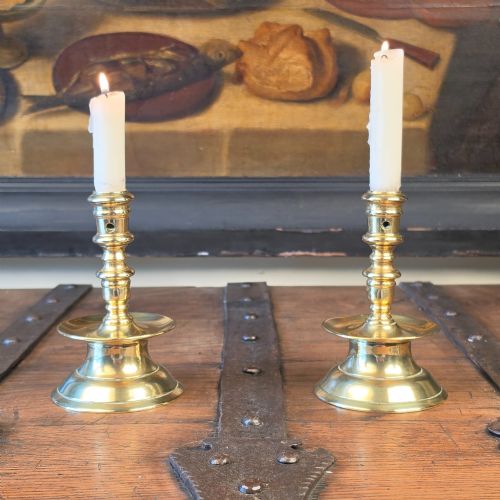
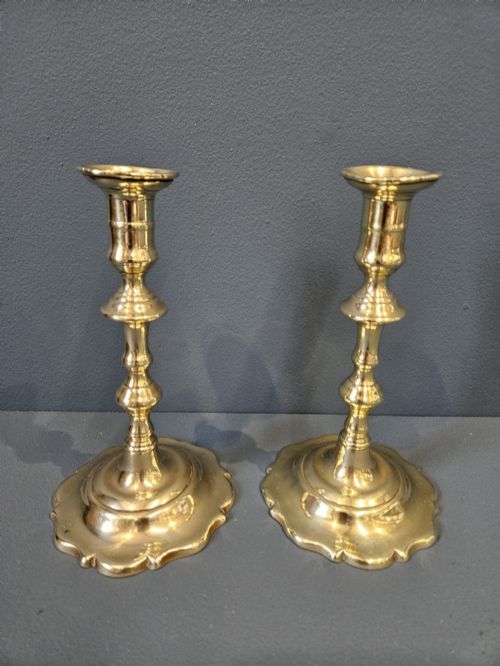
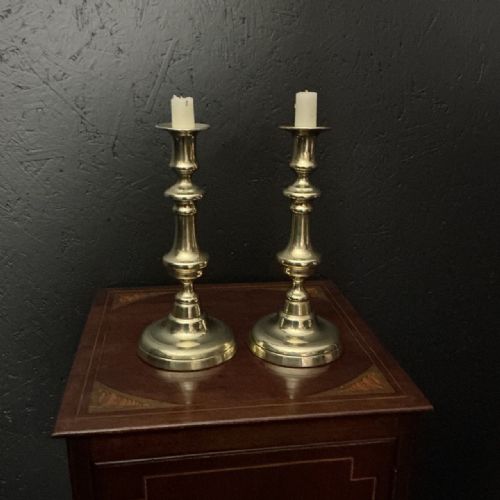
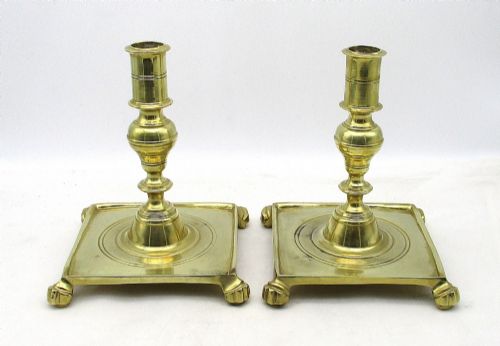
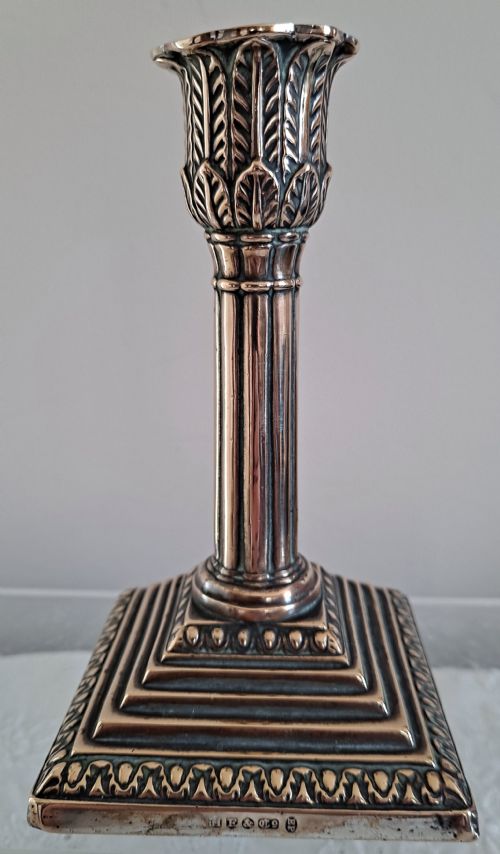
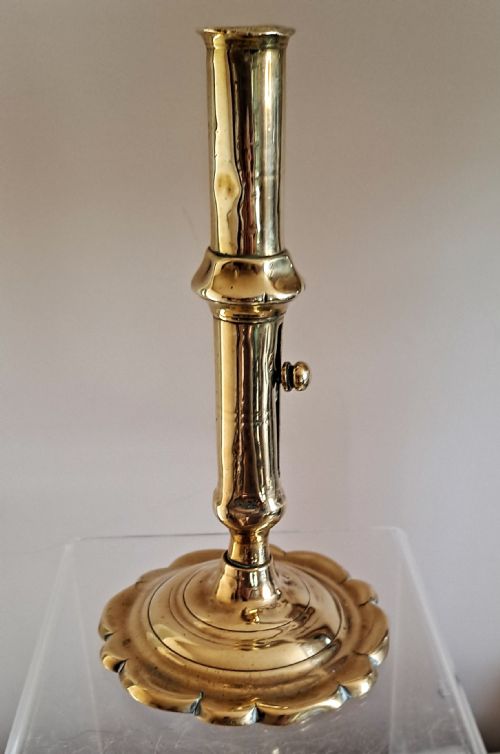
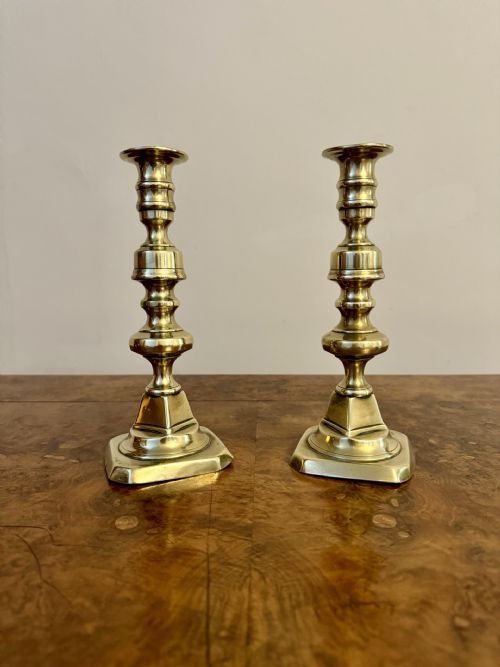
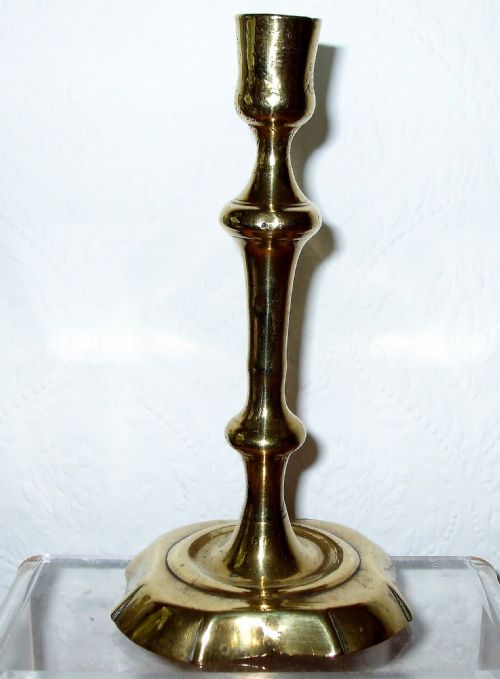
The most common forms on this page are pairs of candlesticks originating from the Georgian, Victorian, and Edwardian periods. Examples range from simple petal-based designs to tall column and twisted configurations.
How vintage brass taper items were made
Items in this category rely primarily on cast and seamed brass, shaped through traditional metalworking techniques. Some pieces incorporate bronze, gun metal, or silver plating to achieve different surface finishes and weights.
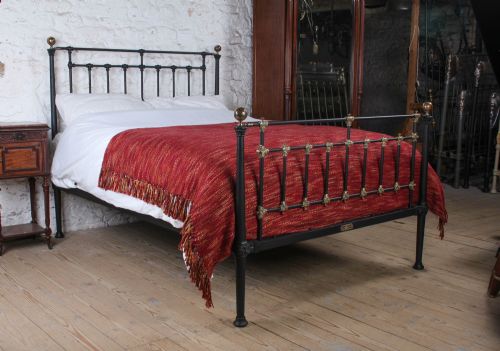
Manufacturers utilised turning and joining methods to construct multi-part candlesticks, occasionally pairing the metal with cut glass components or incorporating tapered wooden posts in related furniture frames.
Some tall church candlesticks stand ready to cast light on grand rituals, though they now happily illuminate modern living rooms instead.
What varies in quality
The standard of a piece depends on the precision of the casting and the crispness of decorative details such as petal bases and twisted stems. Heavier metal gauge and balanced proportions separate utilitarian items from finer examples.
Original matching pairs demonstrate greater consistency in manufacture than assembled sets, while maker marks from firms like J.T. & Co or Frederick J Smith & Co add documented provenance.
J.T. & Co·Frederick J Smith & Co·François Linke·Jenners·Howard & Sons
The Vintage Brass Taper Glossary
- Taper
- A slender wax candle designed for lighting fires or sealing letters, which requires a specific small-format holder.
- Seamed brass
- Metal sheets joined at a visible seam during the construction of hollow candlestick stems before modern extrusion methods.
- Petal base
- A foot design shaped like overlapping flower petals, commonly found on eighteenth-century candlesticks.
- Ejector
- A concealed internal mechanism that pushes the remaining candle stump out of the socket.
- Column candlestick
- A lighting form modelled on classical architectural orders with a defined base, shaft, and capital.
Vintage Brass Taper: Frequently Asked Questions
How do I date a brass candlestick?
Dating relies on manufacturing techniques, base shapes, and stylistic markers recorded in the evidence. Seamed construction and petal bases typically point towards eighteenth-century Georgian origins, whereas heavier ornamentation often indicates Victorian or Edwardian production.
Changes in metal composition, such as the use of gun metal or silver plating, also help establish the period. Comparing proportions and assembly methods against documented examples provides further clarity on age.
Are these candlesticks sold as pairs?
Many listings offer matched pairs of candlesticks intended for symmetrical placement on mantelpieces, sideboards, or desks. Single pieces and larger sets also appear across the inventory.
Reviewing individual descriptions confirms whether items were manufactured together or assembled later as a matching pair based on height and style.
What is a taper candlestick used for?
These smaller holders were traditionally used for thin taper candles designed to light larger lamps, fires, or seal correspondence with wax. Their compact dimensions made them portable for desk use and movement between rooms.
Today, collectors utilise them for ambient lighting or as decorative objects on tables and cabinets.
What materials are used alongside brass?
While brass is the predominant metal, the inventory includes pieces incorporating bronze, gun metal, and silver plating. Some lighting items also feature cut glass components.
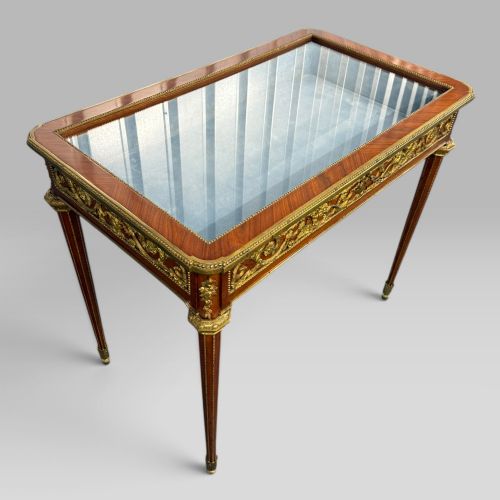
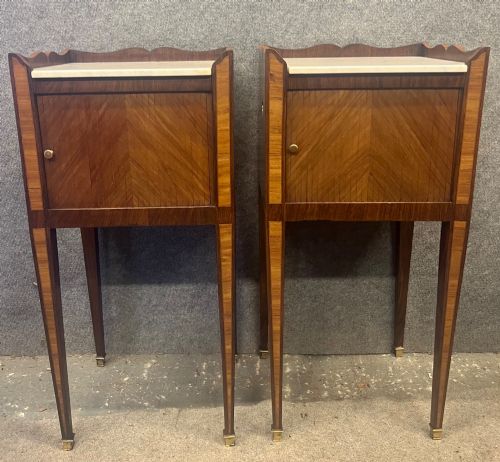
Related furniture entries within the listings combine brass with mahogany, walnut, marble, and iron elements.