
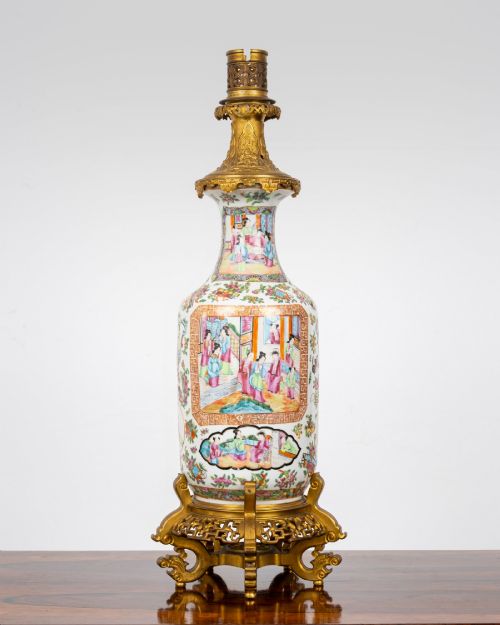
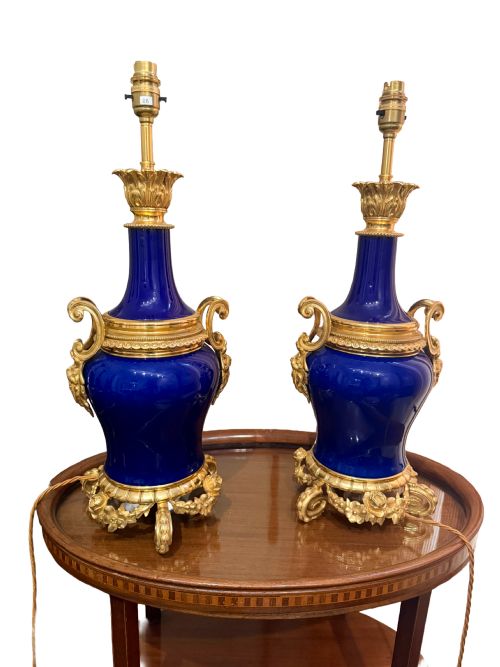
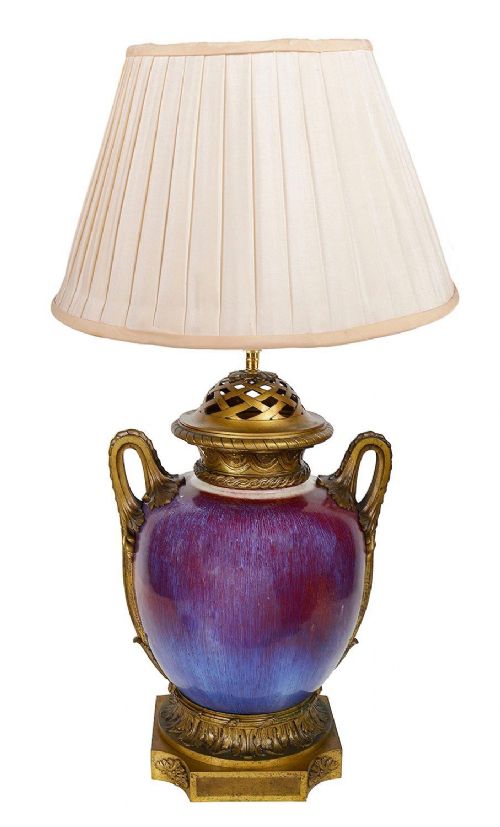


Ormolu Porcelain Lamps
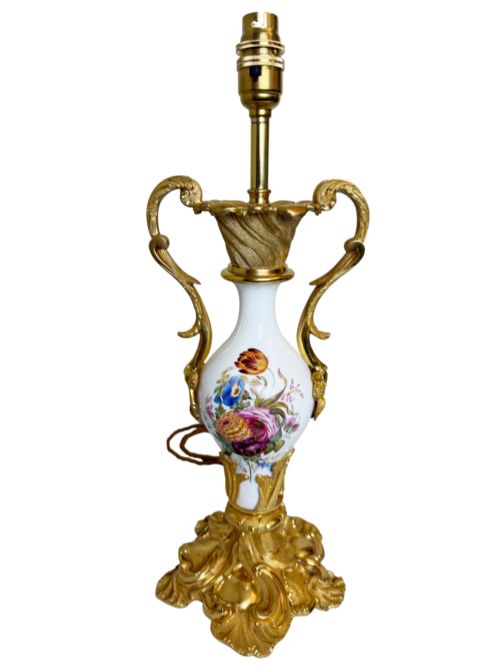
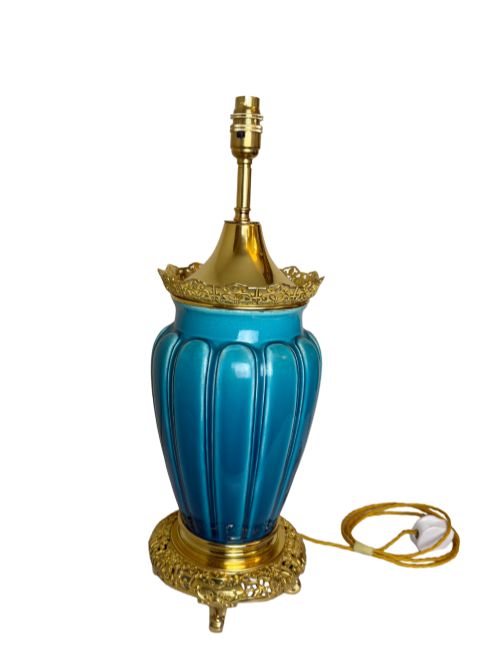
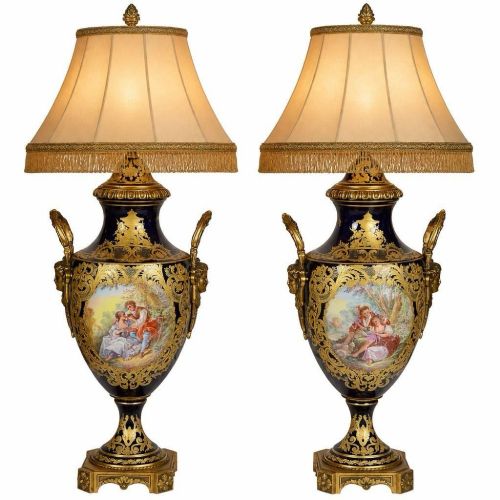
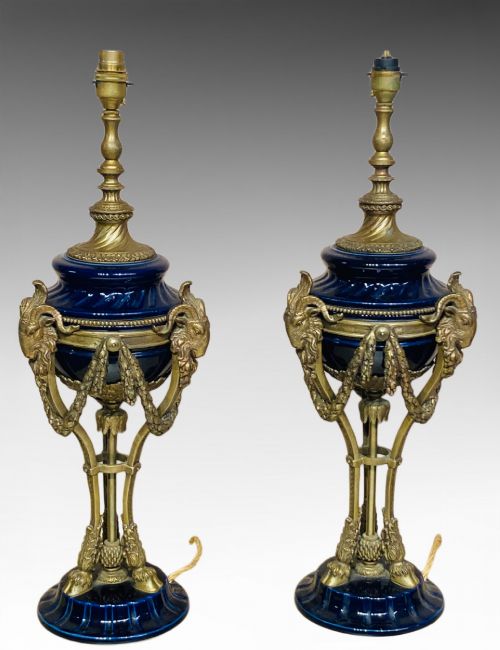
Ormolu porcelain lamps unite the lustre of fire-gilt metal with the delicate glaze of ceramic bodies.
Ormolu Porcelain Lamps
Ormolu porcelain lamps combine ceramic bodies with cast metal mounts to create decorative lighting. These pieces take the form of table lamps and converted vases dating from the eighteenth and nineteenth centuries.
The buyer encounters two distinct geographic traditions in these pieces. European works feature French styles such as Sevres and Rococo Revival, whilst Asian examples utilise Chinese export ceramics and Japanese imari patterns.
Many items begin life as decorative vases before conversion into lamps. This process involves mounting the ceramic vessel on a bronze base and fitting it for electricity.
Materials and Techniques
Makers construct the metal components from bronze or brass finished with ormolu or gold leaf. This technique involves applying a mercury-gilt amalgam to cast bronze, producing a bright golden finish.
The ceramic bodies employ porcelain, glazed ceramic, or china. Artisans decorate these surfaces using hand-painted motifs, cobalt blue underglazes, and raised pâte-sur-pâte designs.
Mounts are secured to the ceramic vessels using pins, screws, or collars. These bronze additions protect the vulnerable rims and bases of the porcelain while providing structural support for wiring.
Materials documented across these listings include porcelain, gilt bronze, ormolu, fabric, brass, silk, glazed ceramic, and gold leaf.
Quality Variations
The crispness of the bronze chasing dictates the quality of the metalwork. Superior mounts display sharp relief and deep undercutting, whereas inferior examples present soft, muddy casting details.
The quality of the porcelain body and its hand-painted decoration also determine value. Fine pieces exhibit precise brushwork and rich colour glazes, while lesser items show standard transfer printing or plain surfaces.
Gien France·Samson
The Ormolu Porcelain Lamps Glossary
- Ormolu
- A golden-coloured bronze alloy finished with mercury gilding. This technique gives the metal a distinctive warm lustre.
- Pâte-sur-pâte
- A method of porcelain decoration where liquid clay is applied in successive layers to build a raised design. It creates a cameo-like relief effect against a coloured ground.
- Sevres
- A famous French porcelain manufactory known for fine hand-painted wares. Many nineteenth-century pieces imitate this aesthetic.
- Sang de bœuf
- A rich ox-blood red ceramic glaze developed in China. It relies on copper reduction fired at high temperatures.
Ormolu Porcelain Lamps: Frequently Asked Questions
Are these lamps originally electrified?
Most pieces originate as oil lamps or decorative vases created before the widespread adoption of electricity. Workshops later adapted these ceramic vessels into table lamps by adding internal wiring and lamp holders.
This conversion process preserves the antique ceramic and bronze bodies while making them functional for modern interiors. Collectors often look for professional wiring that respects the historical structure of the piece.
How do I identify French style from Chinese export?
French style pieces typically feature Rococo or Louis XVI motifs, pastel colour palettes, and Sevres-inspired hand-painted scenes. The mounts on these examples often display elaborate scrollwork and floral garlands.
Chinese export pieces utilise traditional ceramic forms such as baluster vases decorated with famille verte, famille rose, or powder blue glazes. The mounts applied to these Asian vessels were frequently added by European bronze-smiths.
What is the difference between ormolu and gilt bronze?
Ormolu specifically refers to gilt bronze created using a mercury amalgamation process common in eighteenth and nineteenth-century European metalwork. This historic technique produces a durable, rich golden surface.
Gilt bronze is a broader term that can include various methods of applying gold to a bronze base, including modern electroplating. In antique listings, these terms often describe the same golden metal mounts.
How should I clean the bronze mounts?
The bronze mounts require gentle dusting with a soft, dry cloth to prevent the accumulation of dirt. Harsh chemical cleaners or abrasive polishes will strip the historic ormolu surface.
Preserving the original gold finish is essential, as aggressive cleaning damages the delicate mercury-gilt layer. Professional conservation is recommended for pieces showing heavy tarnish.