
Ormolu Mounted Cupboard
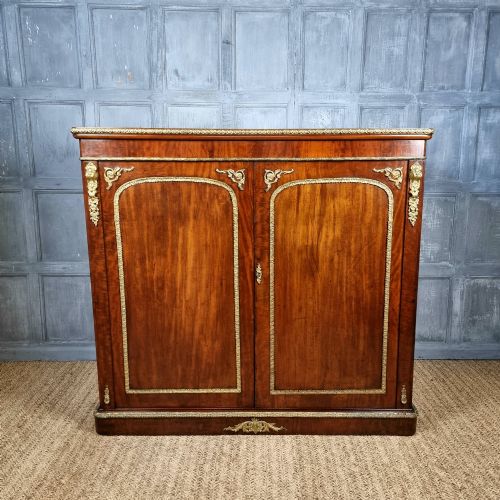
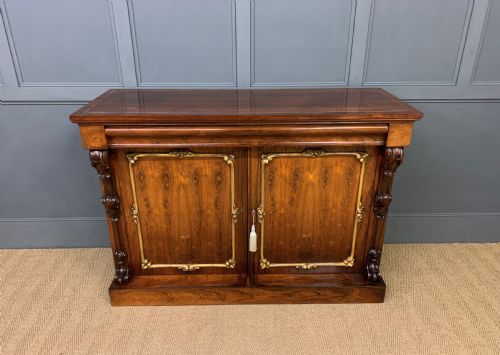
An ormolu mounted cupboard brings together rich timber and chased gilt bronze mounts for a striking display.
Ormolu Mounted Cupboard
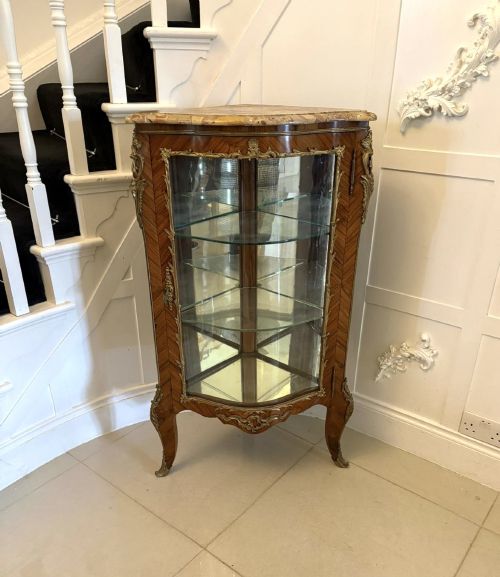
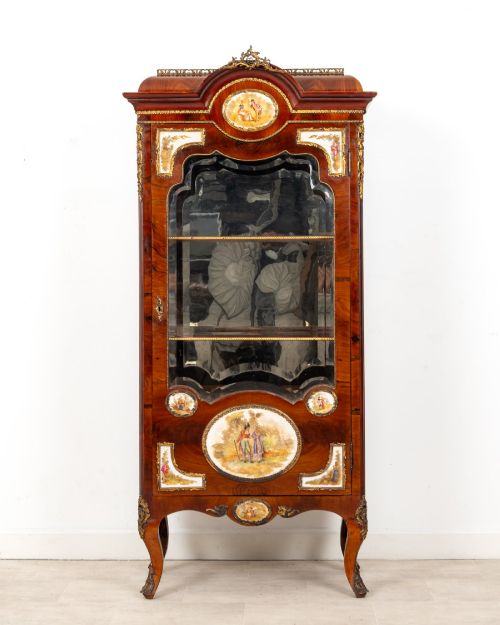
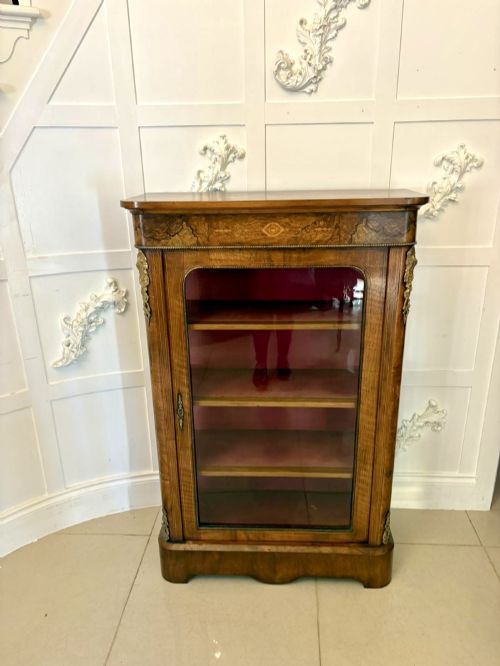
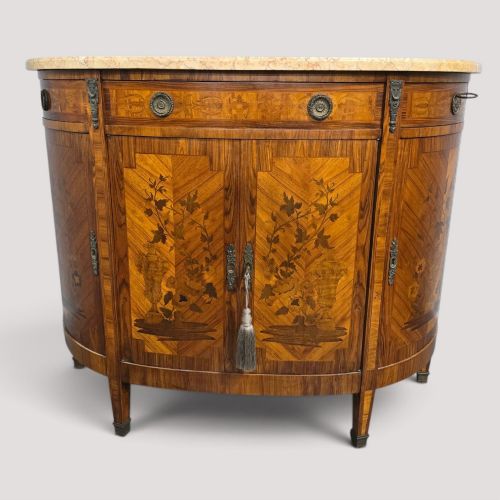
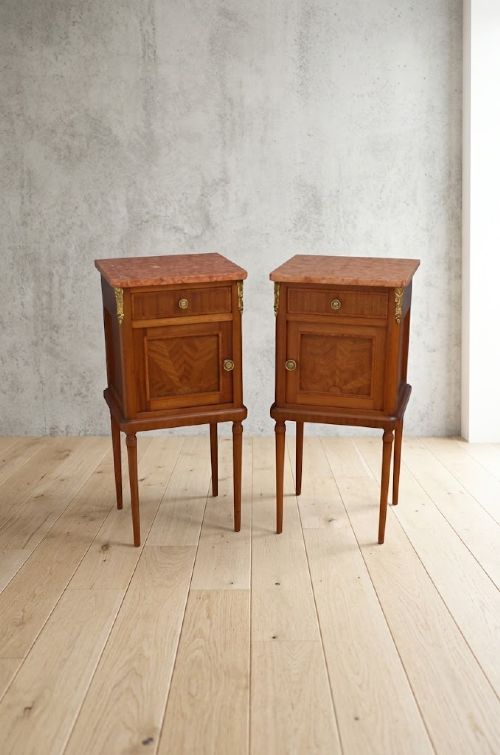
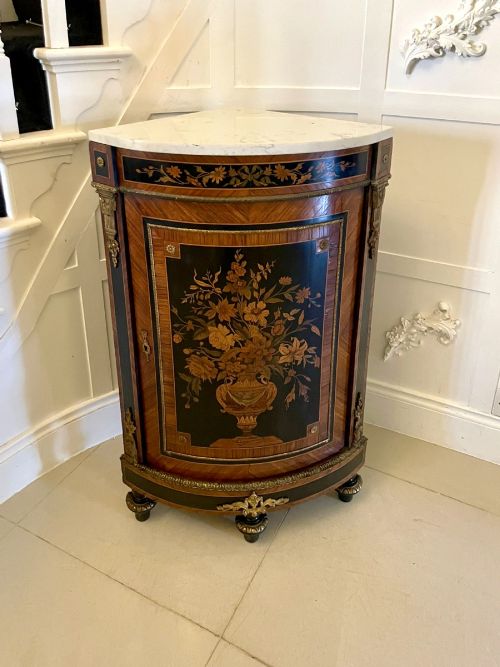
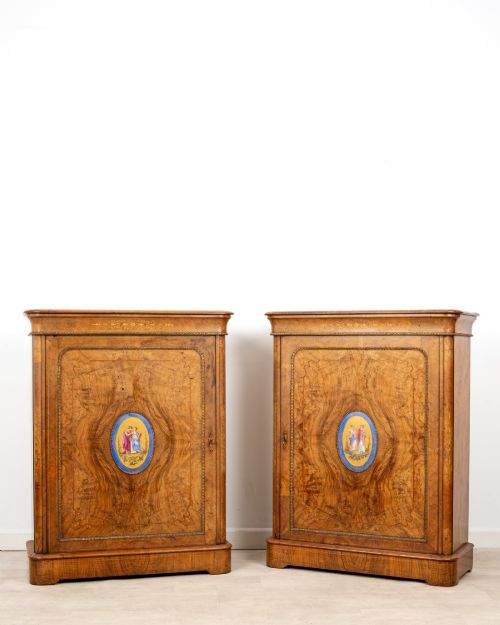
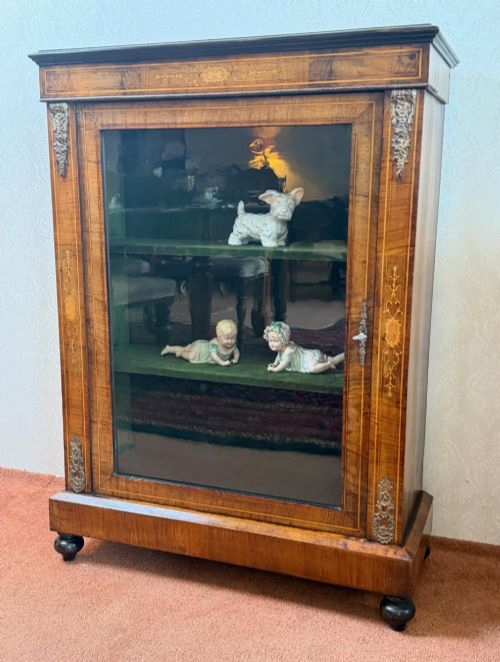
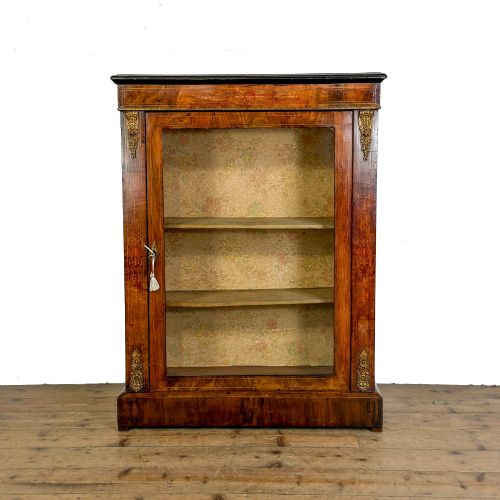
An ormolu mounted cupboard combines practical storage with decorative presence, frequently taking the form of a pier cabinet, commode, corner cabinet, or vitrine. These pieces appear across the nineteenth century and into the early decades of the twentieth century, drawing heavily on French Louis XV and Louis XVI revival styles.
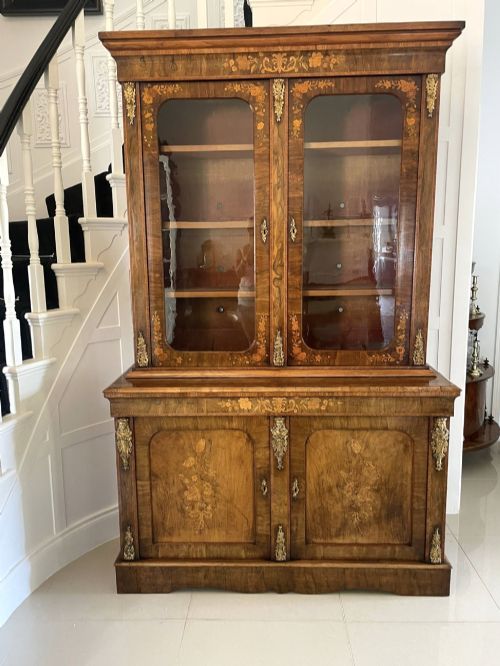
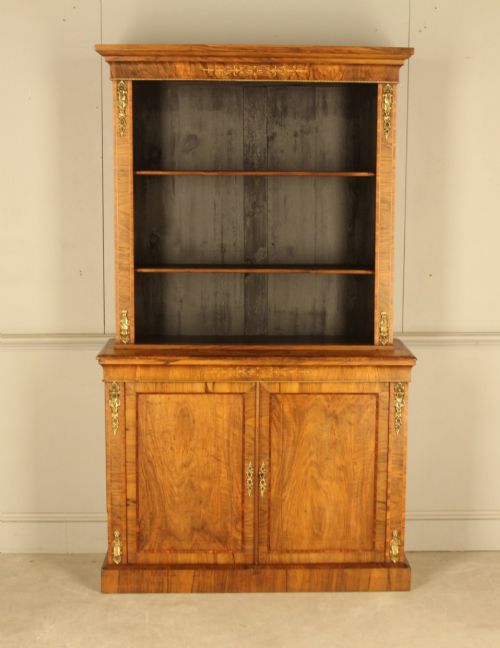
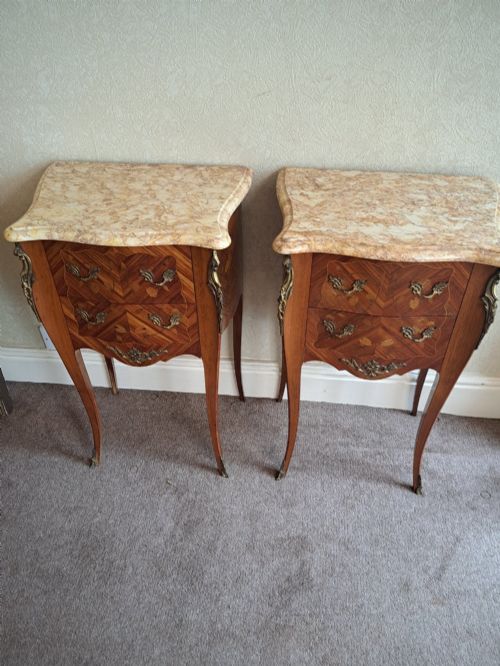
Buyers encounter walnut, burr walnut, and kingwood as primary timbers, often enhanced by marquetry inlay or porcelain plaques. Many examples incorporate marble tops and glass panels, serving as display furniture for a drawing room or formal parlour.
Materials and Construction
Cabinetmakers utilised dense hardwoods like walnut, kingwood, and mahogany as the structural base, applying intricate marquetry or veneers across the surfaces. Tops frequently received slabs of fitted marble, while doors and sides incorporated glass for display cabinets and vitrines.
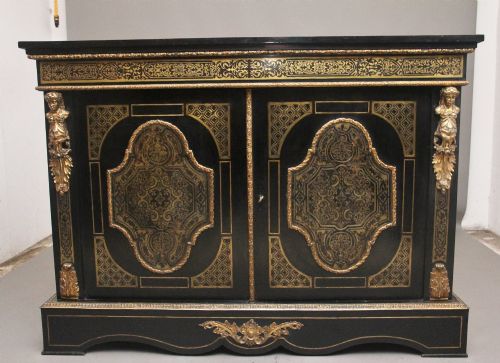
Ornamental details rely on cast ormolu and gilt bronze mounts, screwed or pinned to the corners, feet, and friezes of the cabinetry. Ebonised finishes and boulle work involving brass and tortoiseshell also appear on specific French Napoleon III and Victorian pieces.
Several pieces include hidden bedside surfaces designed so readers could set down a midnight book without disturbing the symmetry of the bedroom.
Evaluating the Pieces
Quality rests upon the crispness of the ormolu casting and the depth of its mercury gilding or finish, alongside the precision of the timber veneers and marquetry. Superior examples exhibit tightly fitted marble tops, hand-chased mounts with sharp detail, and well-balanced proportions across serpentine or bombe forms.
The choice of secondary woods and the intricacy of internal shelving and glazed doors further separate standard production from masterwork cabinetry. Pieces bearing maker attribution, such as Gillows or E. Kahn, demonstrate higher standards of workshop execution.
Gillows·E. Kahn
The Ormolu Mounted Cupboard Glossary
- Ormolu
- Gilt bronze mounts applied to furniture. The technique involves applying a finely ground gold-mercury amalgam to cast bronze before heating to drive off the mercury.
- Marquetry
- Decorative patterns formed by inserting pieces of contrasting veneer into a wooden background. This technique decorates the doors and panels of many cabinets.
- Boulle work
- A style of marquetry using brass and tortoiseshell developed in France. It appears on ebonised Napoleon III period furniture.
- Vitrine
- A glass-fronted cabinet designed for displaying porcelain, glass, or small decorative objects. These pieces often feature ormolu mounts and velvet-lined interiors.
- Bombe
- A swollen or bulging convex shape found on the sides and fronts of commodes and cabinets. This contour characterises mid-eighteenth-century French revival designs.
Ormolu Mounted Cupboard: Frequently Asked Questions
What rooms suit an ormolu mounted cupboard?
These cabinets work well in drawing rooms, living spaces, or hallways where their decorative mounts and timber veneers can catch the light. They provide surface space on top for lamps or ornaments while offering enclosed storage below.
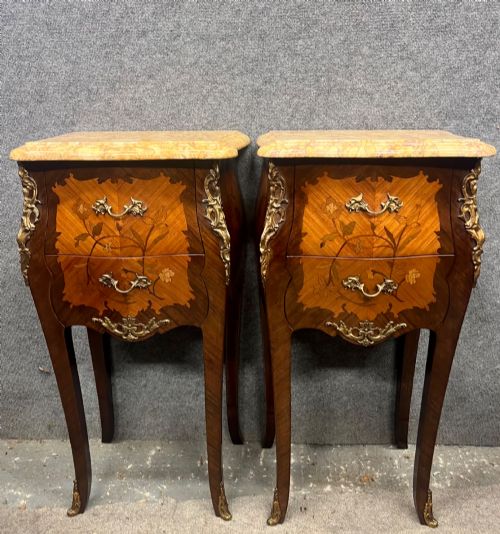
Pairs of bedside chests and lamp tables also suit bedrooms or studies, matching symmetrical interior layouts.
How do I distinguish French styles on these cabinets?
Louis XV revival pieces display asymmetrical curves, floral marquetry, and flowing ormolu mounts. Louis XVI style pieces introduce straighter lines, neoclassical symmetry, and restrained proportions.
Napoleon III cabinets often feature ebonised wood combined with brass and tortoiseshell boulle work.
Are marble tops original to these pieces?
Fitted marble tops are typical for French commodes, corner cabinets, and certain Victorian display pieces. They provide a durable, cool surface that contrasts with the warm tones of kingwood or walnut.
Slabs are generally heavy and sit directly within the moulded wooden framework of the cabinet top.
How should I care for timber and ormolu?
Maintain the timber with a traditional beeswax polish applied sparingly and buffed gently with a soft cloth. Avoid placing cabinets in direct sunlight or near heat sources to prevent veneer lifting.
Clean ormolu mounts with a dry, soft brush, avoiding chemical cleaners that can strip the metallic finish.