

Ormolu Inlaid Table
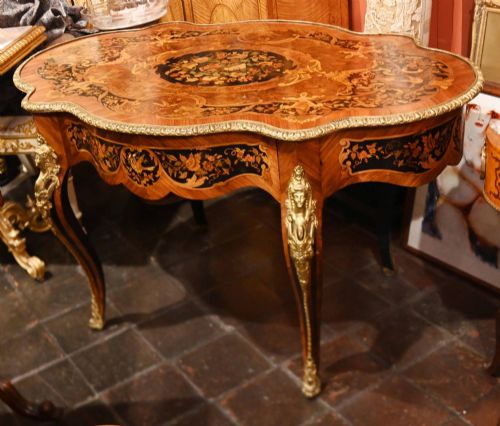
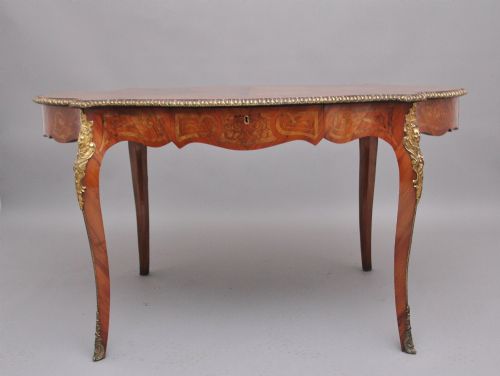
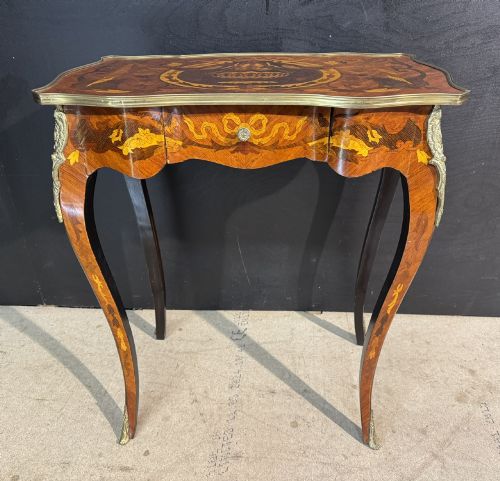
An ormolu inlaid table combines rich timber veneers with cast bronze mounts, offering a decorative surface suited to a refined interior.
Ormolu Inlaid Table
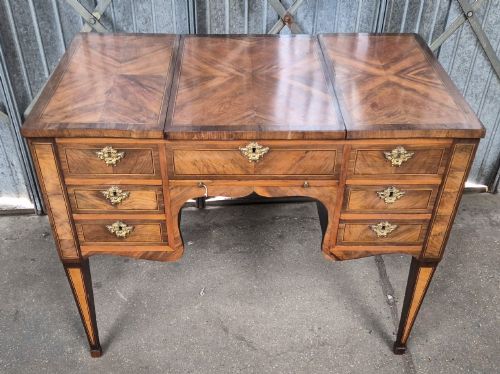
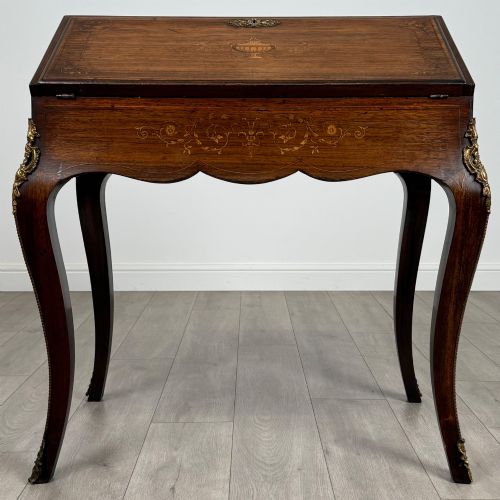
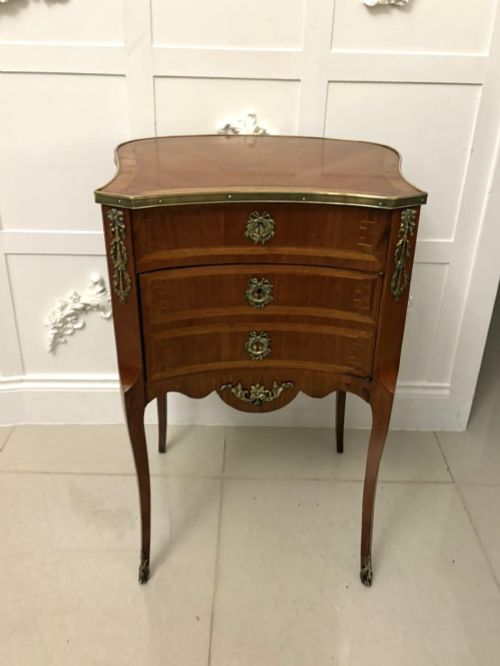
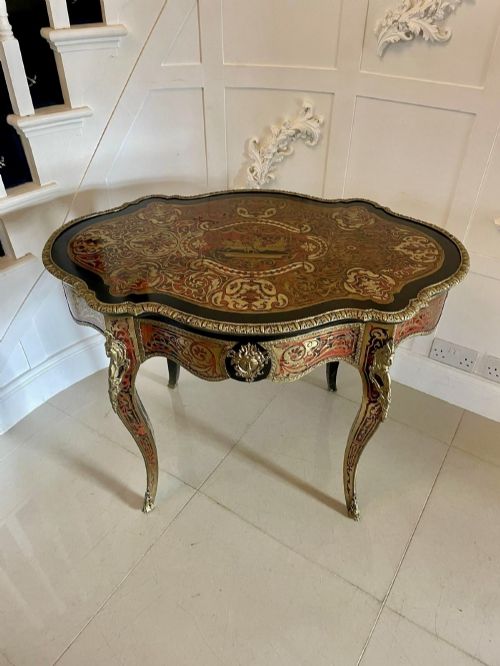
When searching for an ormolu inlaid table, buyers encounter a variety of forms designed for nineteenth and early twentieth-century drawing rooms and boudoirs. Centre tables and writing desks appear frequently alongside smaller occasional pieces, card tables, and bedside cabinets.
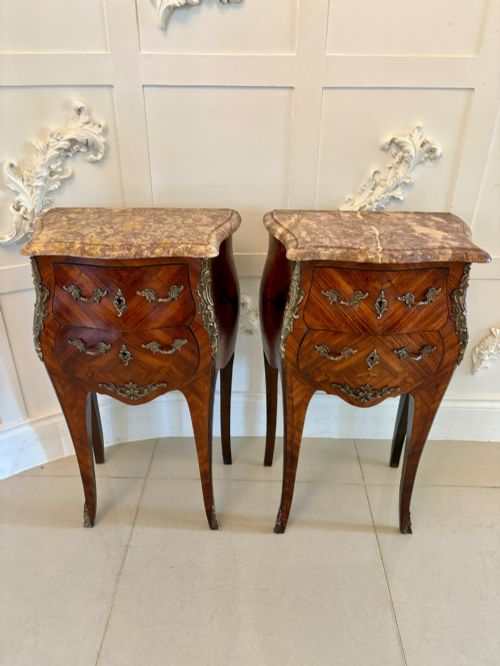
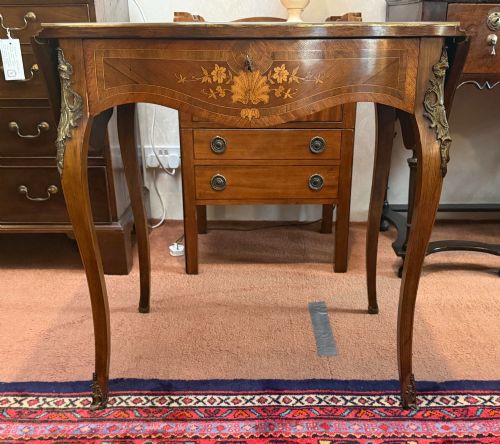
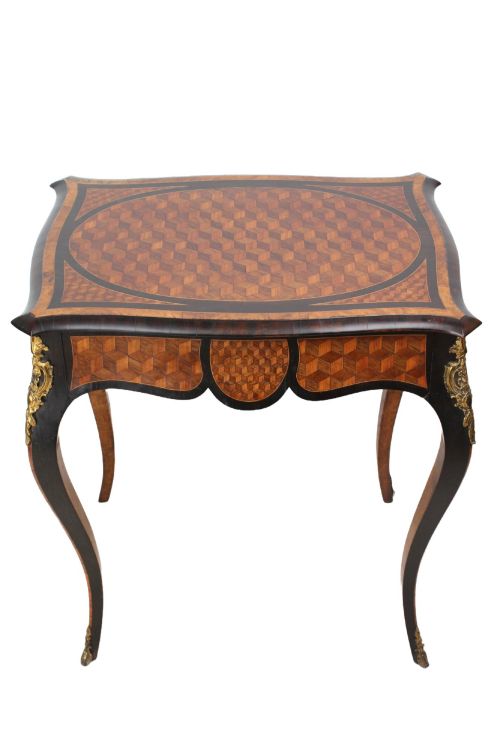
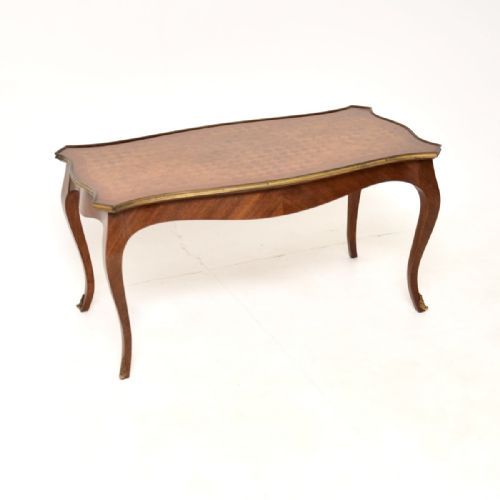
The aesthetic heavily reflects French taste, particularly Louis XV revival and Rococo styles popular during the Victorian and Napoleon III periods. These pieces often feature serpentine outlines, cabriole legs, and elaborate surface decoration combining wood marquetry with metallic mounts.
How they were made
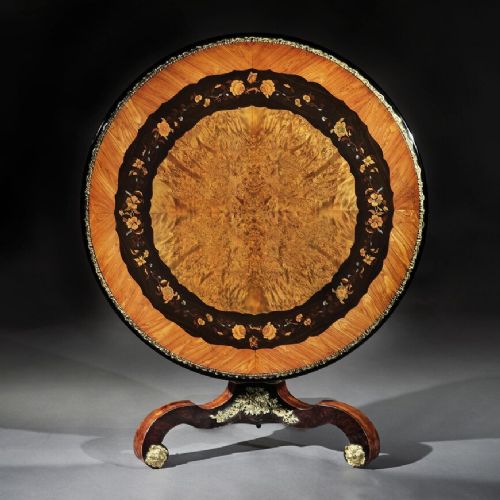
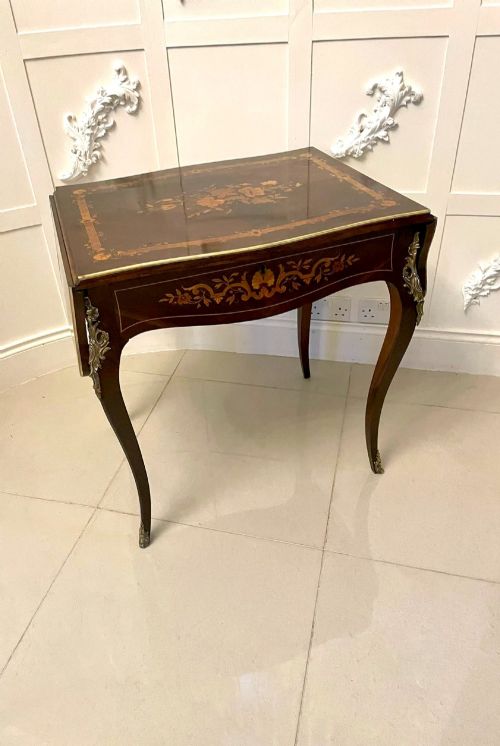
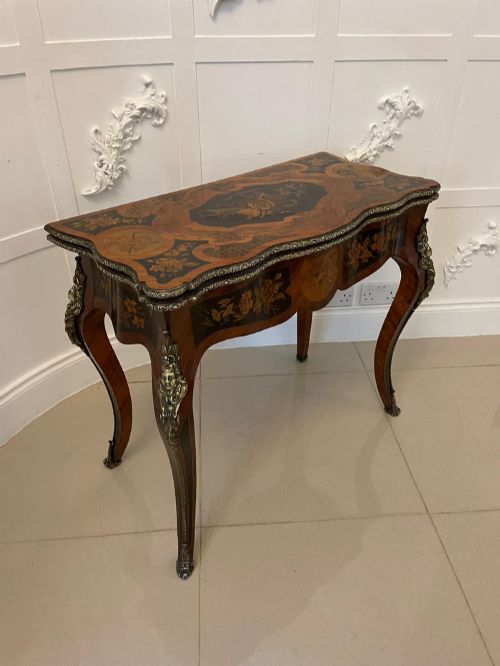
Cabinetmakers constructed the carcass from native and exotic timbers such as walnut, rosewood, kingwood, and satinwood, applying intricate parquetry and floral marquetry veneers to the top and sides. Brass and ebonised wood provided contrasting geometric details within the surface designs.
Gilt bronze ormolu mounts were cast, chased, and secured to the corners, apron, and legs to accentuate the curves of the furniture. Marble tops also feature on select surviving examples, providing a durable and polished upper surface.
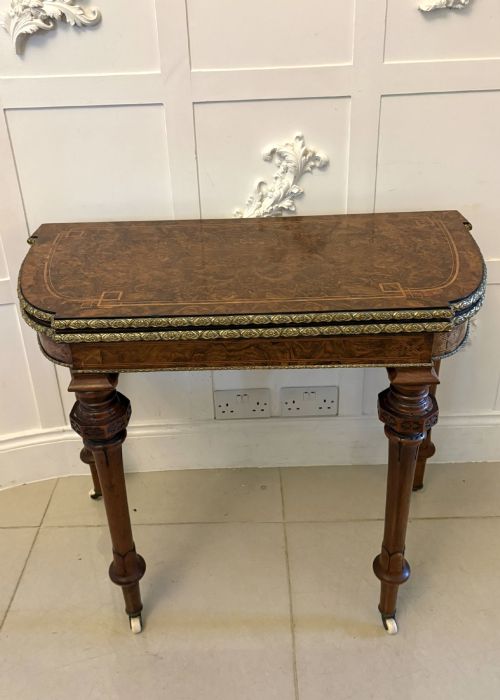
Some tables hid your secrets in clever drop-leaves and secret side drawers, ready for midnight letters or emergency card games.
What varies in quality
The distinction between standard commercial output and superior craftsmanship lies in the crispness of the bronze chasing and the complexity of the wood veneers. Finer examples display deeply articulated ormolu mounts and multi-toned marquetry depicting naturalistic floral motifs or precise geometric parquetry.
Construction methods and secondary timbers also signal grade, where workshops utilised solid hardwoods and precise dovetailing for drawers. Maker attribution further elevates standing, with signed pieces or those bearing distinct workshop traits commanding greater attention.
Edward Holmes Baldock·JAS Shoolbred·Edwards and Roberts·Sormani·Gillows
The Ormolu Inlaid Table Glossary
- Ormolu
- Gilded bronze used for decorative mounts on furniture. The technique involves applying a mercury and gold amalgam to cast bronze before heating.
- Marquetry
- The art of applying decorative pieces of veneer to a structure to form floral or pictorial designs. Different coloured woods create natural shading without paint.
- Parquetry
- Geometric wood inlay forming repeating patterns such as cubes, chequers, or lozenges. It typically covers tabletops and drawer fronts.
- Bureau Plat
- A freestanding writing desk with drawers in the frieze, popular in eighteenth-century France and revived during the nineteenth century.
- Cabriole leg
- A furniture leg that bends outward and then tapers inward, ending in a pad or scroll foot. This shape is characteristic of Louis XV revival design.
Ormolu Inlaid Table: Frequently Asked Questions
What is an ormolu inlaid table?
An ormolu inlaid table is a piece of antique furniture decorated with contrasting wood veneers and cast gilt bronze mounts. These tables emerged primarily during the nineteenth century under the influence of French revival styles.
Craftsmen combined exotic timbers like kingwood and walnut with intricate parquetry or floral marquetry. Gilt bronze mounts were then fitted to the corners and legs to highlight the curved forms.
How were these tables used originally?
These tables served various domestic functions depending on their specific form and size within the home. Centre tables occupied prominent positions in drawing rooms for display, while writing desks and bureau plats provided surfaces for correspondence.
Smaller formats functioned as bedside cabinets, lamp tables, or card tables with folding leaves for gaming. Their decorative nature meant they were intended to showcase the wealth and taste of the owner in principal reception rooms.
How do I live with an antique table?
Living with an antique table requires mindful placement away from direct sunlight and strong heat sources. Excessive temperature fluctuations can cause timber veneers to dry out and lift from the carcass.
Regular dusting with a soft, dry cloth helps maintain the polished finish of the wood and metal. Polishes containing harsh chemicals should be avoided to protect the delicate gilt bronze and aged patina.
How can I tell periods apart?
Differentiating periods relies on observing shifts in decorative style, construction materials, and manufacturing techniques. Mid-nineteenth-century pieces frequently display rich burr walnut and heavy French Rococo revival mounts.
Later Victorian and early twentieth-century examples often utilise kingwood veneers with more restrained ormolu detailing, reflecting changing tastes toward refined revivalism. Examining the secondary timbers and interior drawer construction also helps confirm the manufacturing era.