

Ormolu Furniture Mounts
Ormolu furniture mounts are cast and chased bronze elements applied to cabinetry, offering the rich decorative contrast characteristic of continental design.
Ormolu Furniture Mounts
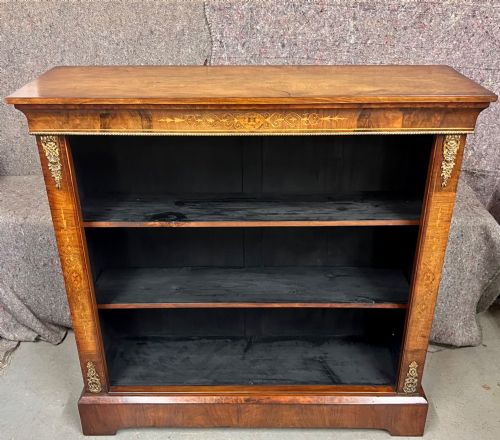
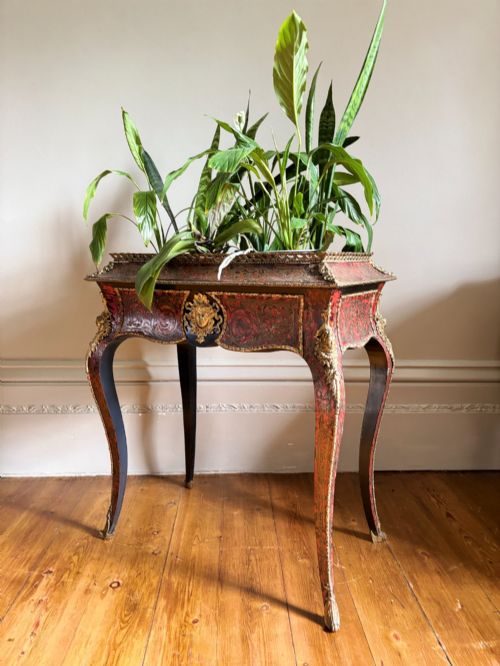
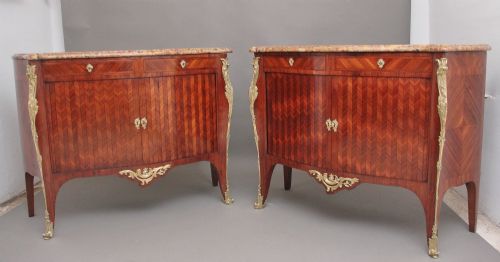
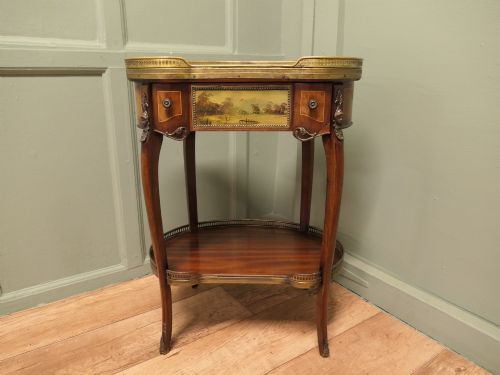
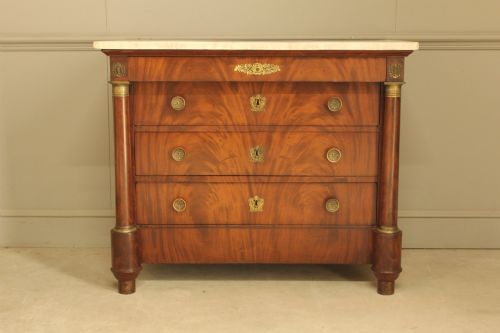
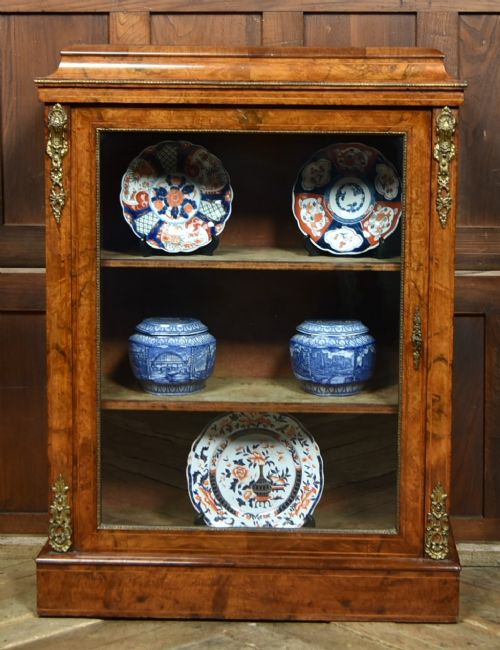
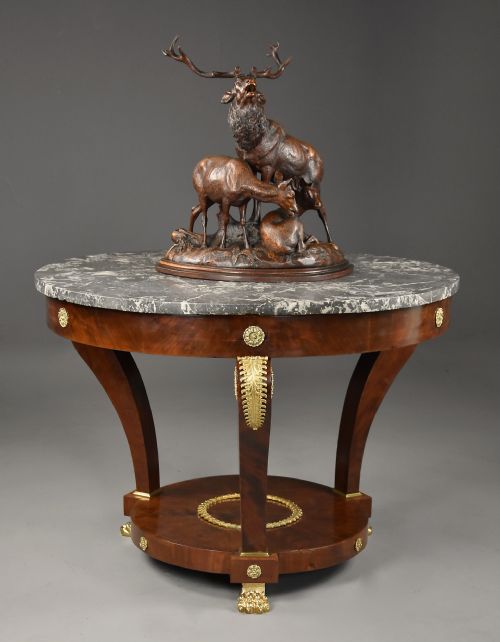
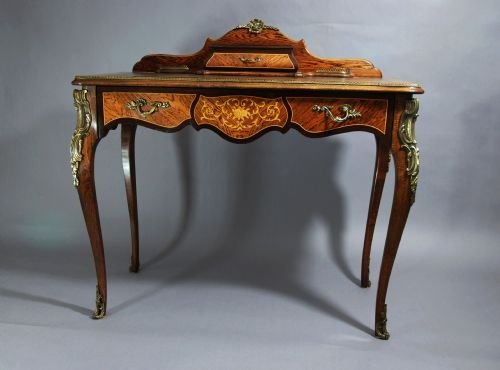
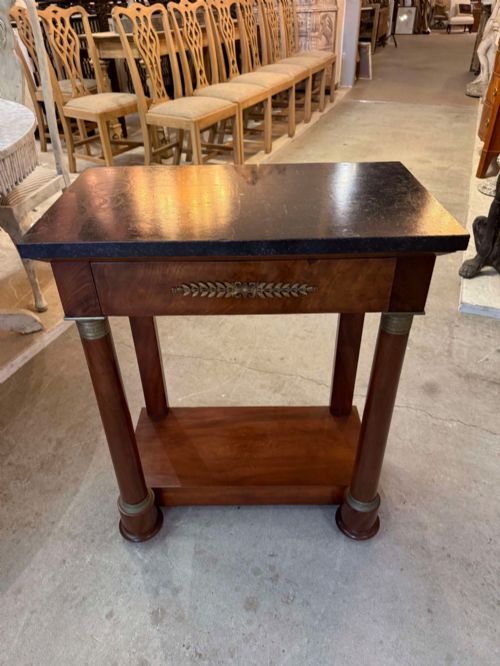
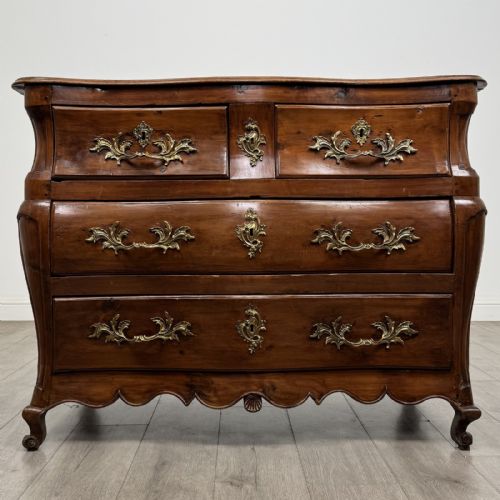
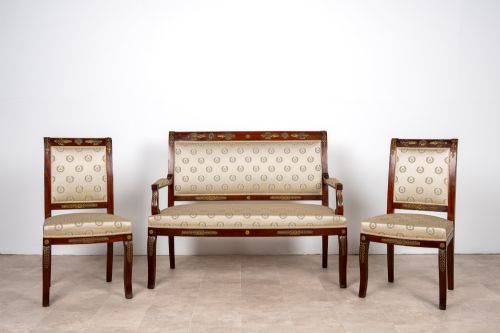
When you examine ormolu furniture mounts, you are looking at decorative hardware applied to pieces such as commodes, desks, and credenzas originating mainly from nineteenth-century France and Victorian Britain. These metal adornments highlight the structural lines of walnut, kingwood, and mahogany cabinetry.
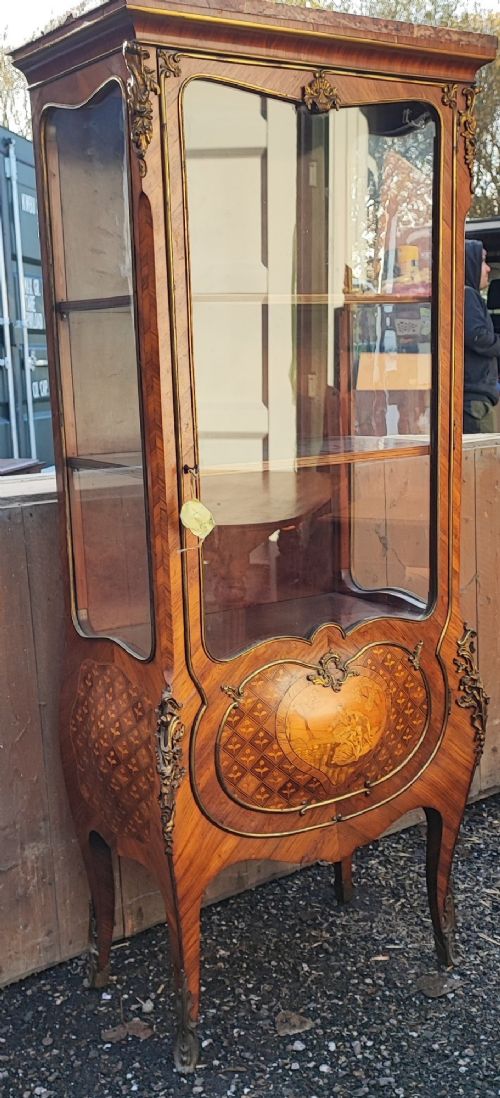
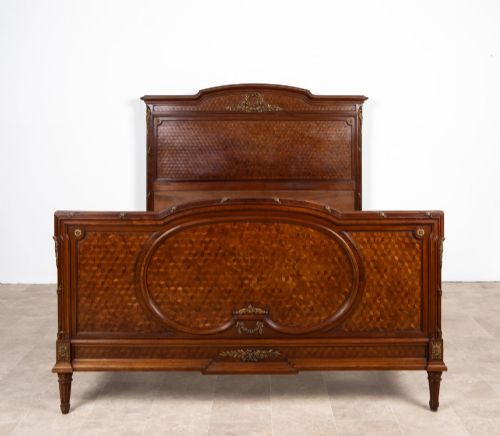
The objects on this page range from structural corner mounts and escutcheons to freestanding gilt-bronze appliques and finials. You will frequently encounter them on pieces styled in the Louis XV Revival, Louis XVI, and Napoleon III manners.
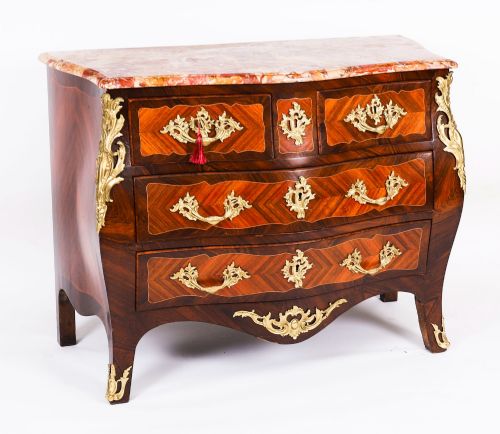
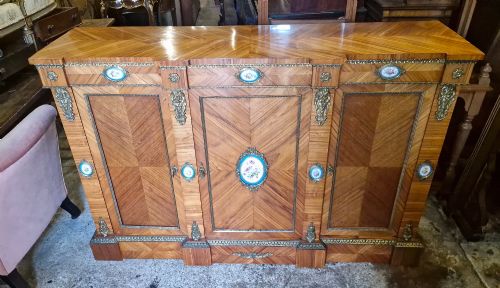
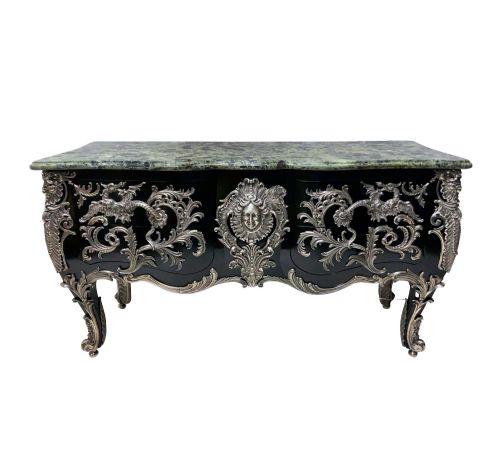
Makers utilised these gilded ornaments to accentuate serpentine fronts, frame porcelain plaques, and border marquetry panels on cabinets and writing tables. They represent the intersection of metalwork and cabinetmaking.
How they were made
The creation of ormolu mounts involved casting bronze into detailed moulds, followed by meticulous hand-chasing to sharpen the botanical or scroll motifs. Craftsmen then applied a layer of gold amalgam to the bronze surface and heated it to vaporise the mercury, leaving a durable finish.
Makers fixed these gilded mounts to timber carcasses using threaded pins or screws threaded directly into the bronze elements from behind. This method secured the metal to woods like kingwood, rosewood, and walnut without marring the visible surface.
Ormolu Furniture Mounts Retail Price Guide 2026
Typical asking prices for ormolu furniture mounts among the pieces listed under this phrase on Sellingantiques today, from the lower quarter to the upper quarter. They describe what is for sale here now, not the wider market.
Listings feature pieces spanning the eighteenth to the early twentieth century, utilising mahogany, walnut, kingwood, and marble.
What varies in quality
The distinction between ordinary and exceptional mounts lies in the crispness of the hand-chasing after casting, where superior examples retain sharp leaf edges and deep undercut details. Lesser pieces display softened contours and flattened surfaces resulting from worn moulds or hasty finishing.
Integration with the timber carcass also separates grades of work, as finer mounts follow the exact serpentine or bombe contours of the wood without gaps. The depth and warmth of the mercurial gilding further distinguish master workshops from routine production.
François Linke·Gillows·Johnstone And Jeanes·Maison Millet
The Ormolu Furniture Mounts Glossary
- Ormolu
- Gilt bronze produced by applying a mercury-gold amalgam to a cast bronze base and heating it. This technique creates a durable, warm metallic surface found on fine nineteenth-century cabinetry.
- Chasing
- The process of refining a cast metal surface using small punches and hammers to add texture and detail. Fine chasing distinguishes high-grade mounts from mass-produced castings.
- Marquetry
- The art of applying decorative veneer pieces in various woods to form geometric or floral patterns. It frequently serves as a backdrop for ormolu mounts on commodes and desks.
- Vernis Martin
- A type of translucent, multi-layered varnish used on furniture to imitate Japanese lacquer. It often appears alongside gilt-bronze mounts on vitrines and corner cabinets.
- Commode
- A low chest of drawers, often featuring a serpentine front and a marble top. These pieces commonly carry substantial ormolu mounts on their corners and apron.
Ormolu Furniture Mounts: Frequently Asked Questions
Are these mounts removable?
Most mounts are secured with threaded fasteners accessible from the interior of the cabinet or drawer. Removing them requires caution to avoid damaging the surrounding timber veneer.
Leaving original mounts undisturbed is standard practice to preserve the structural integrity of the piece. Historic fixing screws should match the period of the cabinet.
How can I date these mounts?
Dating relies on the casting quality, tool marks on the reverse, and the style of the surrounding timber furniture. Nineteenth-century revival pieces often copy eighteenth-century models with subtle differences in technique.
Examine the fixing screws and the wear patterns on the gilding to establish age. Machine-threaded screws generally indicate later Victorian or twentieth-century production.
What woods suit these mounts?
Exotic hardwoods such as kingwood, tulipwood, walnut, and mahogany provide the ideal dark or figured contrast for bright ormolu mounts. These dense timbers hold the weight of heavy bronze elements securely.
Boullework incorporating brass and tortoiseshell also serves as a ground for gilt-bronze mounts. The combination highlights the decorative ambitions of nineteenth-century revival interiors.