


Ormolu and Wood Table
These pieces combine polished timber and cast metal mounts to create an ormolu and wood table, offering practical surfaces and decorative presence for the home.
Ormolu and Wood Table
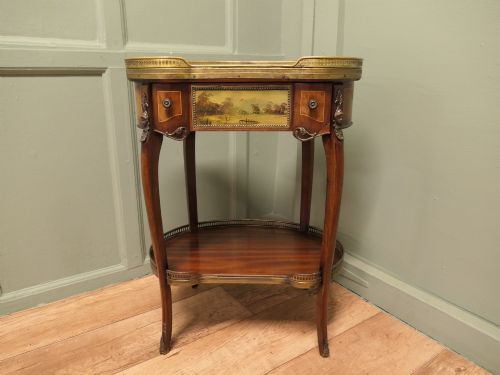
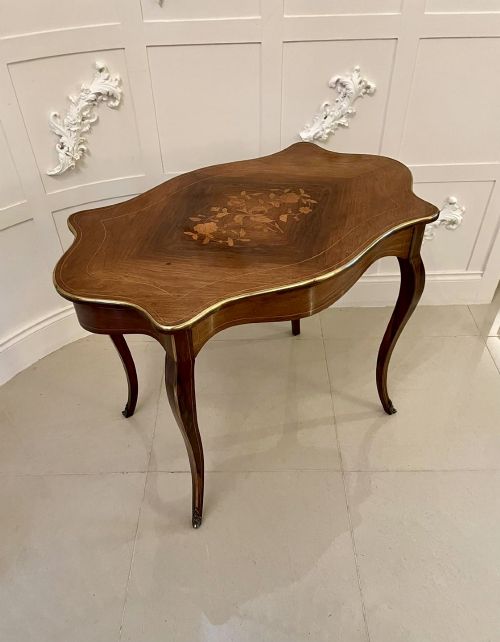
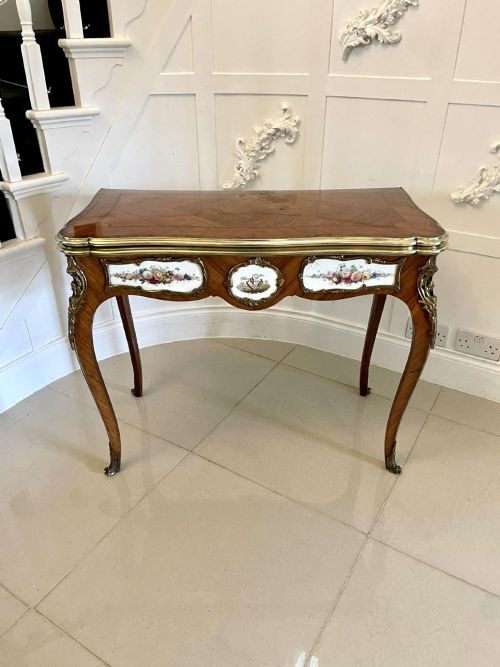
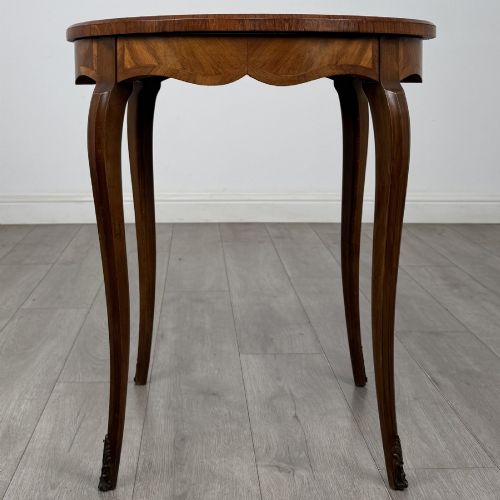
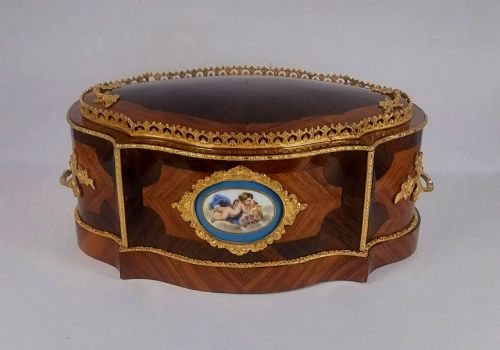
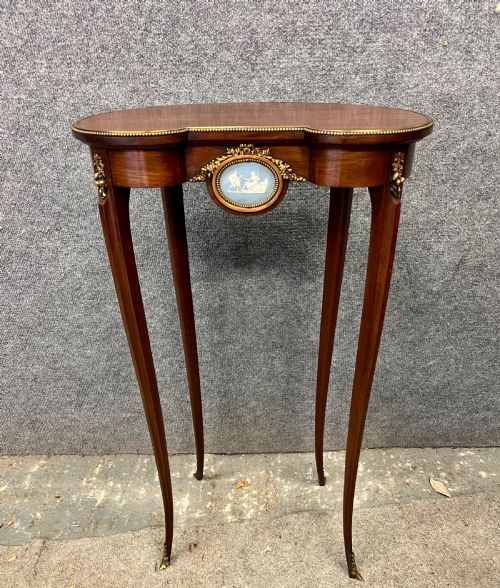
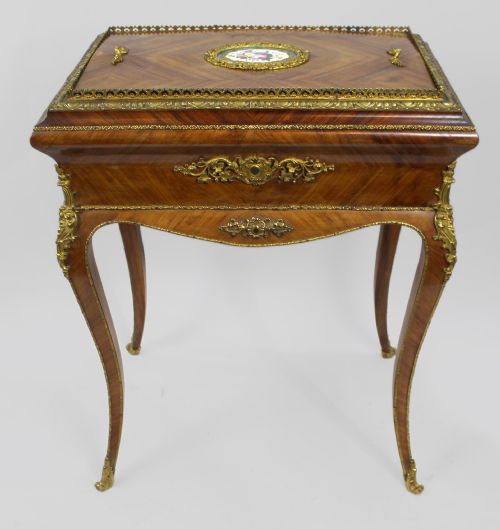
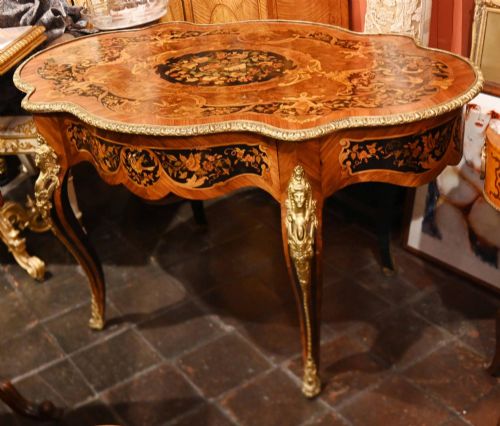
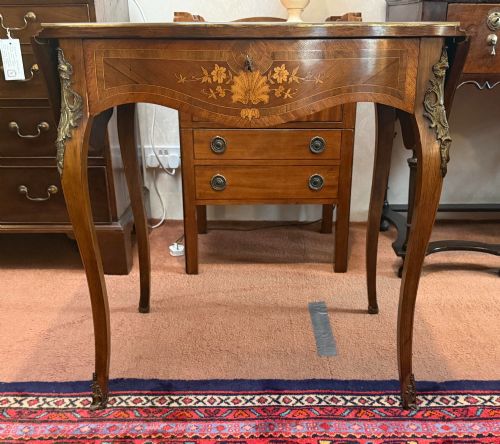
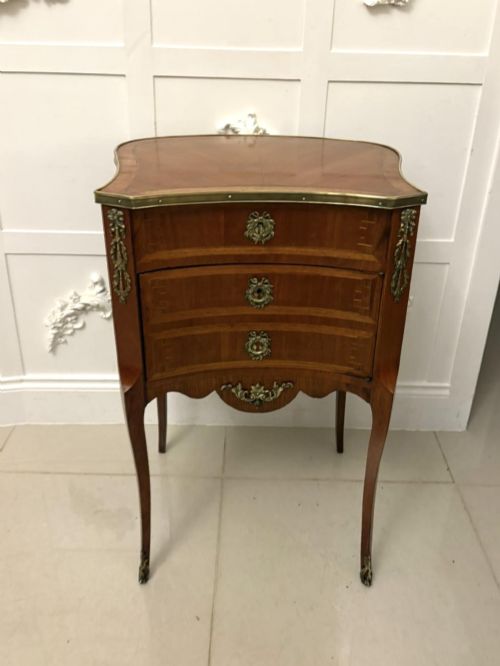
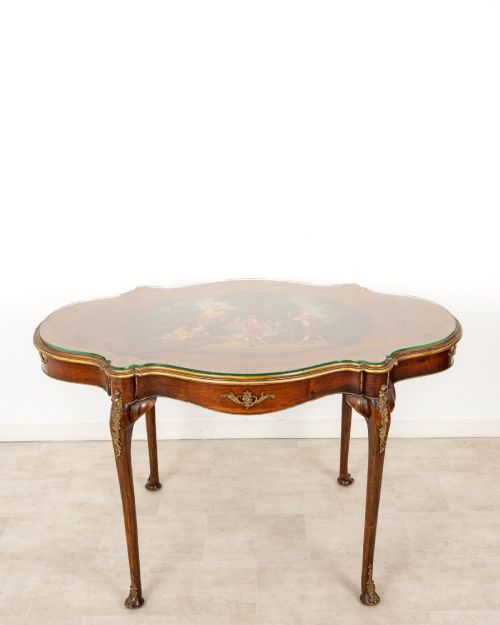
An ormolu and wood table appears in various functional forms across this collection, ranging from side tables, occasional tables and bedside tables to larger centre tables, desks, coffee tables, console tables and card tables. Most examples originate from the nineteenth century, including specific dates such as eighteen-sixty, eighteen-eighty, eighteen-ninety and nineteen-ten, alongside Edwardian periods.
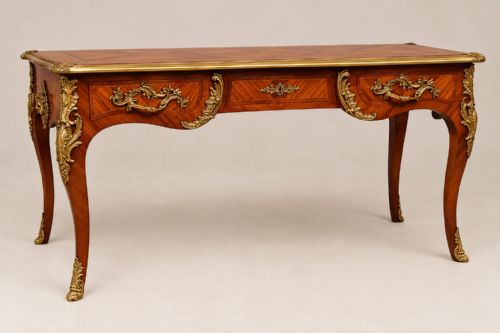
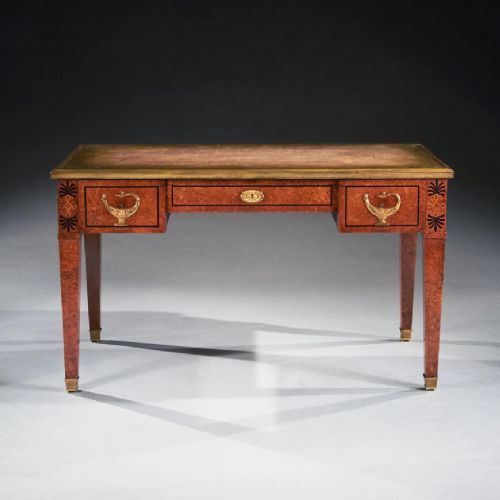
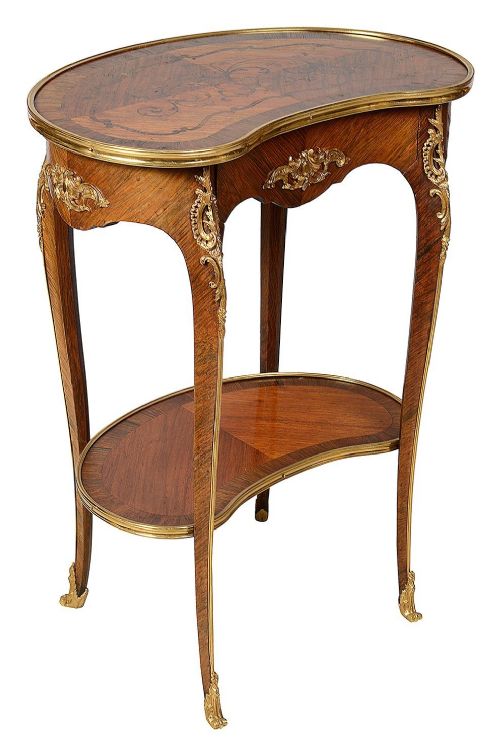
The aesthetic leans heavily toward French design vocabularies, notably Louis XV revival, French Empire, French Rococo revival and French neoclassical styles. Pieces frequently incorporate intricate marquetry, parquetry or delicate inlay work upon the timber surfaces.
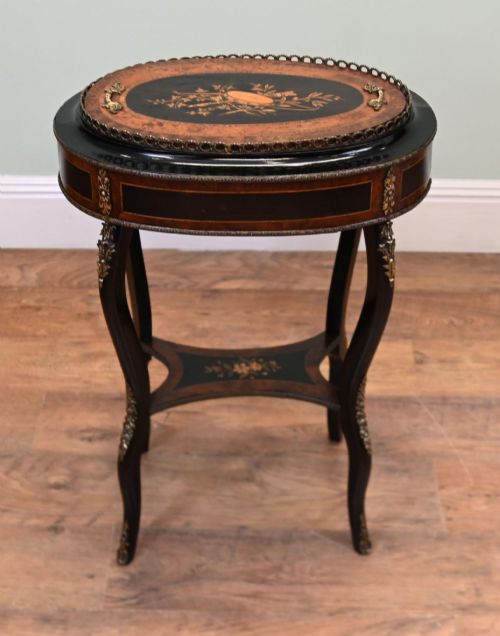
Alongside standard tables, the selection includes specialised furniture types such as planter side tables, jardinières, writing desks, bureau plat designs and étagères. These items reflect the domestic requirements of nineteenth-century drawing rooms and boudoirs.
Materials and Construction
Cabinet makers utilised a palette of fine hardwoods for the carcases and tops, predominantly kingwood, rosewood, mahogany, walnut, amboyna, satinwood and ebonised timber. These woods often feature cross-banding or geometric parquetry patterns that highlight the natural grain.
Gilt bronze and ormolu mounts provide structural accent and decorative detailing, applied to corners, legs, aprons and drawer edges. Additional decorative elements include porcelain plaques and marble tops.
Ormolu and Wood Table Retail Price Guide 2026
Typical asking prices for ormolu and wood table among the pieces listed under this phrase on Sellingantiques today, from the lower quarter to the upper quarter. They describe what is for sale here now, not the wider market.
Some nineteenth-century tables cleverly doubled as plant holders, allowing Victorian ferns to sit comfortably inside fine marquetry frames.
Defining Quality
The standard of craftsmanship depends largely upon the crispness of the cast bronze mounts and the precision of the timber inlay. Superior examples display sharply chased ormolu details that integrate seamlessly with the contours of the wooden structure.
Marquetry work distinguishes finer pieces through the careful selection of contrasting veneers and the accuracy of the botanical or geometric motifs. The structural integrity of the joints and the retention of original mounting hardware further separate standard production from exceptional cabinet work.
G T Morant·Edwards & Roberts·Schneckenburger
The Ormolu and Wood Table Glossary
- Ormolu
- Gilt bronze ornamentation applied to furniture mounts, clocks and decorative objects. This technique involves coating a cast bronze base with a gold amalgam.
- Marquetry
- Decorative veneer work arranged in pictorial or floral patterns across a wooden surface. Craftsmen cut different coloured woods to fit precisely within a design layout.
- Parquetry
- Geometric wood inlay forming repetitive patterns such as cubes or chequers on table tops. This technique demonstrates the precision of the joiner.
- Jardinière
- A decorative stand or table designed to hold plants or floral arrangements. These often feature metal liners to protect the surrounding timber.
- Bureau Plat
- A freestanding writing desk with a flat top, usually fitted with drawers along the frieze. These tables often stand on cabriole legs with extensive metal mounts.
Ormolu and Wood Table: Frequently Asked Questions
What rooms suit an ormolu and wood table?
These tables fit well within formal sitting rooms, libraries or hallways where their decorative mounts catch the light. Smaller occasional and bedside variants integrate easily into residential bedrooms as functional display surfaces.
Larger centre tables anchor open spaces, while writing desks and card tables serve specific study or living room functions without dominating the room.
How do I care for timber and ormolu?
Maintain the timber surfaces by dusting gently with a soft cloth and applying appropriate wax polish sparingly. Avoid placing these pieces near direct heat sources or strong sunlight to prevent veneer drying.
Clean ormolu mounts with dry brushes only, avoiding harsh chemical metal cleaners that can strip the original gilding from the bronze base.
How do I identify French revival styles?
French revival pieces incorporate curved cabriole legs, asymmetrical floral marquetry and elaborate scrolling ormolu mounts typical of Louis XV design. Empire style pieces tend to display straighter, more formal architectural lines with classical bronze motifs.
Examining the underlying secondary woods and construction methods helps confirm the nineteenth-century revival period rather than earlier eighteenth-century production.
Where were these tables originally used?
Nineteenth-century households placed these tables in drawing rooms, boudoirs and reception rooms to display porcelain, hold reading material or facilitate correspondence. Card tables remained folded against walls until needed for evening entertainment.
Planter tables and jardinières brought indoor greenery into domestic parlours, protected by metal inserts within the wooden frames.