
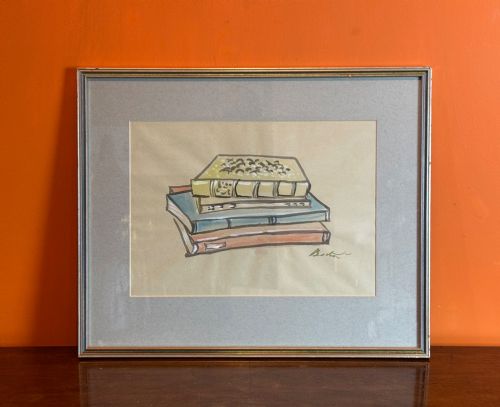


Original Watercolour Still Life
An original watercolour still life captures a quiet domestic scene, offering detailed floral and object studies from the nineteenth and twentieth centuries.
Original Watercolour Still Life
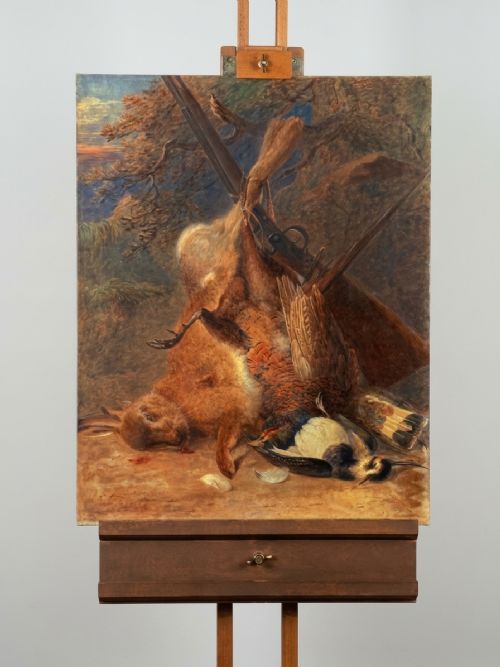
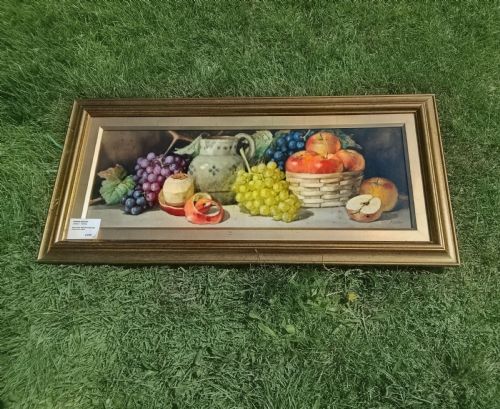
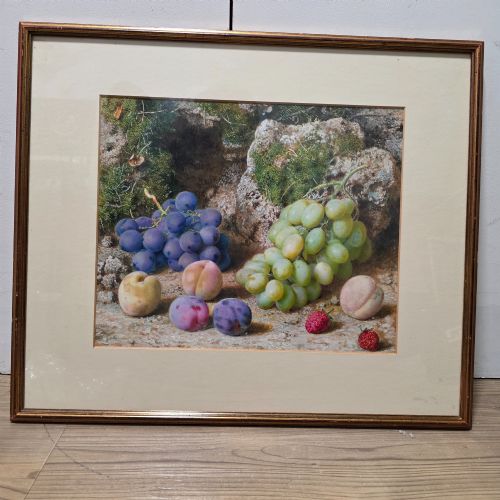
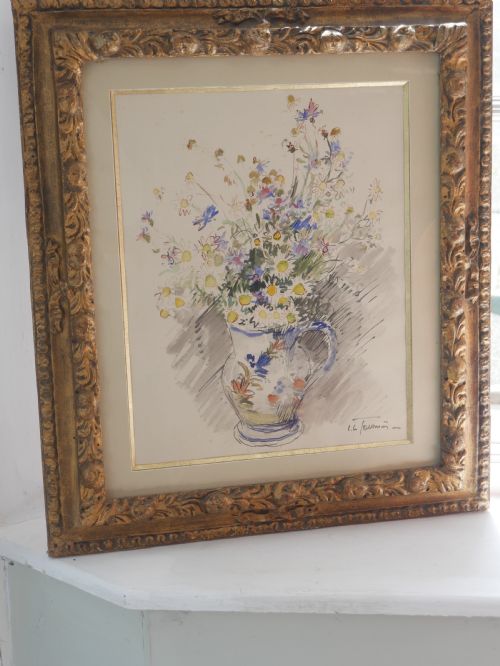
An original watercolour still life presents painted studies of flowers, books, and household vessels created across the nineteenth and twentieth centuries. These works range from Victorian botanical watercolours to mid-century modern compositions and impressionist sketches.
The most common examples on this page are early twentieth-century flower studies featuring blooms like roses, delphiniums, and anemones arranged in jugs, vases, and bowls. Artists document these tabletop scenes with meticulous brushwork or looser, expressive applications of pigment.
Framed artwork dominates the offerings, often set within traditional wood frames, gilded wood, or fitted with protective glass. Pieces stretch from tightly rendered Victorian watercolours bearing school stamps to mid-century gouache and ink interpretations.
Materials and Techniques
Artists apply water-soluble pigments and gouache to paper supports, frequently building depth through layered washes and fine ink details. The interaction between pigment and paper creates transparent colour fields and delicate tonal shifts unique to the medium.
Finished works are typically housed in period enclosures, utilising wood frames, gilded wood moulding, and glass panes to protect the delicate paper surface from environmental damage.
Original Watercolour Still Life Retail Price Guide 2026
Typical asking prices for original watercolour still life among the pieces listed under this phrase on Sellingantiques today, from the lower quarter to the upper quarter. They describe what is for sale here now, not the wider market.
Listings feature works created across the nineteenth and twentieth centuries, utilising paper, watercolour, gouache, ink, glass, and wood frames.
Markers of Quality
Quality rests in the precision of the draughtsmanship and the artist's command of light across glass vessels, petals, and leaves. Stronger pieces display confident brush handling and a deliberate balance of colour within the composition, avoiding flat or muddy passages.
The preservation of the paper surface and the integrity of the original frame also influence the standing of a piece. Works retaining their authentic mountings and clear signatures offer a more complete historical record.
Cecil Beaton·Rowland Henry Hill·Phyllis I Hibbert·E M Davies·Barbara Dorf·Olive Higginbottom·John Sherrin
The Original Watercolour Still Life Glossary
- Watercolour
- A painting method where paint is made of pigments suspended in a water-based solution. It relies on the white of the paper to provide luminosity through transparent washes.
- Gouache
- An opaque water-based paint that includes a white pigment filler, creating a heavier, denser finish than traditional transparent watercolour.
- Giltwood
- Wood that has been coated with a thin layer of gold leaf or gold paint. It frequently appears on traditional frames surrounding period paintings.
- Impressionist
- A style of painting emphasising immediate visual impressions and loose brushstrokes rather than meticulous botanical precision.
- Botanical
- A genre of art focused on the accurate depiction of the form, colour, and details of plant species.
Original Watercolour Still Life: Frequently Asked Questions
What periods do these still lifes cover?
The selections span from the mid-nineteenth century through the Victorian era and into the mid-twentieth century. Artists recorded domestic subjects across these decades using traditional and modern techniques.
Earlier pieces often reflect strict botanical observation, while later examples embrace impressionist and mid-century modern stylistic shifts.
How should I frame and display them?
These works require preservation behind glass to protect the paper and pigments from dust, moisture, and ultraviolet light. Keeping them away from direct sunlight prevents fading of the delicate watercolours.
Matching the painting to an appropriate wood frame or gilded surround helps maintain the historical context of the piece.
What subjects appear most frequently?
Floral arrangements dominate the imagery, featuring roses, anemones, delphiniums, and spring blossoms placed inside jugs, vases, and bowls. Occasional compositions incorporate books and interior window views.
These tabletop vignettes reflect domestic quietude and careful observation of everyday objects.
How do I identify different artistic styles?
Victorian and early twentieth-century works typically emphasise precise detail and naturalistic colour representation. Mid-century pieces often introduce looser brushwork, flattened perspectives, and vibrant gouache applications.
Signatures, dates, and framing materials also offer clues to the specific era of creation.