
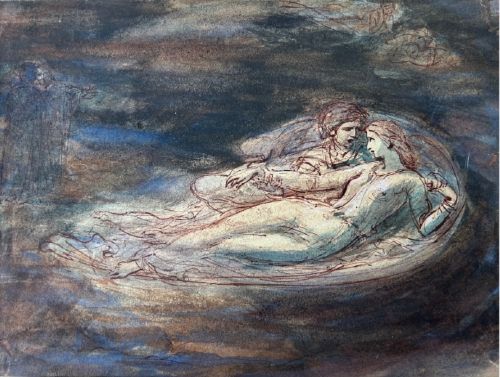
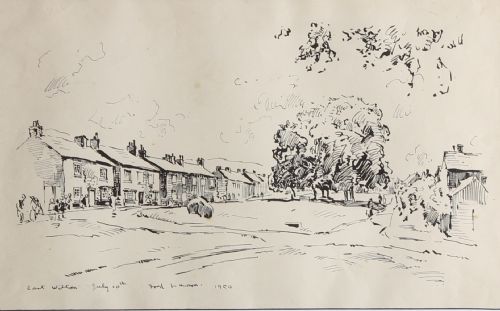
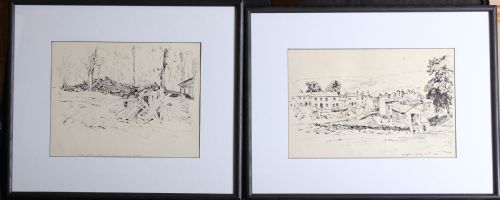
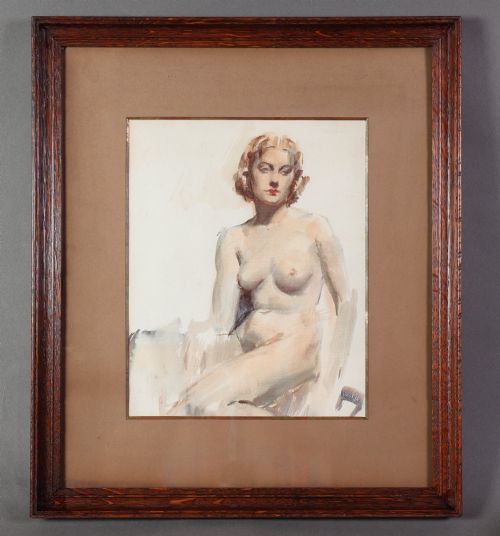

Original Watercolour Sketch
These original watercolour sketch pieces capture immediate artistic intent on paper, offering buyers intimate windows into historical and modernist hands alike.
Original Watercolour Sketch
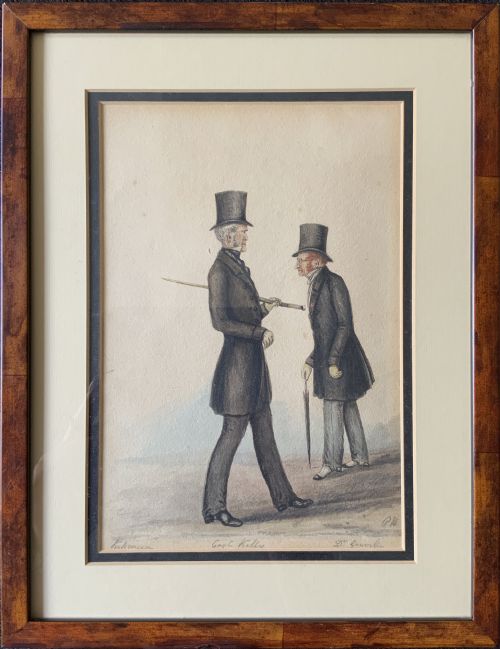
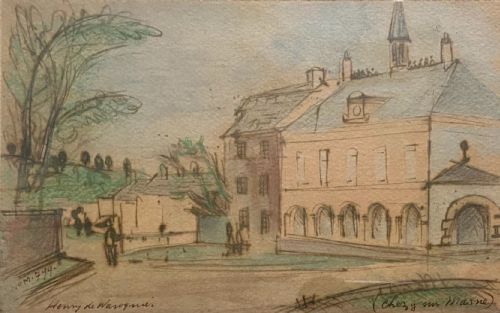
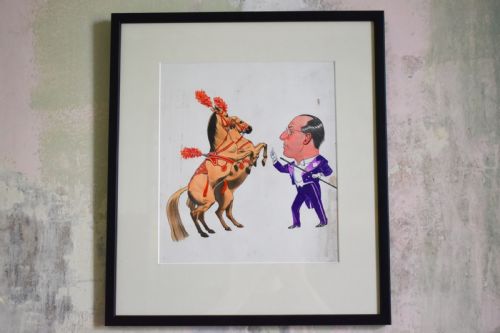
An original watercolour sketch presents rapid artistic execution, capturing landscapes, marine views, portraits, and architectural studies directly from the artist's hand. These pieces range from Georgian and Victorian historical studies to 20th-century British and modern continental works on paper.
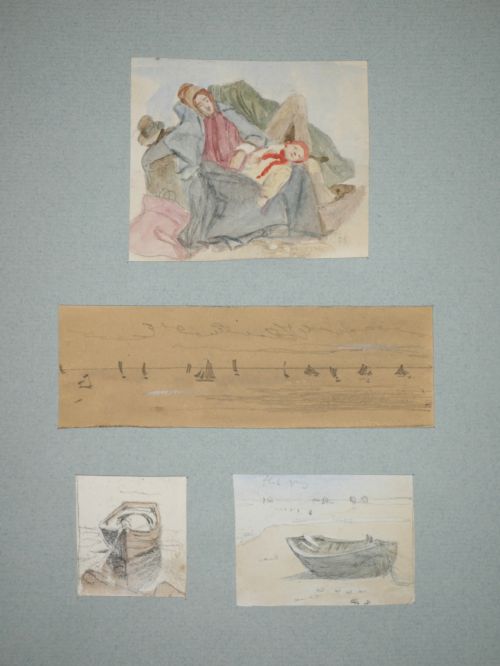
Buyers encounter framed artworks, paintings, and drawings spanning the eighteenth, nineteenth, and twentieth centuries. The selection frequently includes topographical landscapes, coastal scenes, and preparatory sketches drawn from artists' sketchbooks.
Originating from diverse hands, these works encompass named British and European painters alongside anonymous regional schools. The common thread uniting them is the reliance on pigment and water applied swiftly to paper surfaces.
How they were made
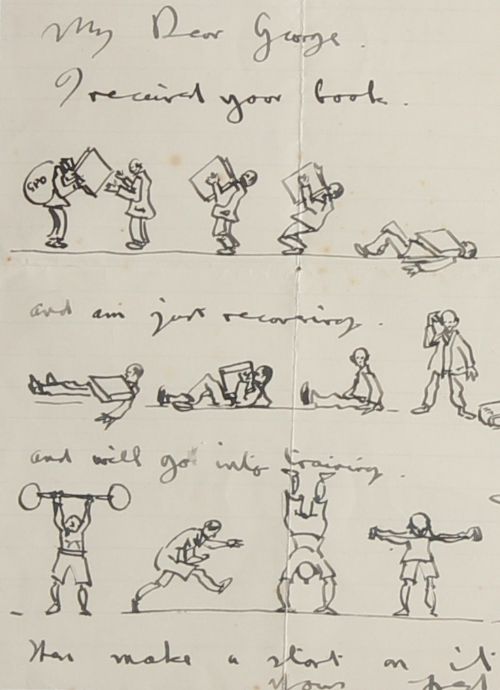
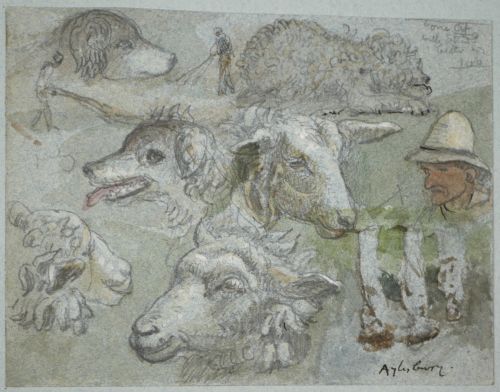
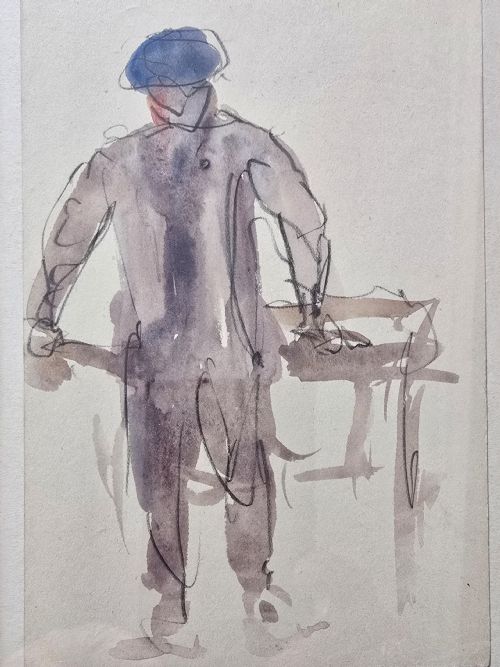
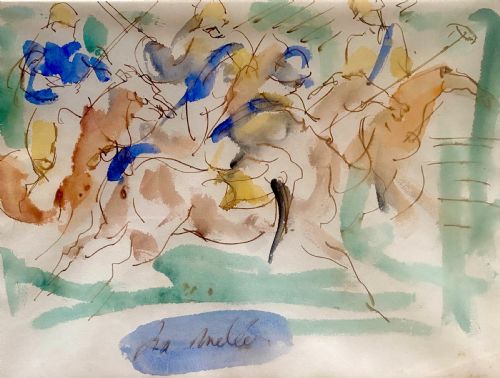
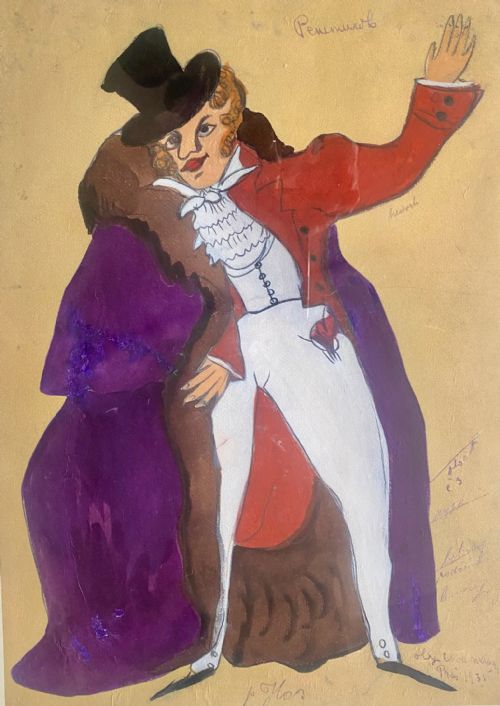
Artists built these works on paper using water-soluble pigments, often supported by initial pencil or graphite underdrawing and ink outlines. Pen and ink work frequently defines the structure before transparent washes or opaque gouache are applied.
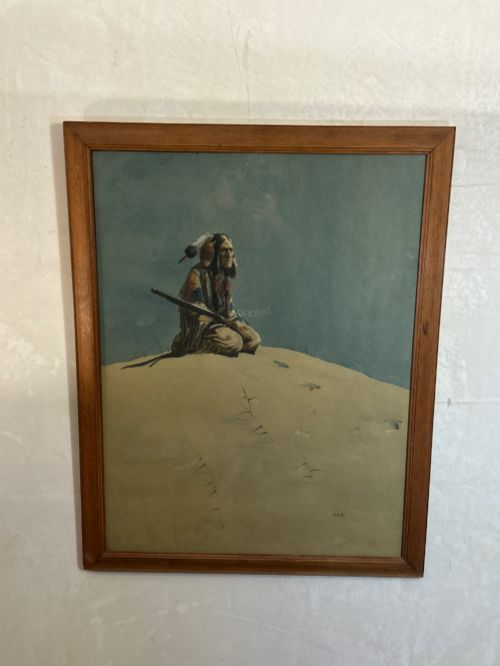
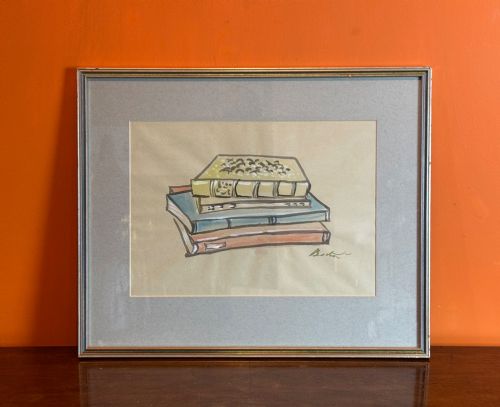
Framed behind glass within period wood frames, such as oak or maple, these fragile works rely on paper substrates that preserve the fluid application of pigment. The combination of ink, pencil, and watercolour allows for immediate tonal gradation and fine linear detail.
Listings feature works spanning from the eighteenth century through the mid-twentieth century, utilising paper, ink, and watercolour.
What varies in quality
Quality rests upon the sureness of the draftsmanship and the expressive vitality captured in the initial brushstrokes. Confident handling of ink and wash distinguishes masterly composition from rigid or hesitant exercises.
The preservation of the paper support and the vibrancy of the pigments dictate the overall visual success of the piece. Superior examples maintain crisp lines and harmonious tonal contrasts without excessive fading or discoloration.
James Smetham·John Hassall·Fred Lawson·Henry de Waroquier·Cecil Beaton·Michael Healy·Gen Paul·Olga Choumansky·George F Pennington·William Frederick Settle·Edward Dayes·Raoul Millais·William Edward Frost·Arthur Todd·Thomas Rowlandson·Hercules Brabazon Brabazon·Johan Noah Bemmel·Maurice Asselin·Tom Dudley·Kees van Dongen·Dame Laura Knight
The Original Watercolour Sketch Glossary
- Gouache
- An opaque watercolour paint mixed with a binding agent, creating heavier, solid colour applications on paper. This medium allows for highlights and bold flat areas that contrast with transparent washes.
- Grisaille
- A painting executed entirely in shades of grey or neutral monochrome, frequently utilised for preparatory studies or sculptural renderings. This technique emphasises form and shadow over colour variation.
- Provenance
- The documented history of ownership of an artwork, establishing its authenticity and previous collections. Records may link a sheet directly to an artist's studio or named family collections.
- Wash
- A thin, semi-transparent layer of diluted watercolour paint applied across paper to create smooth backgrounds or tonal depths. Artists control the flow of water to achieve soft gradients.
Original Watercolour Sketch: Frequently Asked Questions
What is an original watercolour sketch?
An original watercolour sketch is a direct, hand-painted artwork on paper utilising water-soluble pigments, often combined with ink or pencil. These pieces serve as rapid visual notes, finished miniature compositions, or preparatory studies for larger paintings.
Created across centuries, they reflect the immediate impressions and technical skill of the artist. Each sheet remains a unique creation rather than a reproduction.
How were these sketches used historically?
Artists produced these sketches to record landscapes, architectural details, and portraits during travels or in the studio. Many originated inside bound keepsake books and disbound artists' sketchbooks.
They functioned as exploratory exercises, visual diaries, or finished gifts for patrons and fellow creators. Their portable nature encouraged rapid documentation of everyday subjects.
How do I care for works on paper?
Works on paper require protection from direct sunlight and excessive humidity to prevent pigment fading and paper degradation. Framing behind glass with acid-free mounts safeguards the delicate surface from environmental damage.
Displaying them in stable indoor conditions ensures the longevity of both the paper support and the water-soluble pigments. Proper framing prevents the paper from touching the glass directly.
How do I distinguish periods of watercolour?
Early pieces often feature sepia or monochrome grisaille washes on handmade laid paper, reflecting eighteenth-century traditions. Nineteenth-century examples commonly incorporate more varied palettes and detailed pen work depicting topographical or narrative scenes.
Twentieth-century works introduce modernist and expressionist line handling, reflecting shifting artistic movements. Examining the paper type, framing materials, and stylistic conventions helps determine the era of execution.