


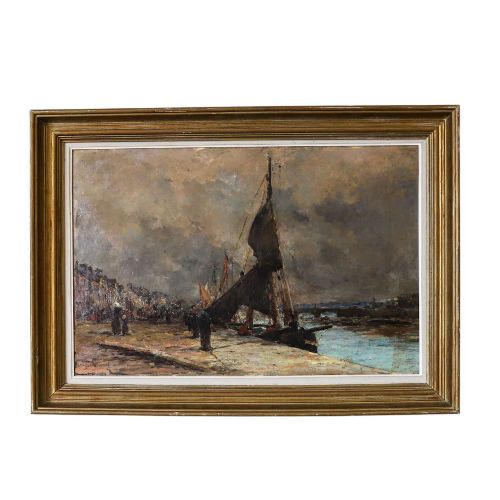
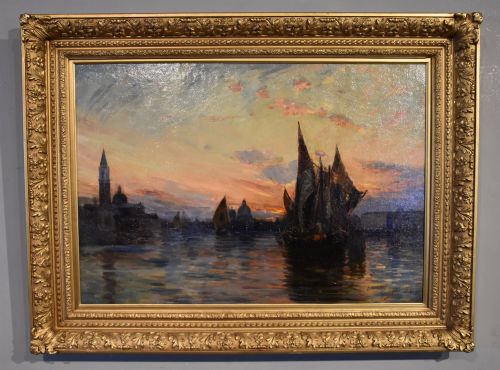
Original Seascape Canvas
An original seascape canvas brings the movement and atmosphere of the coast directly into a room through oil paint and linen.
Original Seascape Canvas
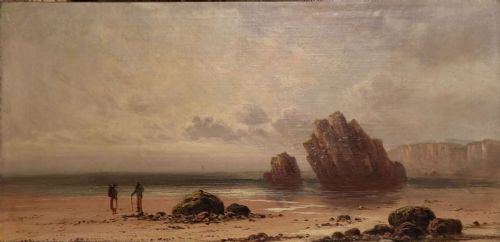
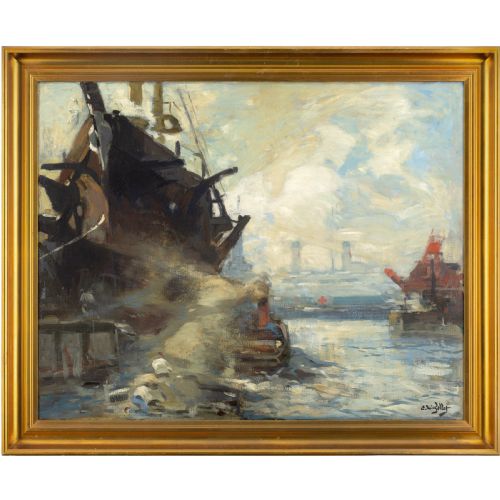
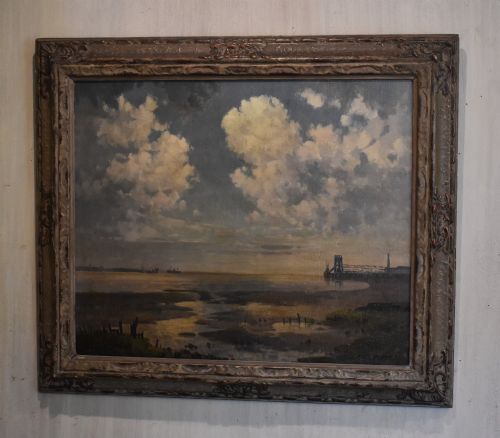
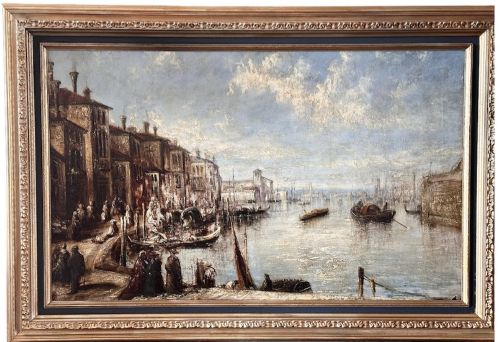
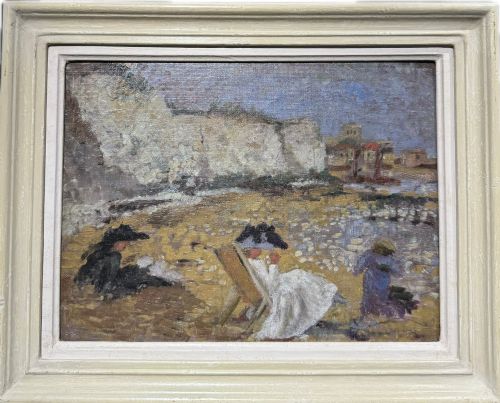
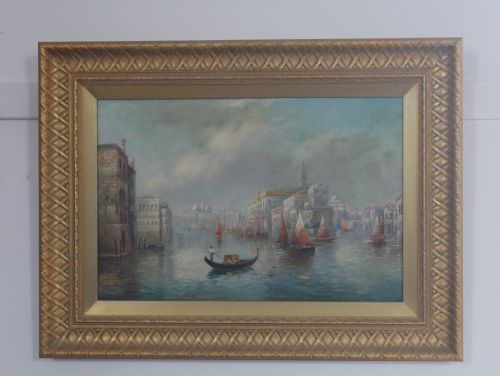
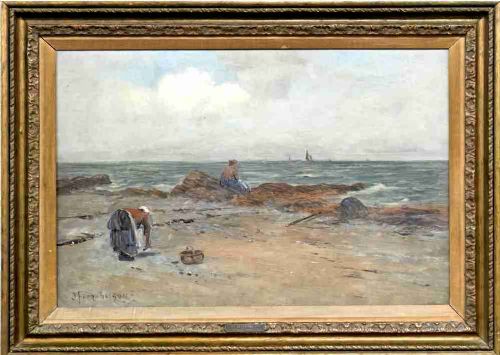
When searching for an original seascape canvas, a buyer encounters painted views of shores, harbours, and open water ranging from the nineteenth century into the mid twentieth century. These works capture coastal life, shipping vessels, and shifting weather conditions through varied regional schools.
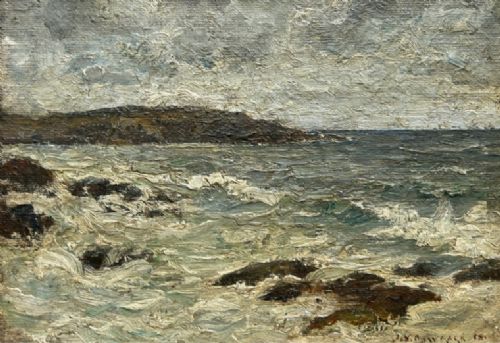
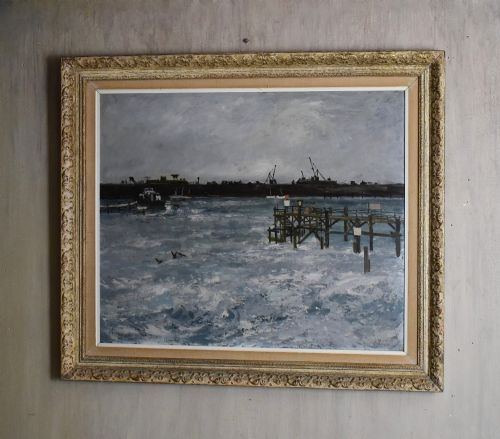
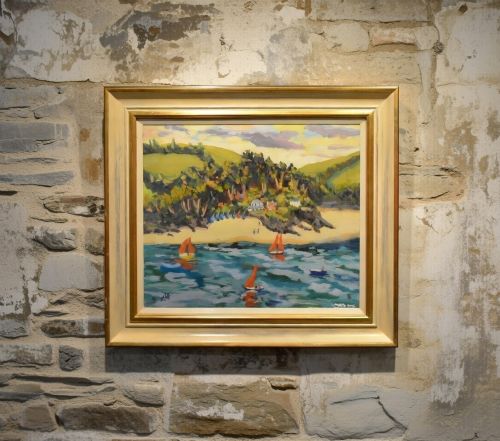
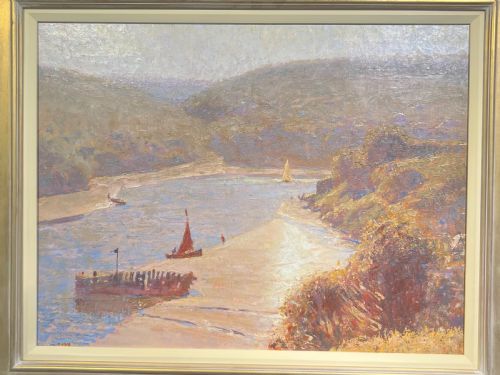
The selections on this page predominantly feature oil paintings on canvas, encompassing British, French, and Scottish coastal landscapes. Pieces span traditional Victorian maritime studies to later impressionist and impasto interpretations of sea and shore.
How they were made
Artists applied oil paint directly onto woven canvas stretchers or boards, utilising rich pigments to build texture and depth. Many works employ thick impasto brushwork to render crashing waves, rocky cliffs, and billowing sails with physical presence.
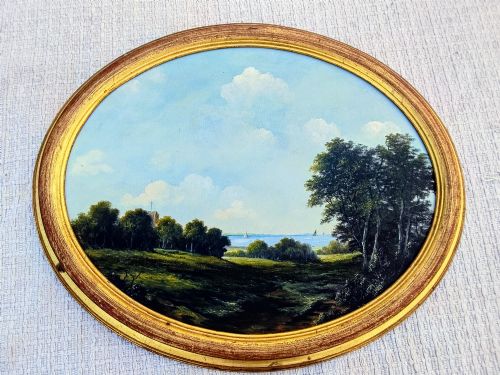
Finished paintings are frequently housed within original gilt wood frames that complement the maritime subject matter and protect the perimeter of the canvas.
Materials recorded across the archive include oil paint, canvas, wood, and decorative gilt frames.
What varies in quality
Quality rests upon the artist's command of light, atmosphere, and spatial depth across the water and sky. Stronger works convey the genuine weight of a stormy sea or the specific quality of evening light on a harbour.
Condition of the canvas surface and the integrity of the original stretcher frames also influence the standing of a piece. Well-preserved pigment layers without heavy intervention elevate the overall integrity of the artwork.
Joseph Farquharson·Abraham Hulk I·Edward Seago·Charles Napier Hemy·Francis Moltino
The Original Seascape Canvas Glossary
- Impasto
- Paint applied thickly to a canvas so that it stands out from the surface. This technique allows brushstrokes and knife marks to catch the light and add tactile dimension.
- Gilt wood
- Wood carved and covered with a thin layer of gold leaf or metallic gilt finish. These frames are frequently found enclosing period marine paintings.
- Stretcher
- A wooden frame that keeps a canvas taut. Traditional paintings are secured to these wooden structures before being placed into outer decorative frames.
- Maritime
- Depicting the sea, ships, and coastal scenes. This genre encompasses both calm harbour views and dramatic ocean battles.
Original Seascape Canvas: Frequently Asked Questions
What defines an original seascape canvas?
An original seascape canvas is a unique hand-painted artwork executed directly onto fabric support using oil paints, rather than a modern mechanical reproduction.
These pieces capture authentic historical views of coastlines, harbours, and maritime vessels created by artists observing the sea firsthand.
How do I care for an oil painting on canvas?
Keep the canvas away from direct sunlight, damp environments, and extreme temperature fluctuations to prevent the oil paint from cracking or warping.
Dust the surface very gently with a soft, dry brush and avoid using water or chemical cleaners on the paint layer.
How can I tell the period of a seascape?
The style of the brushwork, the framing materials, and the clothing or vessels depicted offer strong clues to the era in which the piece was painted.
Nineteenth-century works often feature detailed maritime accuracy and heavy gilt frames, while twentieth-century examples frequently show looser impressionistic or impasto techniques.
Were these paintings always framed?
Most antique oil paintings were housed in decorative timber frames designed to protect the canvas edges and complement the composition.
Many listings retain their period gilt frames, which provide helpful contextual evidence regarding the age and origin of the artwork.