

Original Scottish Oil Painting
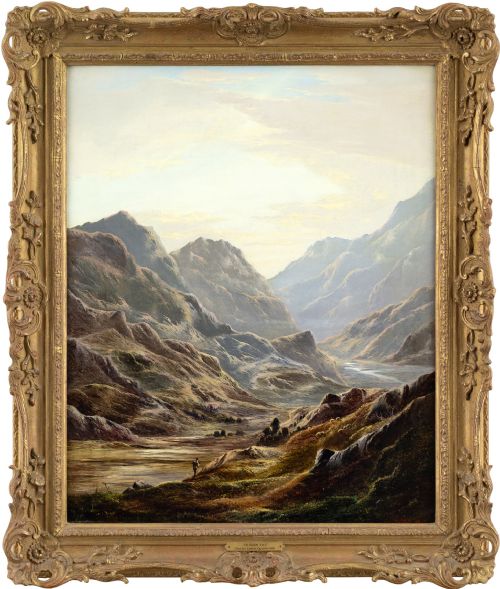
Original scottish oil painting works capture rugged northern light and moody highland vistas, offering any collector a direct window into nineteenth and twentieth century landscapes.
Original Scottish Oil Painting
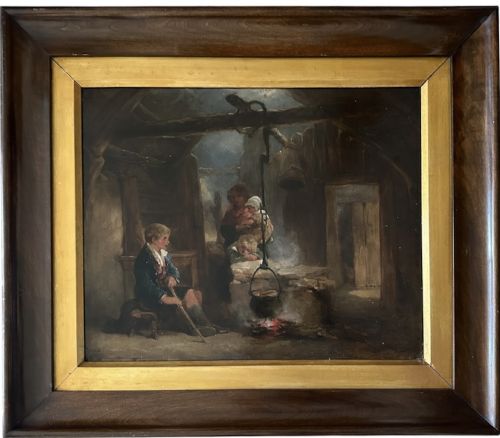
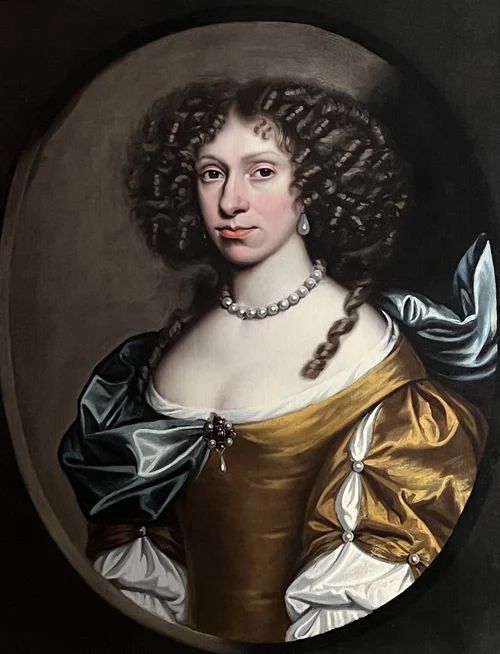
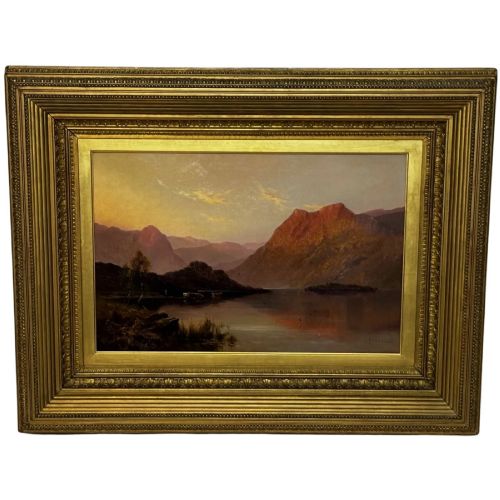
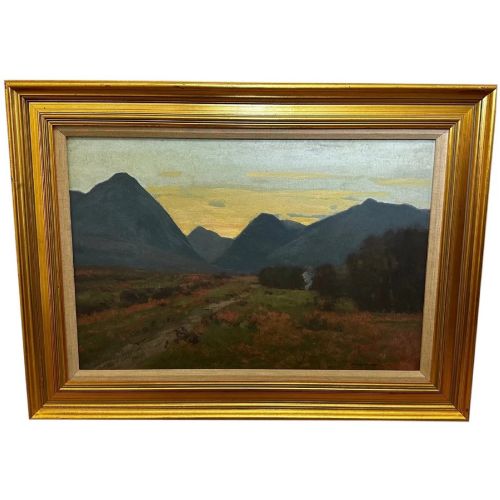
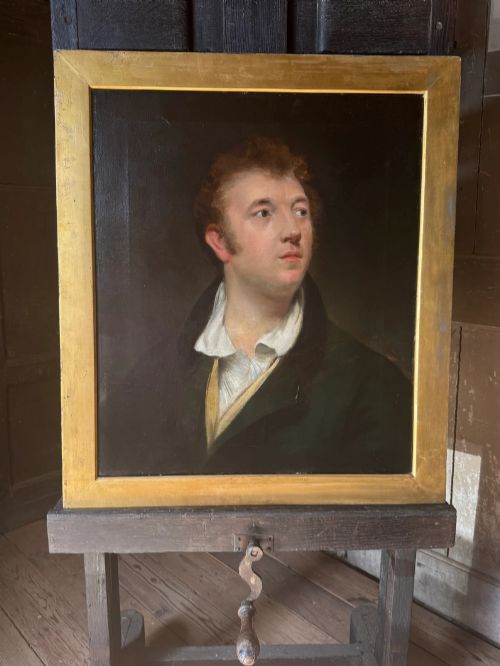
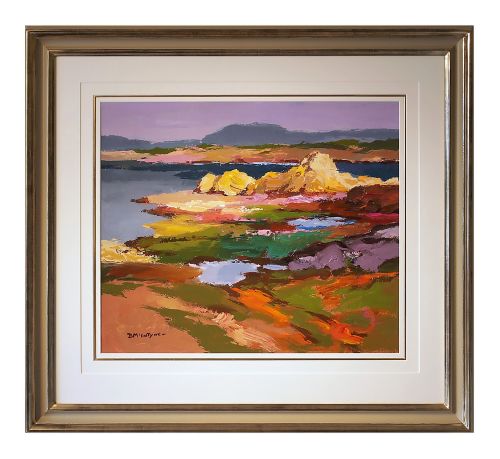
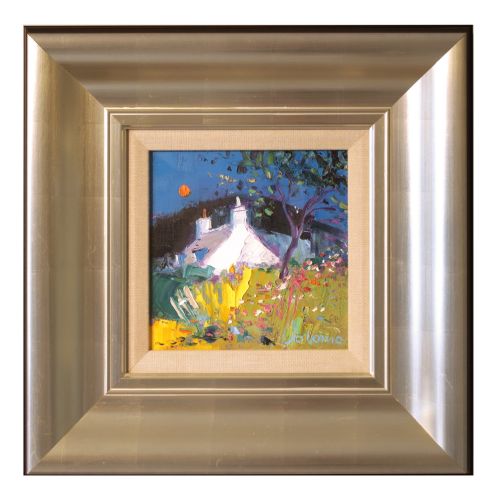
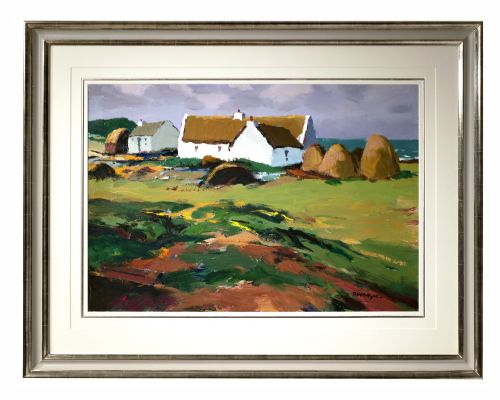
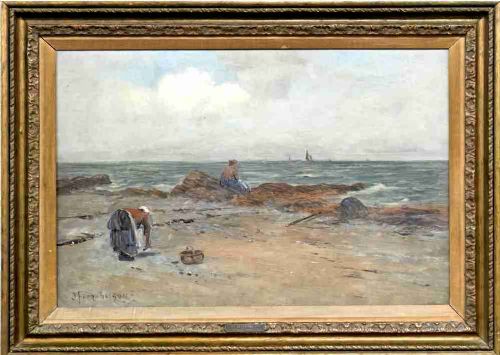
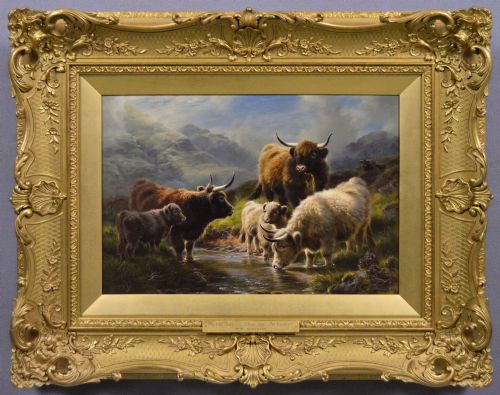
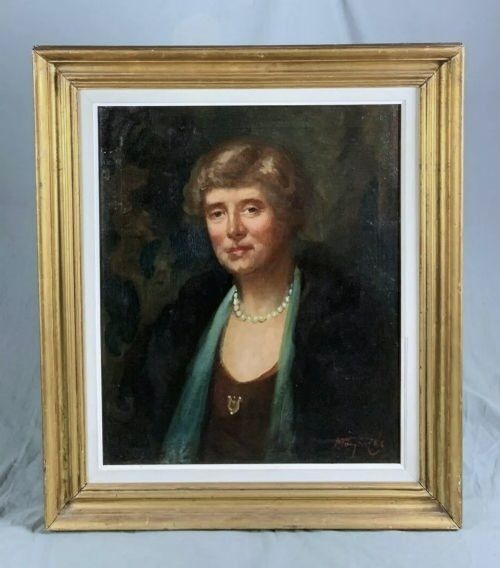
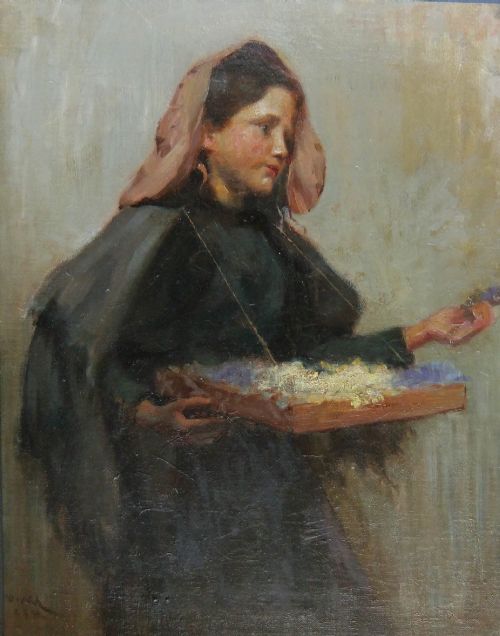
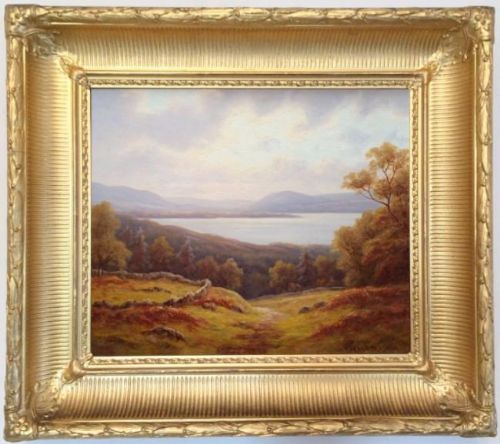
An original scottish oil painting spans sweeping highland vistas populated by cattle and sheep, quiet loch shores, and intimate interior portraits.
The selection ranges from Victorian fine art landscapes to mid-century impressionist boards and bold modernist strokes.
Most pieces date from the nineteenth and early twentieth centuries, anchored by named regional artists and atmospheric school works.
How they were made
Makers applied oil paint onto stretched canvas, prepared wooden panels, or rigid boards using traditional bristle brushes and palette knives.
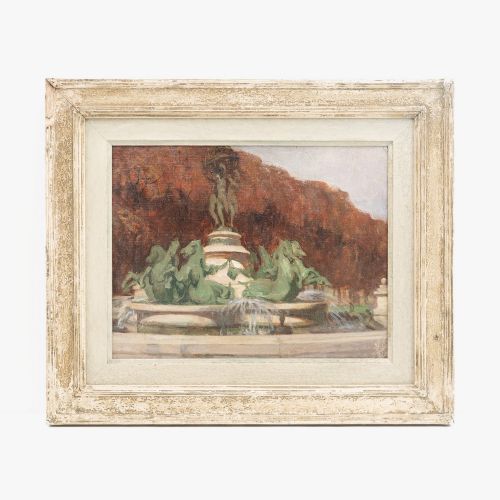
Subsequent conservation and framing often incorporated giltwood moulding and decorative gesso to house the finished composition.
Several Highland cattle scenes feature moody morning mists that practically require a tweed jacket.
What varies in quality
Brushwork precision and confidence dictate the visual weight of each scene, separating hurried studio copies from master works.
Atmospheric depth, handling of northern light, and compositional balance define the distinction between standard regional records and exceptional pieces.
David Scougall·Tom Campbell·George Houston·James Howe·Donald McIntyre·John Lowrie Morrison·Joseph Farquharson·William Watson Jnr·Charles James McCall·Charles Leslie·William Watt Milne·Alexander Jamieson·Everett Watson Mellor·William George Tennick·Archibald Kay·Sir David Murray·Henry Hillier Parker·William Littlejohn·Frank Hider·H Wallace·John Horsburgh·William Grant Murray·John Douglas Perrett·Tom Seymour·William McCance
The Original Scottish Oil Painting Glossary
- Canvas
- A heavy woven fabric stretched across a wooden frame to serve as the primary painting surface.
- Giltwood
- Carved wood treated with a thin layer of gold leaf, commonly found on period frames.
- Gesso
- A plaster mixture applied to wood panels or frames to prepare a smooth surface for painting or gilding.
- Impasto
- A technique where oil paint is laid thickly on the surface, leaving visible brush or knife marks.
- Board
- A rigid flat substrate used instead of canvas, frequently seen in nineteenth and twentieth century outdoor painting.
Original Scottish Oil Painting: Frequently Asked Questions
How do I identify a scottish landscape?
Look for specific regional geography recorded in titles or verso inscriptions, such as named lochs, glens, and highland cattle.
Artists frequently documented specific weather patterns, heather moors, and mountain ranges unique to northern topography.
What is oil on board?
This construction method uses a rigid backing material rather than woven fabric to hold the pigment layers.
Artists often utilised panels for plein air painting excursions due to their durability and ease of transport.
How should I clean my painting?
Surface dust should be removed gently with a soft dry brush without applying pressure to the pigment.
Avoid liquid cleaners or household solvents which can damage historic oil layers and exposed gesso.
Are frames original to the art?
Many nineteenth and twentieth century pieces retain period giltwood surrounds that match the era of creation.
Secondary framing often occurs over time to protect vulnerable edges or update interior presentation.