

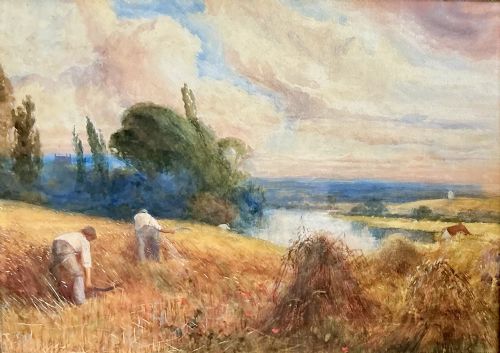


Original River Watercolour
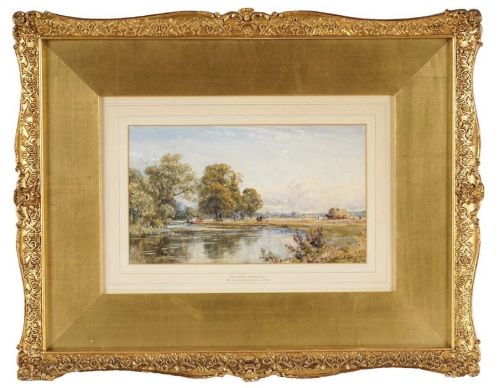
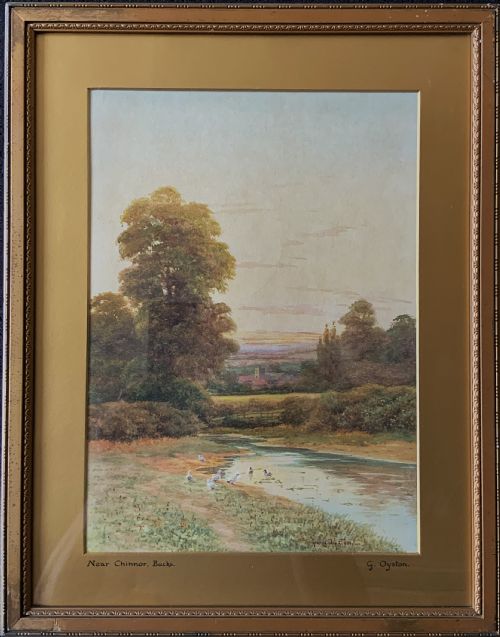
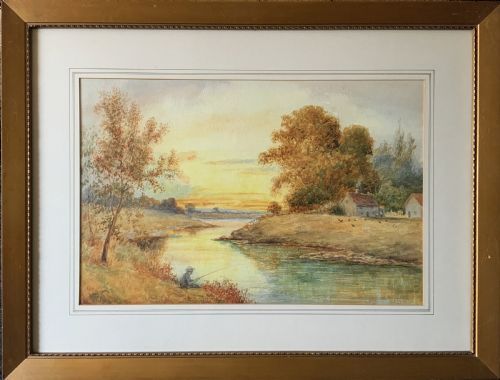
An original river watercolour brings the quiet topography of nineteenth and early twentieth century waterways directly onto the wall.
Original River Watercolour
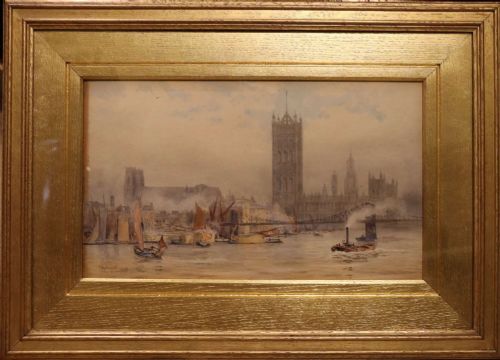
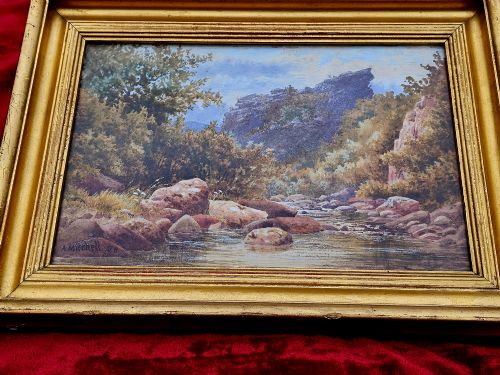
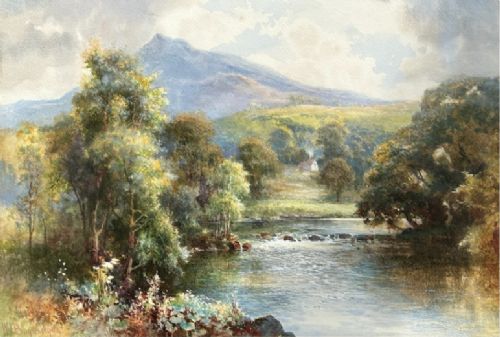
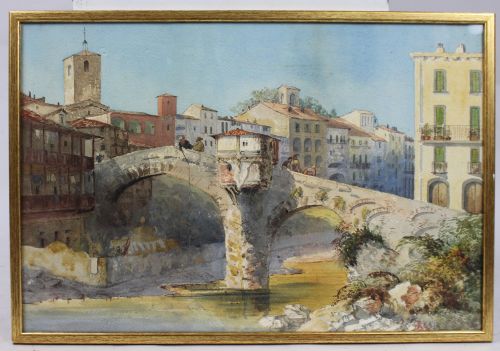
An original river watercolour captures British and continental waterways, from the Thames and the Wye to Welsh valleys and Italian scenes, rendered through historical landscape traditions.
Most pieces date from the nineteenth century through to the mid twentieth century, encompassing Victorian naturalism, Edwardian views, and early twentieth century British impressionism.
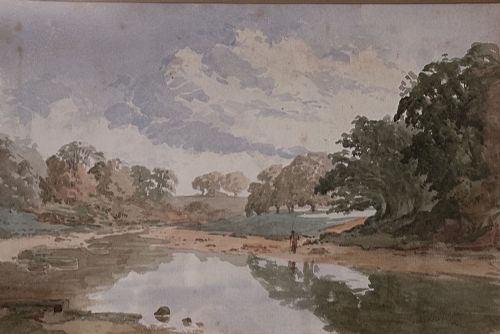
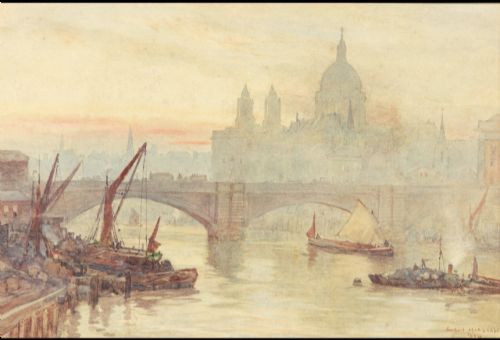
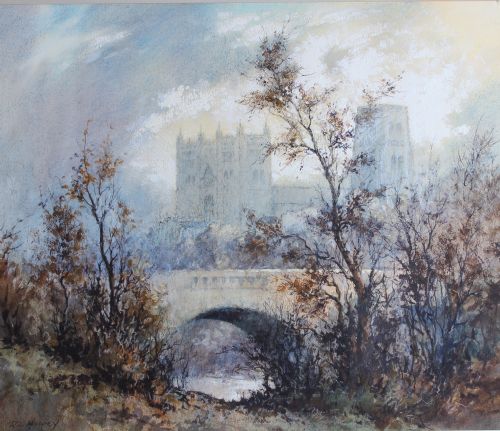
Compositions range from intimate pastoral backwaters and livestock watering by riverbanks to expansive estuarine shipping and architectural landmarks framed by water.
Materials and technique
Painters applied watercolour pigment suspended in water onto heavy paper surfaces, utilising the white of the unpainted paper to create luminosity and highlights.
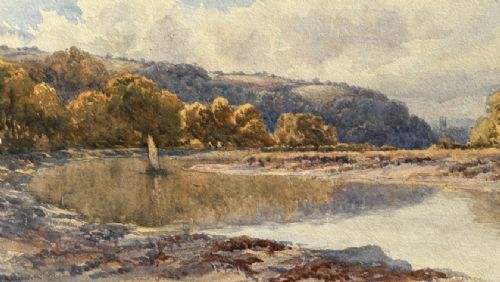
Artists often employed washes for broad expanses of sky and water alongside finer brushwork for foliage, figures, and architectural detail.
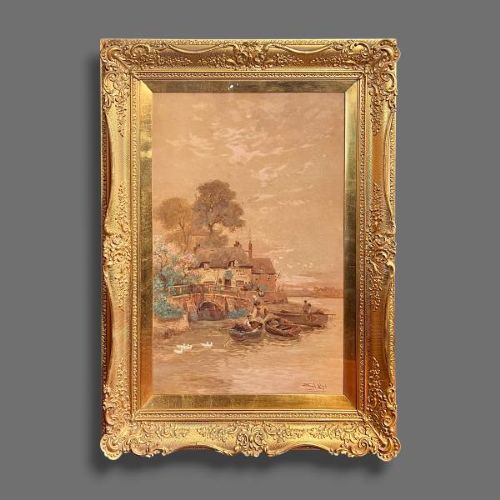
Surviving examples are typically framed behind glass, frequently within gilt wood surrounds that protect the delicate paper support from atmospheric moisture.
Several river scenes discreetly slip grazing cows and wandering ducks into the background of otherwise solemn architectural views.
Evaluating quality and execution
The strength of an original river watercolour lies in the confidence of the brushwork and the management of transparent washes, where controlled fluidity distinguishes accomplished hands from rigid execution.
At the higher end, established artists demonstrate precise topographical observation combined with atmospheric light effects, whereas lesser pieces rely on formulaic composition and heavy, opaque pigment handling.
H Medlycott·Alfred Young Nutt·William Joseph Boyes·Robert Thorne Waite·George Oyston·Robert Leslie Howey·Frederick Hines·William Frederick Settle·Alfred George Morgan·Cornelius Pearson·Arthur Reginald Smith·Henry John Kinnaird·Thomas Hunn·J Laporte·Colin H Greenwood·John Syer·Robert Winchester Fraser·Alfred Grey·George Arthur Fripp·Harold Lawes·Frederick G Coulridge·Leslie Rackham·Charles Harmony Harrison·John Hobson Nicholson·Percy Lancaster
The Original River Watercolour Glossary
- Wash
- A thin, transparent layer of diluted watercolour pigment applied across paper to create smooth expanses of sky, water, or distant landscape.
- Gilt wood
- Carved or moulded timber framing finished with a thin layer of gold leaf or metallic gilding, commonly found protecting historical works on paper.
- Watercolour pigment
- Finely ground colour particles mixed with a water-soluble binder, forming the primary medium for these landscape paintings.
- British Impressionism
- A late nineteenth and early twentieth century painting style focusing on natural light, outdoor settings, and looser brush application.
- Victorian Fine Art
- Works produced during the reign of Queen Victoria characterised by academic training, detailed observation, and narrative landscape subjects.
Original River Watercolour: Frequently Asked Questions
How do I care for an antique watercolour?
Keep works on paper away from direct, strong sunlight to prevent the watercolour pigments from fading over time. Maintain stable indoor humidity levels to protect both the paper support and the surrounding wooden or gilt frame.
Ensure the framing is properly sealed behind glass to prevent dust and atmospheric pollutants from settling directly onto the delicate paint surface.
Were these watercolours painted outdoors?
Many nineteenth-century artists produced rapid preparatory sketches or plein-air studies directly beside the riverbank to capture immediate light and weather conditions. Finished exhibition pieces were frequently completed in the studio using these field observations.
Artists like those working within British Impressionism placed a stronger emphasis on recording outdoor luminosity directly onto paper.
How can I tell the period of a landscape?
Stylistic markers, such as the transition from structured Victorian naturalism towards freer early twentieth-century impressionism, help narrow down the date of execution. Signatures, dated inscriptions on the mount or reverse, and framing materials also provide reliable chronological evidence.
Clothing styles of any figures depicted along the riverbanks offer further clues to the specific decade.
Why are rivers such a common subject?
Waterways provided artists with natural compositional pathways that drew the viewer's eye into the depth of the landscape. Rivers also sustained bustling commercial traffic, rural mills, and pastoral livestock, offering varied subjects within a single view.
Topographical accuracy along specific rivers like the Thames or the Ouse made these works appealing to contemporary collectors.