
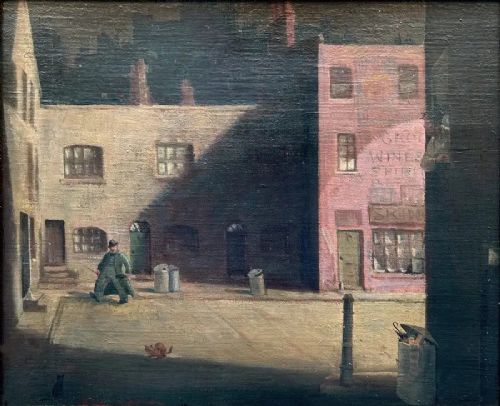
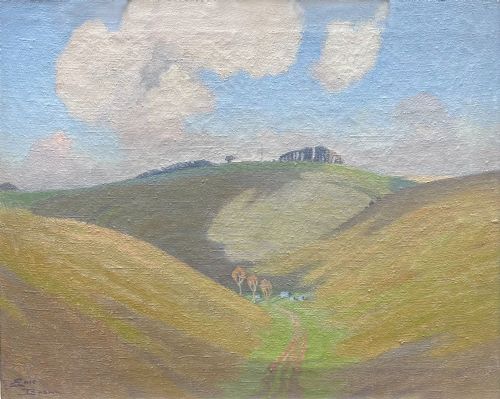
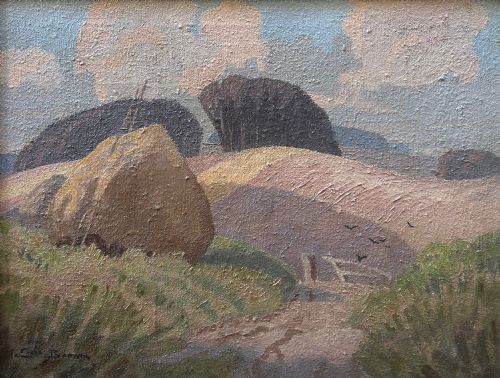
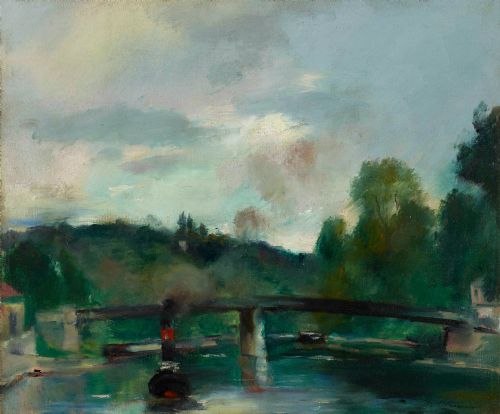
Original Post Impressionist Painting
When you search for an original post impressionist painting, you are looking at vibrant brushwork and atmospheric coastal or town scenes spanning the early twentieth century.
Original Post Impressionist Painting
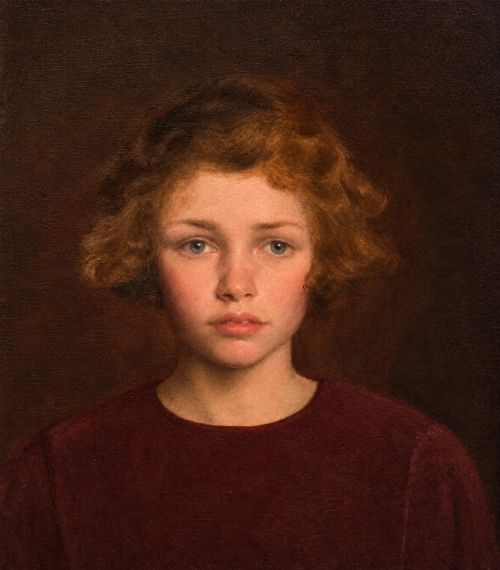
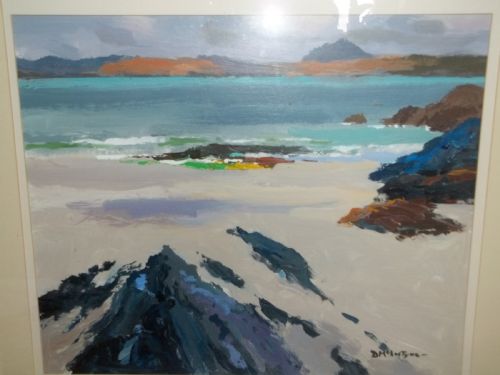
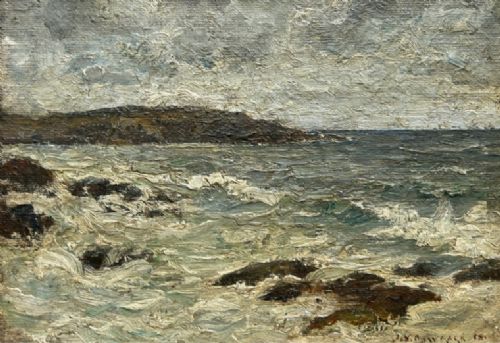
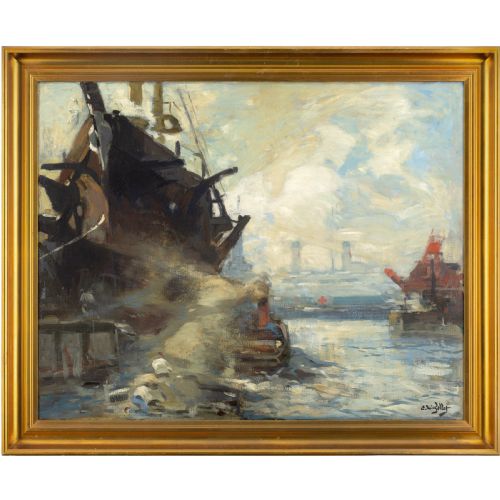
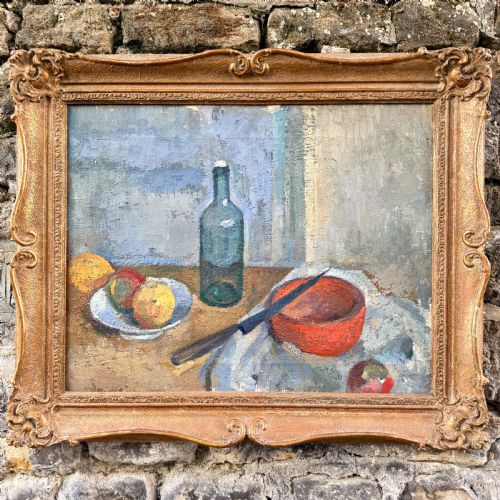
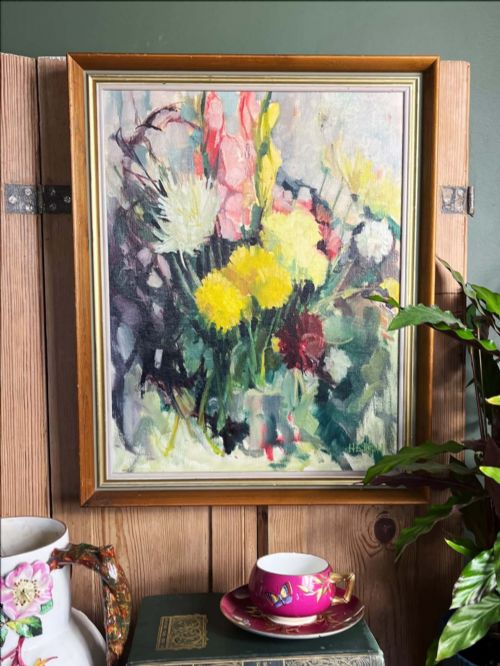
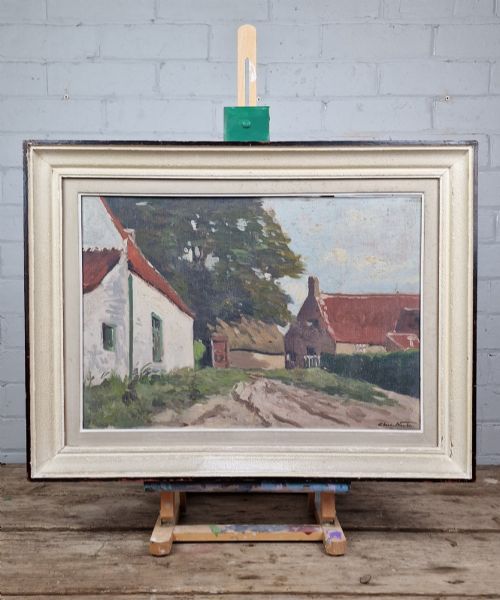
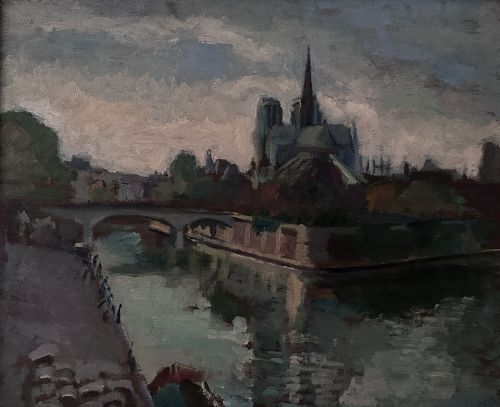
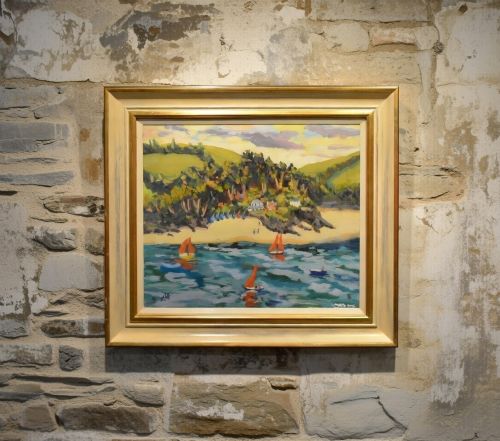
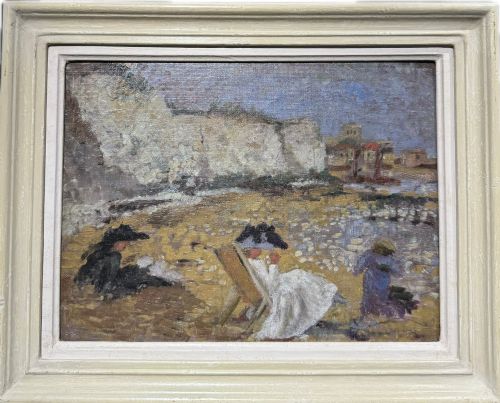
An original post impressionist painting captures light, landscape, and everyday subjects through expressive brushwork rather than strict academic realism. You will find these works executed across various formats, including framed oils on canvas, oil on board, and wood panel.
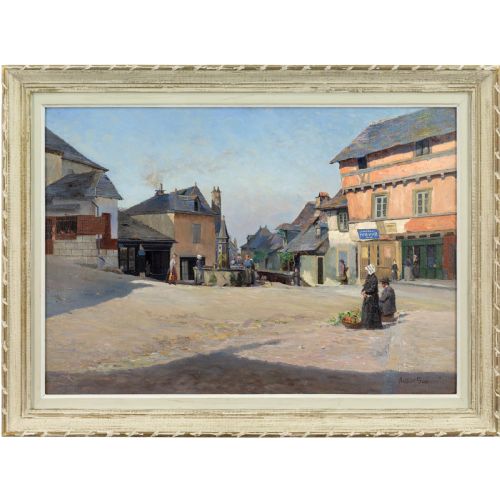
The selections span from the late nineteenth century through to the mid-twentieth century, with strong representation from British and French artistic circles. Common subjects range from quiet rural farmyards and floral still lifes to bustling Parisian streetscapes and coastal harbours.
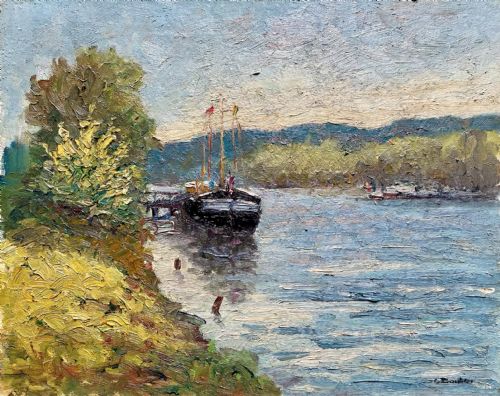
Many of these pieces reflect regional schools and plein air traditions from locations such as Normandy, Brittany, and St Ives. Whether rendered as an intimate board study or a large canvas, each piece documents the evolving modernist approach to colour and form.
Materials and technique
Artists primarily applied oil paint to stretched canvas, wooden boards, or rigid card panels, occasionally utilising mixed media or gouache on paper. The physical application of paint relies on visible, textured strokes, impasto, and broken colour rather than blended glazes.
Many works were painted plein air, capturing direct observations of natural light outdoors, which accounts for the spontaneous composition and energetic handling of the medium. Canvases are frequently housed in period gilt or painted wood frames that complement the palette of the era.
Listings feature works created between eighteen-ninety and nineteen-sixty, executed in oil paint, gouache, and mixed media.
What distinguishes individual works
The strength of a composition rests on the confidence of the brushwork and the deliberate harmony of the palette. Works that capture atmospheric light and spatial depth with economy of mark display a higher artistic command.
Provenance and documentation also set certain pieces apart, particularly when signed by the artist, dated accurately, or linked to known regional schools and exhibitions. The tactile quality of the painted surface, preserved stability of the support, and framing all contribute to the integrity of the piece.
Eugène-Louis Gillot·Arthur Gué·Charles Houben·Ethel Sands·Francisco Sancha·Eric Brown·Henri Ottmann·Donald McIntyre·Cecil Allan Mould·Rene Levrel·Henry de Waroquier·Alexander Jamieson·Ronald Ossory Dunlop·Victor Simonin·Hubert Wellington·Paul-Jean Anderbouhr·Henri Vincent-Anglade·Louis Suire·Jean-Baptiste Olive·George Turland Goosey·André Prévot-Valéri·Majorie Hoare
The Original Post Impressionist Painting Glossary
- Impasto
- Paint applied thickly to a canvas or board, leaving distinct brush or palette knife marks that stand proud of the surface. This technique creates physical texture and catches light.
- Plein air
- The practice of painting outdoors directly from landscape subjects rather than in a studio. This method captures transient effects of natural light and weather.
- Post-Impressionism
- An artistic movement developing roughly from the late nineteenth century onward that rejected rigid academic rules in favour of expressive colour, distinct brushwork, and symbolic content.
- Board
- A rigid flat support made from wood, card, or composite material used by artists instead of stretched canvas. It provides a firm foundation for direct paint application.
- Provenance
- The documented history of ownership and exhibition of an artwork. A clear record helps verify authenticity and origin.
Original Post Impressionist Painting: Frequently Asked Questions
How do I identify a post-impressionist painting?
Look for expressive brushwork, non-naturalistic use of colour, and a focus on everyday scenes rather than grand historical narratives. These works often show visible texture in the paint and a strong emphasis on light.
Compare the handling of the medium against academic styles of the same era, noting how form is suggested through broken colour rather than blended lines.
Where were most of these paintings created?
Many originate from artistic hubs in France and Britain, created by painters working on location in coastal villages, rural countryside, or urban centres. Regions like Normandy, Brittany, and Provence feature prominently.
Artists frequently travelled to these areas to capture local light and topography directly onto canvas or board.
How should I frame and display my painting?
Select a frame that suits the period of the artwork, such as a simple antique wood or gilt moulding that does not overpower the composition. Ensure the piece is kept away from direct sunlight and excessive moisture to protect the oil paint and canvas.
Proper hanging involves using secure wall fixings rated for the weight of the framed wood panel or canvas.
What is the difference between oil on canvas and oil on board?
Canvas involves fabric stretched over a wooden frame, offering slight give under the brush and a textured weave beneath the paint layers. Board is a rigid flat support that provides a completely solid backing for the pigment.
Both materials were widely used across the period, with boards often favored for smaller outdoor studies.