





Original Pastoral Oil Canvas
An original pastoral oil canvas brings the quiet of the countryside indoors through enduring rural scenes captured on fabric.
Original Pastoral Oil Canvas
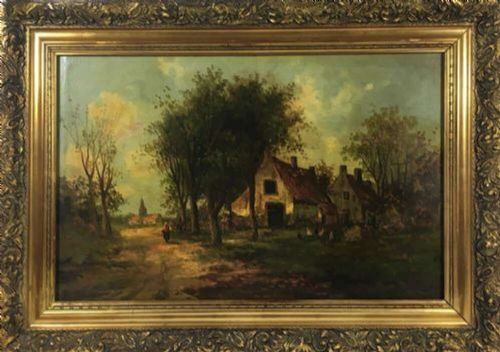
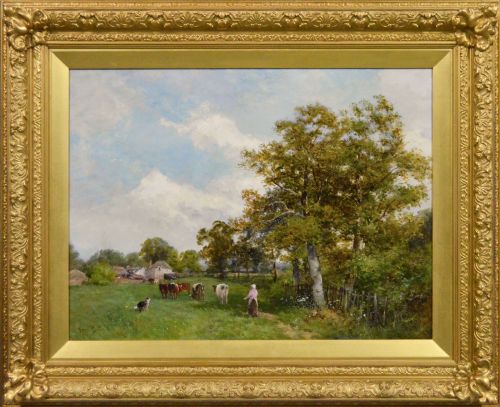
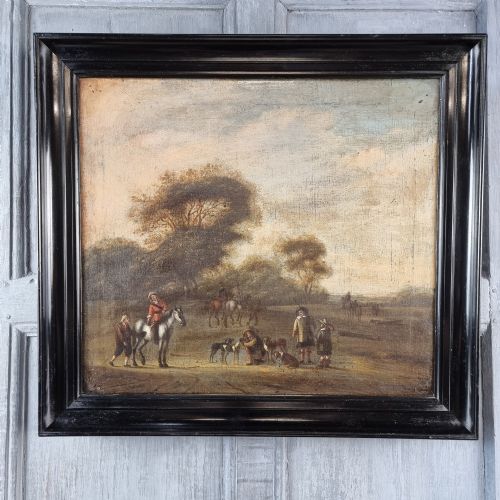
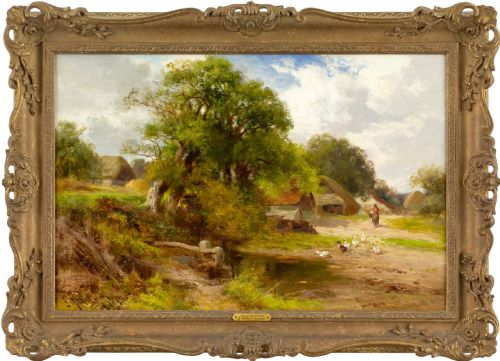
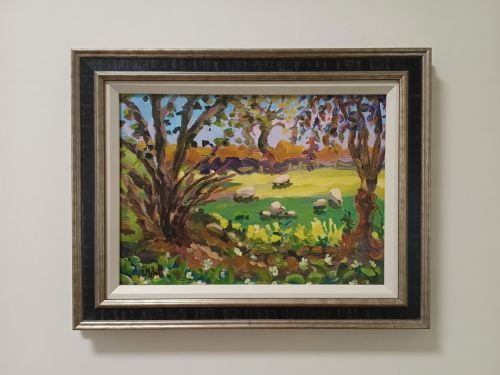
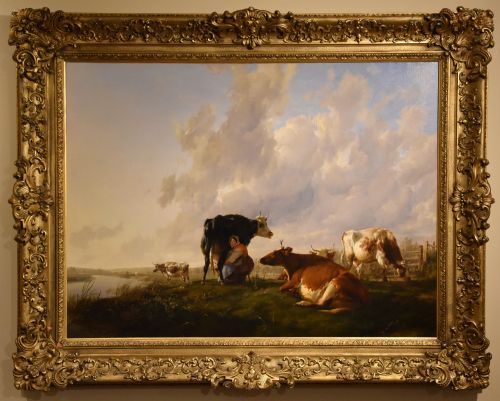
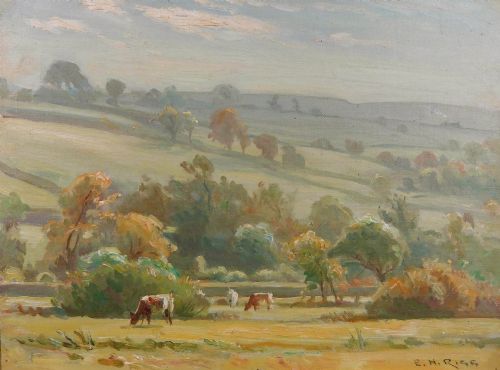
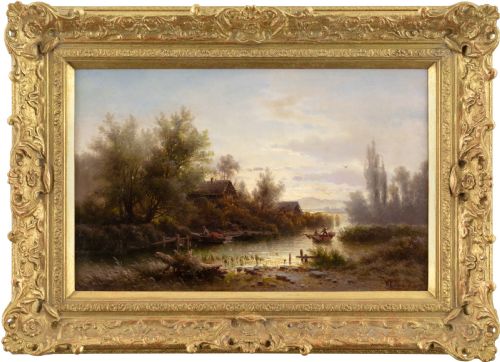
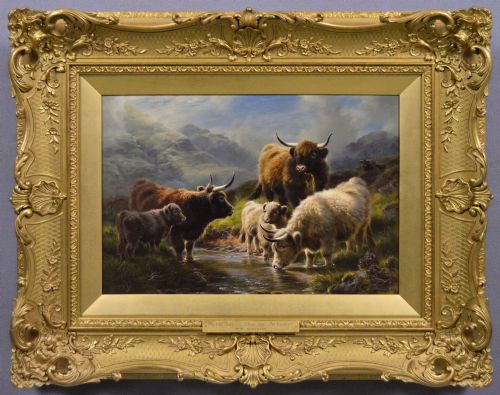
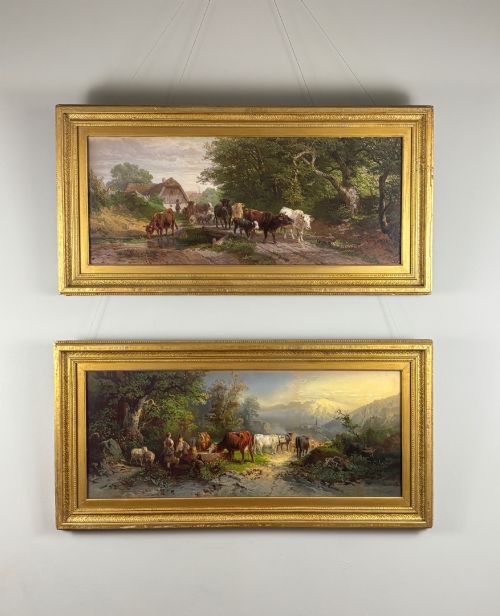
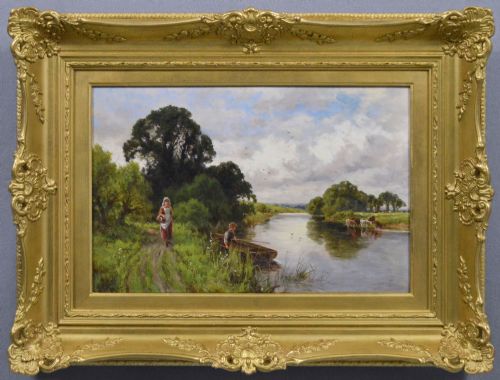
When you search for an original pastoral oil canvas, you encounter painted depictions of rural life, farming scenes, and countryside vistas. These works frequently feature shepherds, cattle, rivers, cottages, and agricultural workers resting or labouring.
The selections available here span from the nineteenth century through the Edwardian period and into mid-century modern interpretations. Victorian Realism and British Impressionism heavily influence the character of these rural compositions.
Most examples present traditional British and European landscapes framed in wood, often accompanied by ornate gesso mouldings. The physical scale ranges from intimate cabinet paintings to large gallery pieces.
How they were made
Artists painted primarily with oil paint applied directly onto stretched canvas surfaces using traditional bristle brushes and palette knives. This medium allowed for rich texture, depth of colour, and gradual blending of light across pastoral skies and fields.
Sheep appear far more frequently than cows in these pastures, often standing quietly in patches of wild garlic.
What varies in quality
Quality depends upon the artist's handling of natural light, atmospheric perspective, and anatomical precision within the figures and animals. Superior canvases capture convincing texture in foliage, wool, and water.
The integrity of the original canvas and paint layer determines the condition grade, alongside the presence of period-appropriate framing. Works retaining their untouched surface texture command greater interest from collectors.
Eugène Verboeckhoven·William H Myers·John Horace Hooper·David Bates·Thomas Sidney Cooper·Ernest Higgins Rigg·Albert Rieger·William Watson Jnr·Henry H Parker·Owen Bowen·Charles Clair·John Sanderson Wells·Alfred Augustus Glendening Jnr·George Vicat Cole·Henry John Boddington·Robert John Hammond·John Linnell·Robert Finley McIntyre·Pierre Emmanuel Dielmans·Peter Deakin·T Smythe·Bertha Rhodes Carrick
The Original Pastoral Oil Canvas Glossary
- Canvas
- A heavy woven fabric stretched across a wooden frame to serve as the foundation for oil paintings. It provides a durable and textured surface for pigment adhesion.
- Gesso
- A plaster-like mixture applied to wooden frames as a smooth base for gilding or paint. This material creates crisp decorative mouldings around the perimeter of the artwork.
- Impressionism
- A style of painting emphasising spontaneous brushstrokes and the shifting qualities of natural light. Artists working in this manner focused on outdoor scenes rather than studio perfection.
- Pastoral
- A genre of art depicting rural life, shepherds, and agricultural landscapes in an idealized or tranquil manner. These subjects celebrate the simplicity of country existence.
- Realism
- An artistic movement dedicated to representing subject matter truthfully without artificial artistic embellishment. Pastoral realism depicts farm workers and livestock with accurate anatomical detail.
Original Pastoral Oil Canvas: Frequently Asked Questions
Where should I hang a pastoral landscape?
Display these works away from direct sunlight and excessive humidity to prevent the canvas from warping or the paint from cracking. Stable indoor temperatures preserve both the fabric support and the wooden frame.
Position the painting at eye level on a wall capable of supporting the weight of the heavy timber and gesso frame. Adequate wall space allows the composition to be viewed clearly from a distance.
How do I identify the period of a painting?
Examine the canvas weave, the stretcher frame construction, and the style of the handwritten inscriptions on the reverse. Victorian works often display tighter canvas weaves and specific framing conventions.
Artist signatures and dated exhibitions provide definitive markers for dating. Comparing the brushwork style to known regional school characteristics helps narrow the decade.
What is the difference between pastoral and landscape art?
Pastoral art specifically includes human figures, farm animals, or agricultural activities within a rural setting. Pure landscape art focuses exclusively on scenery, topography, and natural elements without domestic elements.
Scenes featuring grazing sheep, ploughing horses, or cottages fall firmly into the pastoral category. This human element adds narrative warmth to the natural backdrop.