
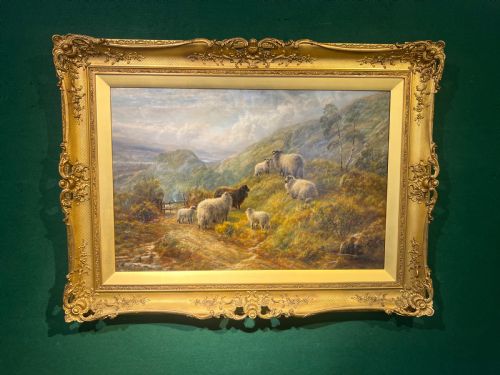
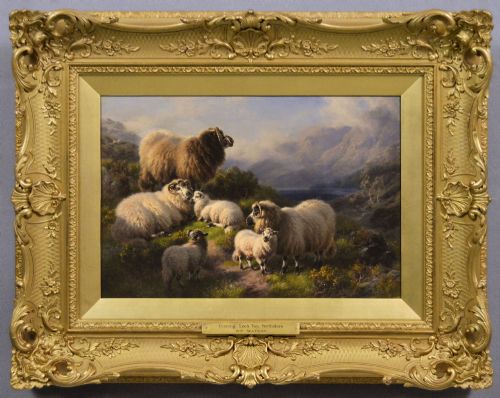
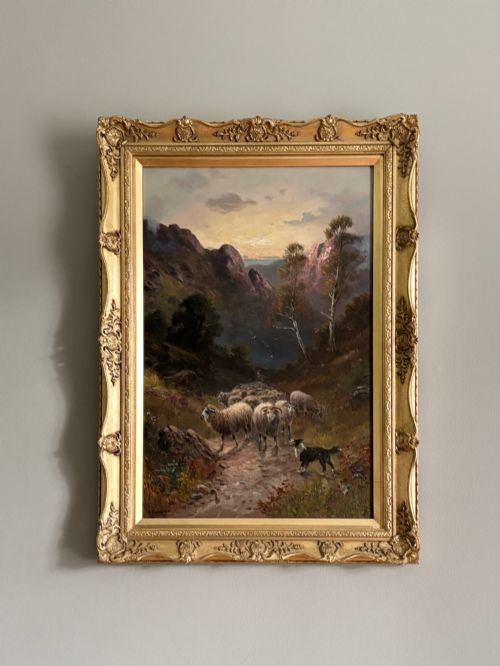
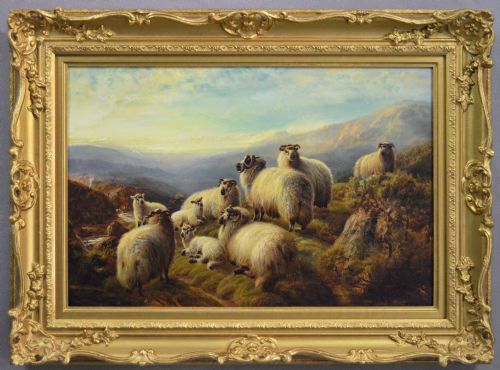


Framed Pastoral Sheep Painting
When you search for a framed pastoral sheep painting, you are looking at nineteenth and early twentieth-century rural scenes that bring quiet country life indoors.
Framed Pastoral Sheep Painting
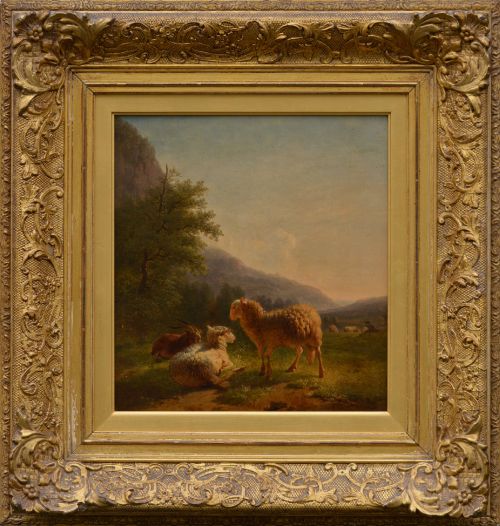
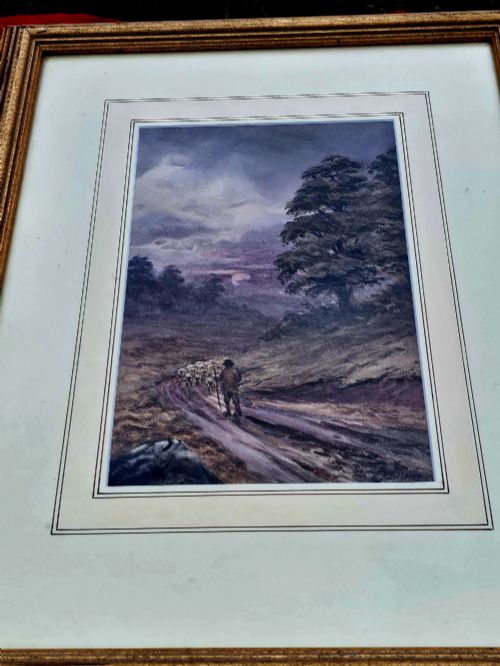
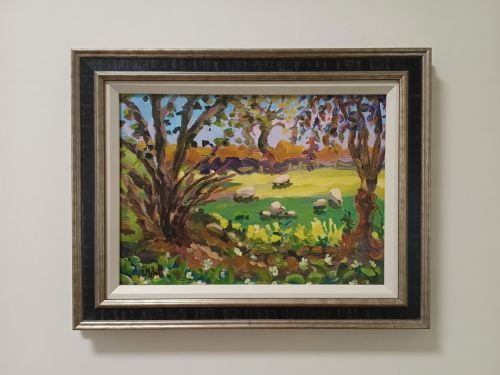
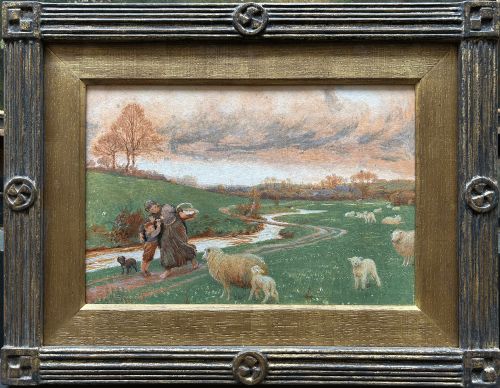
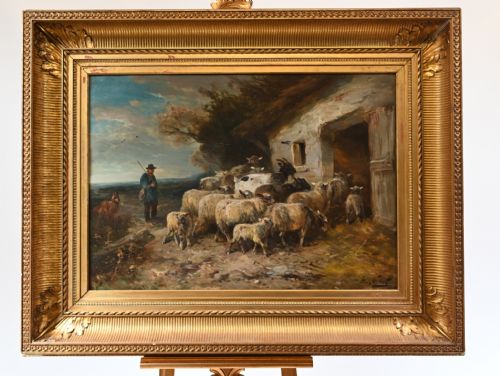
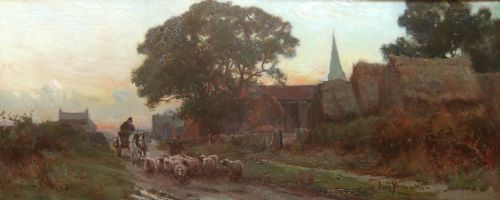
A framed pastoral sheep painting depicts flocks grazing across British, Scottish, and European landscapes, capturing shepherds, drovers, and farmsteads in open fields. You will most frequently encounter works executed in oil on canvas or watercolour on paper from the Victorian and Edwardian periods.
These framed artworks range from intimate watercolours to large oil landscapes by named nineteenth-century artists and regional schools. The subjects focus on domestic farming life, coastal pastures, and Highland valleys rendered in realistic or impressionistic styles.
How they were made
Painters used oil on canvas or watercolour on paper, applying pigments with brushes to build texture and atmospheric light across the rural scenery. Canvases were stretched over wooden frames and secured within decorative giltwood or gesso surrounds.
Framing often incorporated glass to protect delicate paper watercolours, whilst heavier oil works utilised moulded wooden frames that sometimes carried period ornamentation.
Listings feature works created across the nineteenth and early twentieth centuries, utilising oil on canvas, watercolour, and giltwood framing.
What varies in quality
The degree of artistic skill in rendering animal anatomy and atmospheric light separates standard works from master outputs. Accomplished painters captured the texture of wool and the natural posture of resting or grazing livestock with precise observation.
The integrity of the original canvas, the preservation of the pigment, and the harmony of the period wooden frame contribute significantly to the standing of each piece.
Eugène Verboeckhoven·Thomas Sidney Cooper·Henry Charles Fox·Owen Bowen·Robert Watson·William Henry Mander
The Framed Pastoral Sheep Painting Glossary
- Oil on Canvas
- Pigment mixed with drying oil applied to a woven fabric support. This medium allowed artists to build rich layers of colour and texture.
- Giltwood
- Wood carved and coated with gold leaf or a gold-coloured metallic finish. It provided a reflective and ornate border for nineteenth-century fine art.
- Watercolour
- Pigments suspended in a water-soluble vehicle applied to paper. It created luminous and translucent effects suited to landscape studies.
- Gesso
- A plaster-like mixture applied to wood frames before gilding or painting. It formed a smooth base for decorative mouldings.
Framed Pastoral Sheep Painting: Frequently Asked Questions
What periods do these paintings come from?
The available selection primarily spans the nineteenth century through to the early twentieth century, encompassing the Victorian and Edwardian eras. These periods saw a strong artistic focus on rural life and animal portraiture.
Dates range from mid-Victorian watercolours to later Edwardian oils, reflecting changing regional British and European artistic styles.
How were these paintings originally displayed?
Owners typically hung these framed works in domestic reception rooms and parlours to project an appreciation of rural tranquility and agricultural wealth. They served as central decorative elements on panelled or papered walls.
The heavy giltwood and wood frames were chosen to complement interior furnishings of the period and to protect the edges of the canvas or paper.
How do I care for a framed oil painting?
Keep the artwork away from direct sunlight and fluctuating temperatures to prevent the canvas from slackening and the oil paint from cracking. Dust the frame gently with a dry, soft cloth.
Avoid using liquid cleaners on the canvas or the gilt surround, and consult a professional conservator if the surface requires deeper cleaning.
How can I tell a watercolour from an oil painting?
Watercolours are painted on paper, lie flat under protective glass, and display a translucent quality where the texture of the paper remains visible. Oil paintings use a woven canvas support and present a heavier, textured paint layer without glass.
Examining the surface closely under good light reveals the distinct brushwork and material depth characteristic of each medium.