


Original Oil Painting Boats
Original oil painting boats capture maritime scenes and coastal harbours across centuries of changing light and painterly styles.
Original Oil Painting Boats
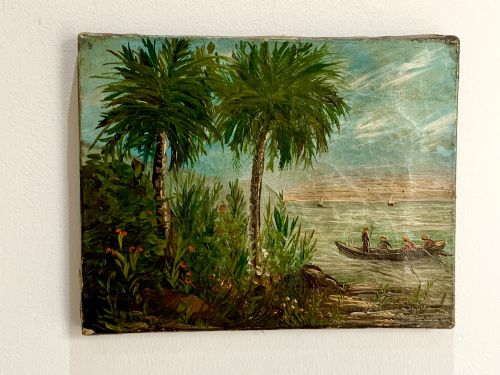
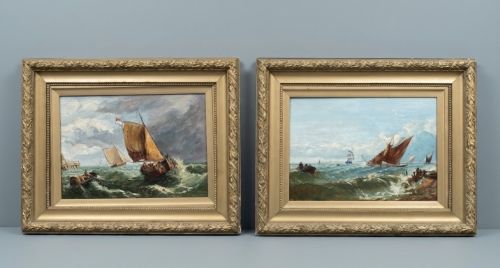
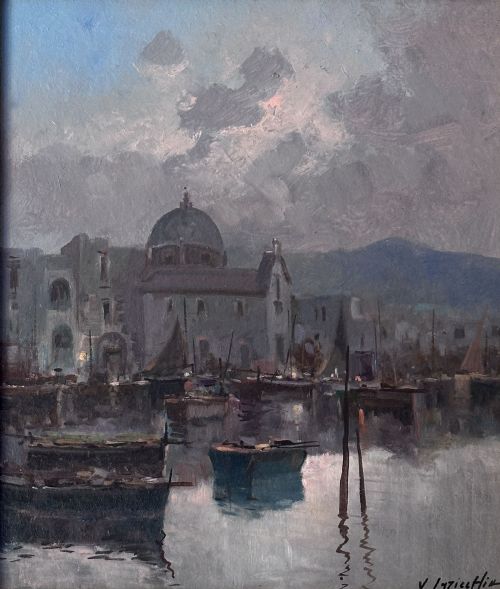
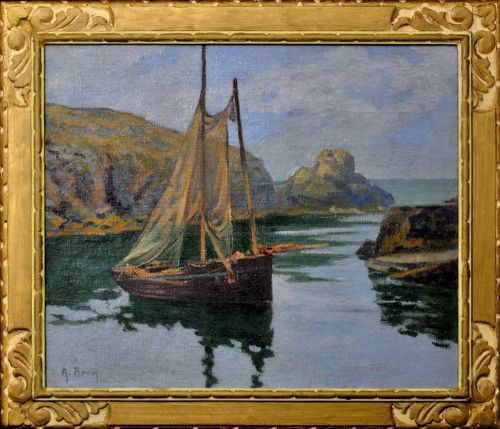
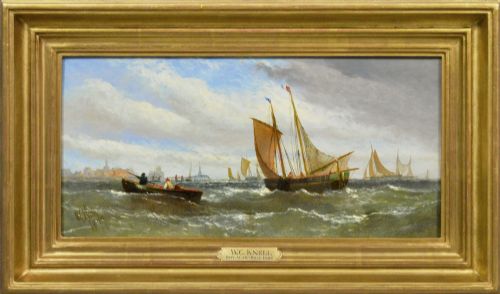
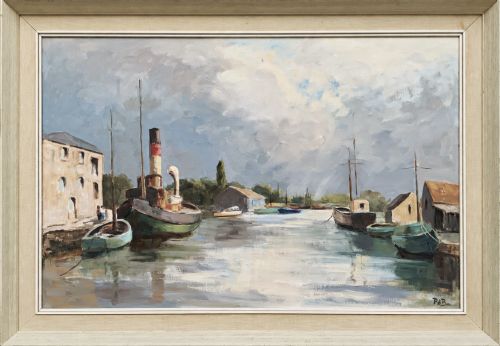
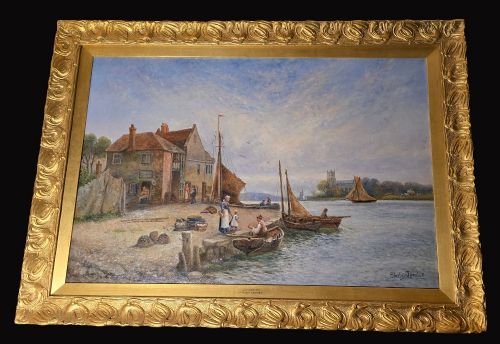
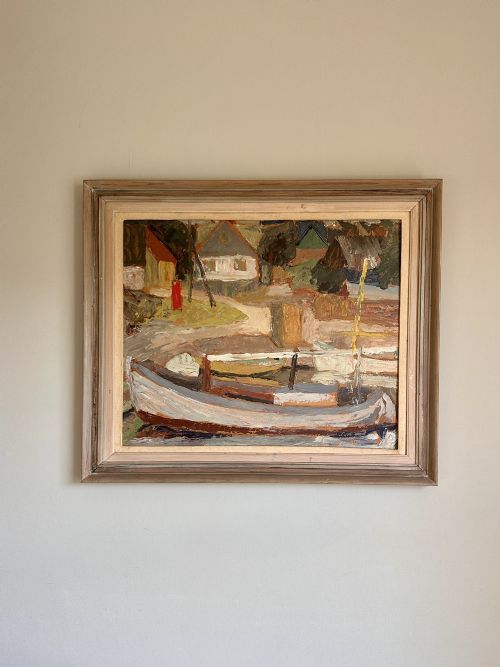
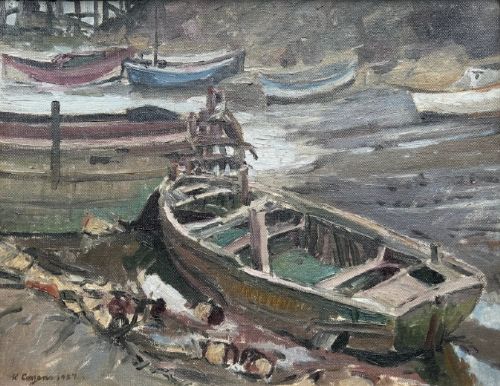
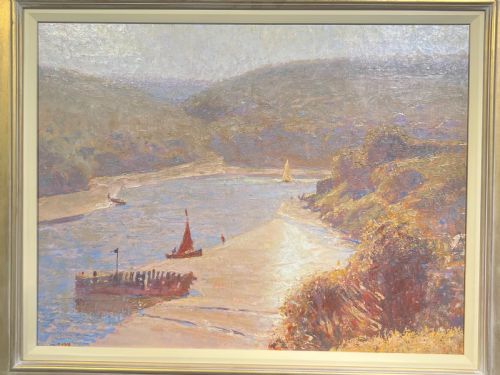
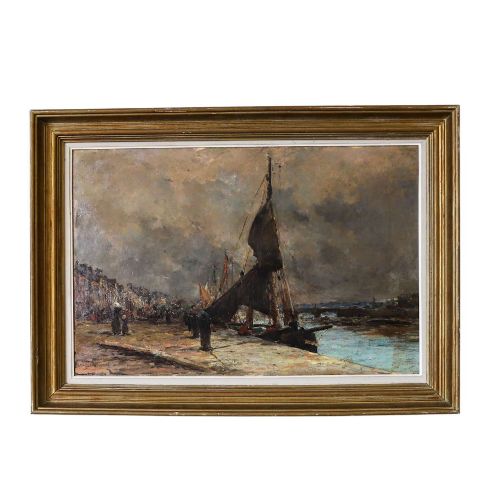
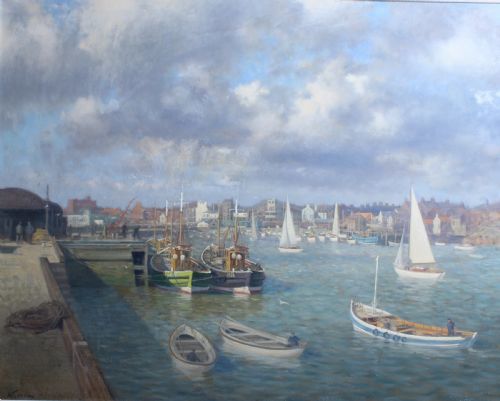
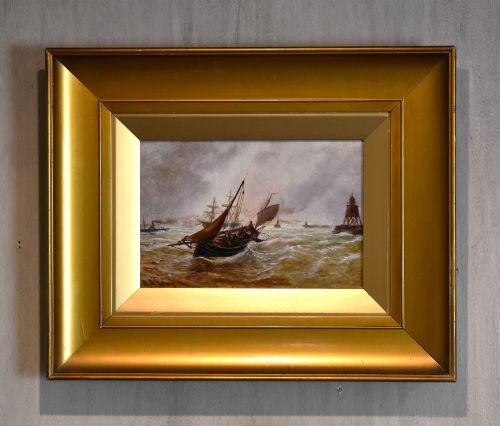
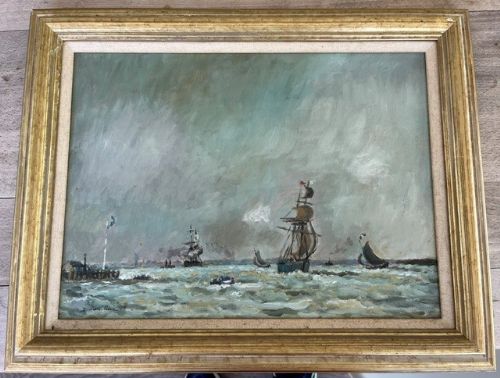
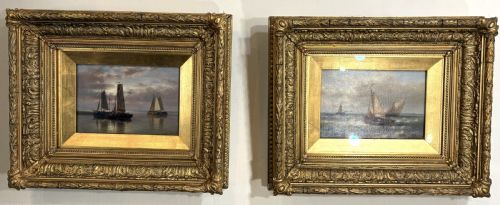
Original oil painting boats comprise maritime scenes, harbour views and river landscapes executed in oil paint. These works depict vessels ranging from fishing smacks and coastal barges to grand sailing ships upon the water.
The selections available span from the nineteenth century through to the mid-twentieth century. Buyers encounter Victorian maritime studies alongside later British and French impressionist interpretations of the sea.
Most pieces portray working harbours, tranquil rivers or stormy coastal waters. Canvases and wooden boards serve as the primary supports for these maritime compositions.
How they were made
Artists painted these works using oil paint applied to stretched canvas, wooden panels or sturdy boards. The medium allowed for rich textures, visible brushwork and subtle blending of marine light.
Many of these paintings reside within their original gilt wood frames. These frames often complement the maritime subject matter with traditional moulded ornamentation.
Original Oil Painting Boats Retail Price Guide 2026
Typical asking prices for original oil painting boats among the pieces listed under this phrase on Sellingantiques today, from the lower quarter to the upper quarter. They describe what is for sale here now, not the wider market.
The listings feature oil paintings on canvas, wood and board, spanning the nineteenth century and the mid-twentieth century.
What varies in quality
Quality rests upon the artist's handling of atmosphere, light and movement upon the water. The finest works capture the weight of sea air and the specific character of coastal weather.
Compositional balance and the confident application of pigment distinguish accomplished maritime painting from simpler decorative studies. Mastery over tone and maritime architecture elevates a canvas.
William Calcott Knell·Bernard Benedict Hemy·Abraham Hulk I·Gustave De Bréanski·Edward Seago·Armand Guillaumin
The Original Oil Painting Boats Glossary
- Impressionism
- A nineteenth-century painting style characterised by relatively small, thin yet visible brush strokes and an emphasis on accurate depiction of light. This approach suited the shifting reflections of water and harbour scenes.
- Canvas
- A closely woven fabric used as a surface for oil painting, typically stretched over a wooden frame. It remains the most common support found in these maritime works.
- Post-Impressionism
- A predominantly French art movement that developed from about 1886 to 1905, extending impressionism while rejecting its limitations. Artists sought to express emotion rather than mere optical observation.
Original Oil Painting Boats: Frequently Asked Questions
How do I date an oil painting of boats?
Dating relies upon stylistic clues, the type of canvas or board used, and framing materials. Signatures and biographical details of the artist also provide firm chronological markers.
Changes in vessel design and maritime clothing depicted in the scene often help narrow the period of execution.
Where should I hang a marine oil painting?
These works suit rooms with stable humidity and indirect natural light. Avoid placing oil paintings in direct sunlight or above active heat sources.
Matching the gilt frame to existing interior woodwork enhances the display of coastal and harbour scenes.
What is the difference between canvas and board supports?
Canvas provides a flexible surface stretched over a wooden frame, offering slight give under the brush. Board or wood panels provide a rigid surface that withstands pressure without flexing.
Both supports have been utilised across the nineteenth and twentieth centuries for maritime art.