
Original Monochrome Artwork
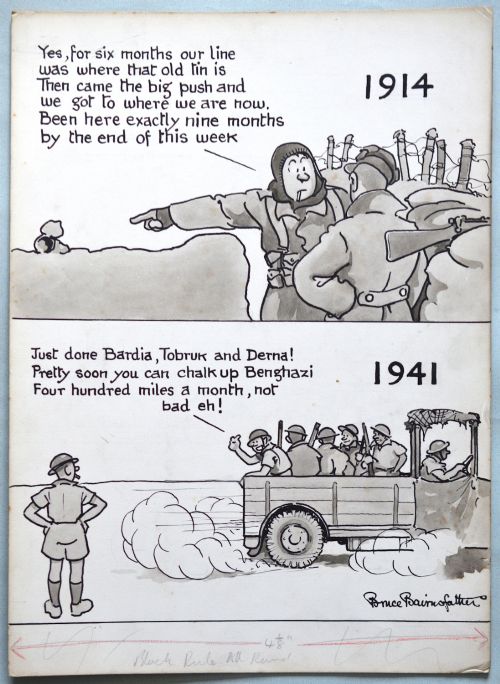
Original monochrome artwork brings together pencil drawings, charcoal sketches, and early etchings defined by tonal depth rather than colour.
Original Monochrome Artwork
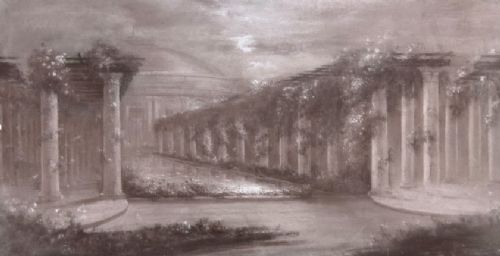
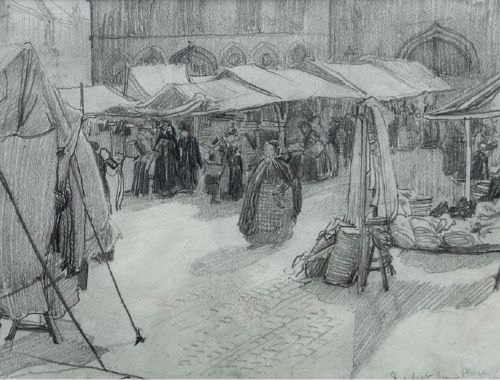
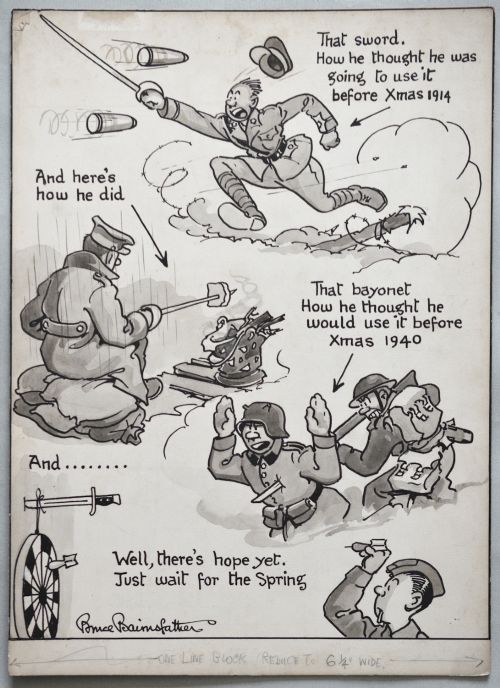
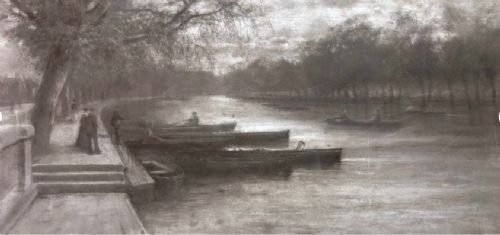
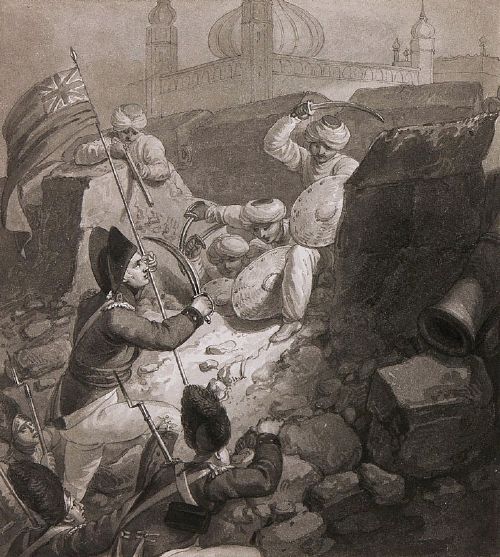
Original monochrome artwork encompasses works created in single-colour mediums such as ink, charcoal, graphite, and wash across the eighteenth, nineteenth, and twentieth centuries. Buyers seeking original monochrome artwork will find hand-drawn landscapes, portraits, and architectural studies spanning Georgian, Victorian, and mid-century periods.
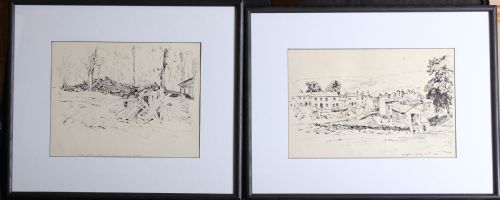
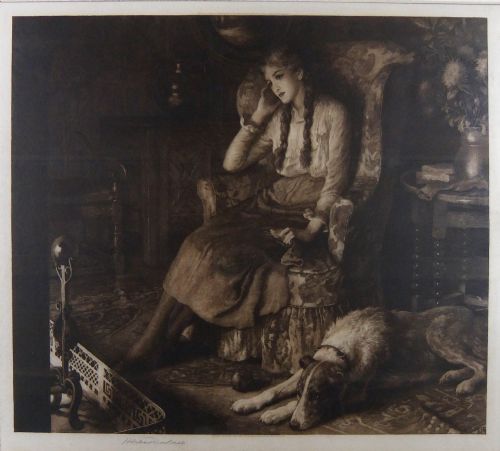
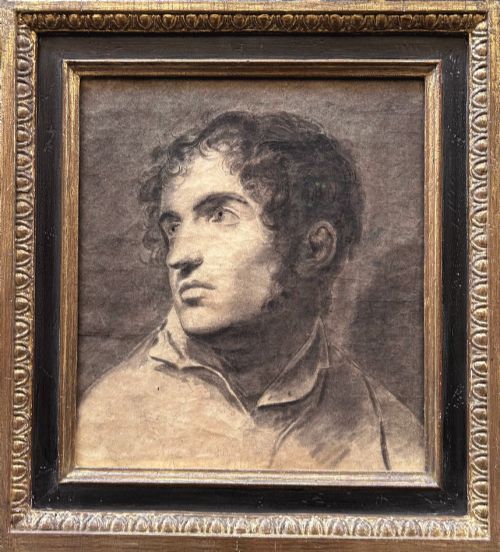
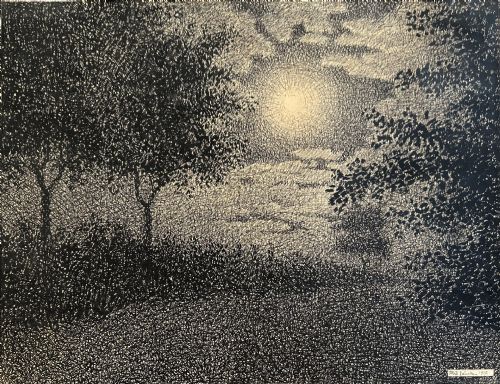
The selections available range from detailed academic life studies and delicate pencil sketches to large charcoal landscapes influenced by tonalism. These pieces appear on paper, vellum, and canvas, frequently preserved behind glass within period frames.
How they were made
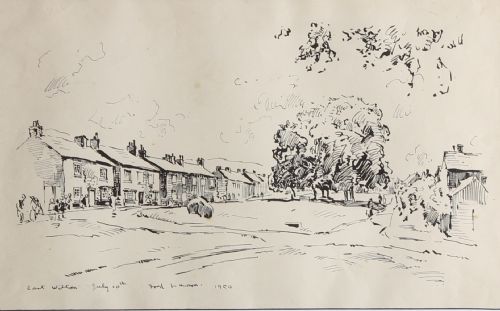
Artists applied dry mediums like charcoal, graphite, and chalk onto paper or prepared canvas surfaces, relying on smudging, hatching, and precise line work to build shadow and form. Wet mediums such as pen and ink, wash, and gouache offered fluid transitions between deep blacks and pale greys.
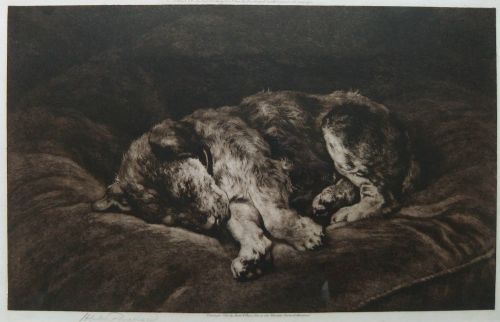
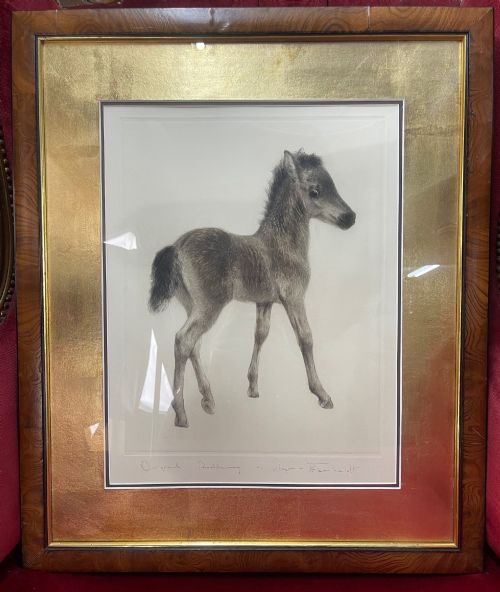
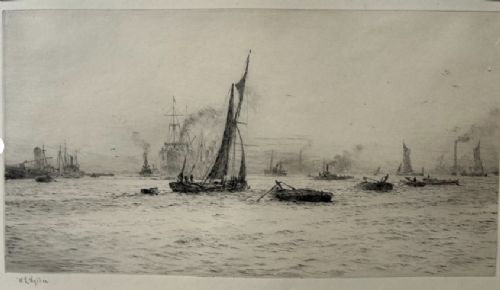
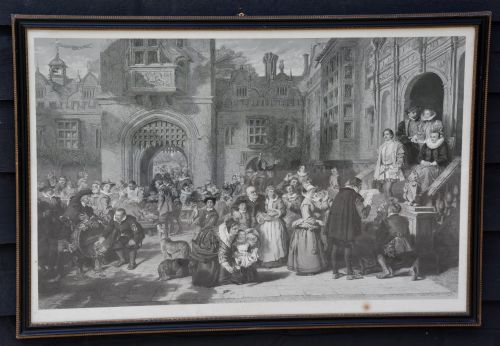
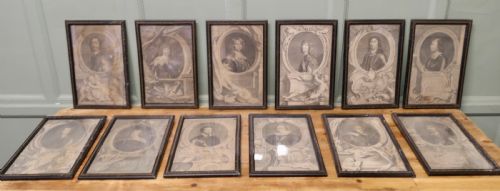
Printmakers utilised metal plates for etchings and drypoints, incising lines directly into the surface before applying ink and pressing the image onto paper or vellum. Engravings required cutting precise grooves into plates with a burin, producing sharp, controlled lines.
The selection includes signed artist proofs, academic life studies, and topographical landscape drawings on paper and vellum.
What varies in quality
Quality rests in the sureness of the hand and the sensitivity of the tonal range, distinguishing confident master strokes from hesitant or formulaic drafting. The preservation of the paper support, the clarity of the plate impression in etchings, and the subtlety of light and shadow dictate the visual strength of each piece.
Herbert Dicksee·Bruce Bairnsfather·Fred Lawson·William Lionel Wyllie·Kurt Meyer-Eberhardt·Dame Laura Knight
The Original Monochrome Artwork Glossary
- Etching
- A printmaking technique where an artist scratches a design through a protective ground on a metal plate, which is then submerged in acid to bite the lines before printing. This process allows for fluid, expressive line work.
- Wash
- A technique involving diluted ink or watercolour applied with a brush to create smooth, transparent areas of tone and shadow. It is frequently combined with pen or pencil work in landscape sketches.
- Drypoint
- A printmaking method where the artist scratches directly into a metal plate with a sharp needle, raising a rough ridge of metal called burr. This burr catches the ink to produce velvety, rich lines.
- Vellum
- A fine parchment made from prepared calfskin, providing a smooth, durable surface for delicate ink and pencil work. It was often utilised for artist proofs and special editions.
- Charcoal
- A drawing material made from burnt organic matter that produces deep, matte blacks and easily smudged tones. It allows artists to achieve dramatic chiaroscuro and atmospheric effects.
Original Monochrome Artwork: Frequently Asked Questions
How should I frame an antique drawing?
Antique drawings on paper require conservation-grade mounting materials and UV-resistant glass to prevent fading and chemical degradation over time. Keeping the paper away from direct contact with the glazing preserves the delicate charcoal or graphite surface.
Traditional wood frames, including period Hogarth mouldings, complement the historical aesthetic of these works while housing modern protective backing boards securely.
What is the difference between an etching and an engraving?
An etching relies on acid to bite the lines into a metal plate through a protective wax ground, resulting in free and expressive strokes. An engraving involves manually cutting lines into the metal using a sharp tool called a burr, creating crisper and more disciplined geometry.
Both techniques produce original monochrome impressions, but the microscopic characteristics of the lines reveal the specific method used by the printmaker.
How do I care for works on paper?
Works on paper demand stable environmental conditions with moderate humidity and protection from direct sunlight to prevent yellowing or embrittlement. Displaying them away from heat sources ensures the paper fibres and underlying media remain stable.
Routine inspection of the framing seals prevents dust and insect ingress, safeguarding the integrity of the drawing or print for decades.
How can I tell the period of a sketch?
Paper characteristics, watermark evidence, and framing styles often provide reliable clues to the age of an uncredited drawing or sketch. Stylistic conventions, such as Victorian narrative realism or Georgian academic proportion, further narrow down the era of execution.
Comparing the handling of the medium to known dated examples from the same century confirms the historical context of the piece.