




Original Maritime Paper Painting
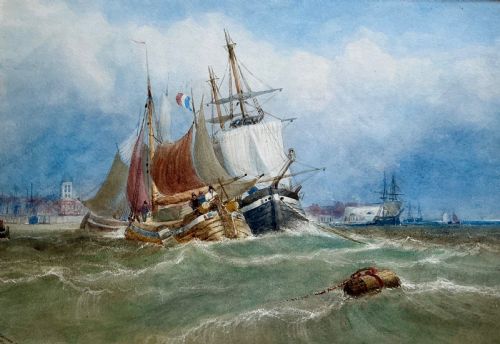
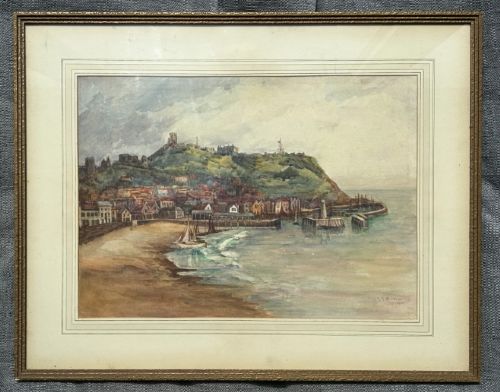
When you search for an original maritime paper painting, you are looking at watercolours and works on paper depicting coastal scenes, harbours and shipping from the nineteenth and twentieth centuries.
Original Maritime Paper Painting
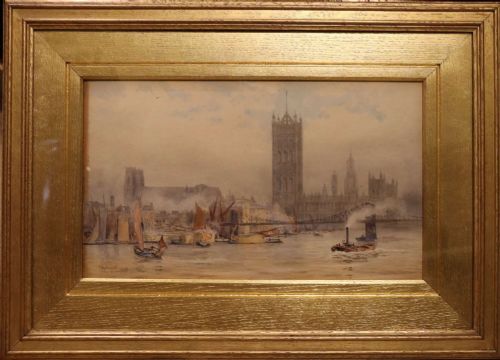
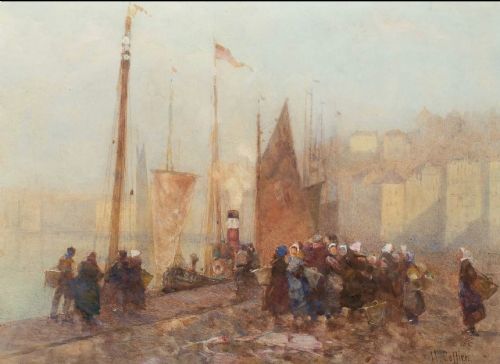
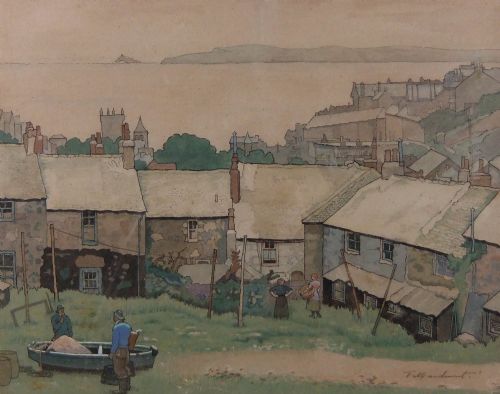
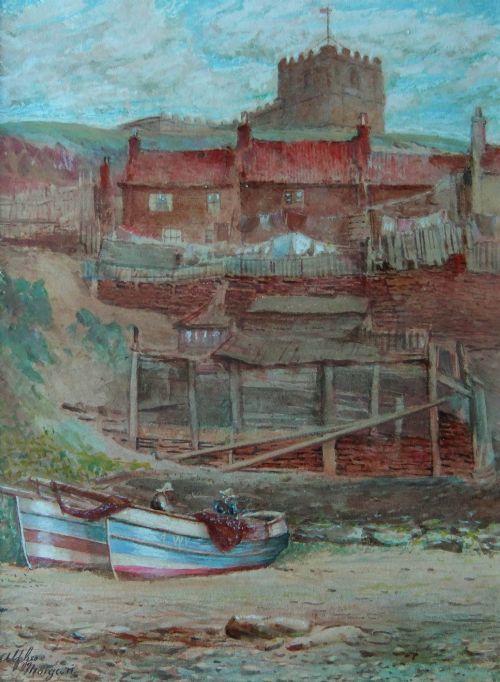
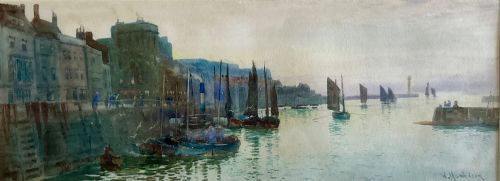
An original maritime paper painting captures coastal life, harbour views, and shipping scenes primarily through the medium of watercolour. When exploring this selection, you will encounter works spanning from the late nineteenth century through to the mid twentieth century, reflecting various British coastal locations such as Whitby, St Ives, and Scarborough.
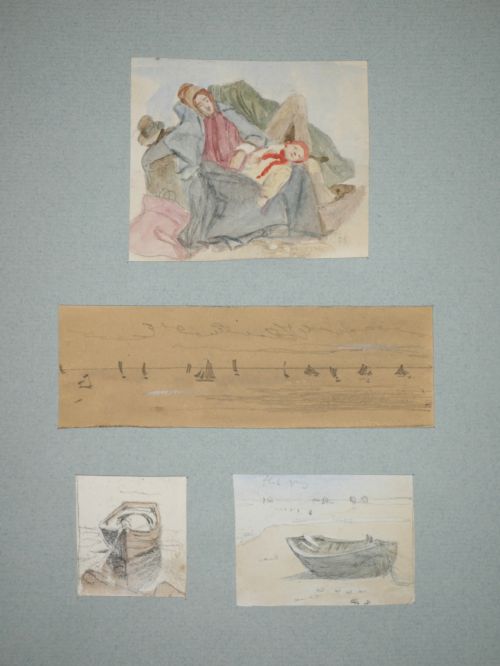
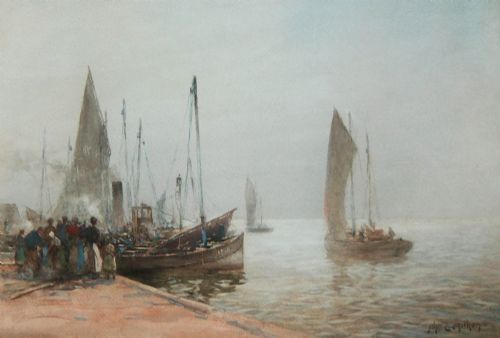
The pieces often feature traditional subjects including fishing vessels, sailing ships, and dramatic tidal harbours rendered with a distinct regional character. Many examples belong to broader stylistic movements like Victorian marine art, British Impressionism, and Edwardian coastal sketching traditions.
These works serve as historical records of maritime communities, capturing the daily routines of fishermen, historic dockyards, and coastal architecture. Buyers are drawn to these paintings for their direct connection to maritime heritage and the delicate luminosity achievable on paper.
Materials and technique
Artists working in this field relied principally on watercolour pigment applied to absorbent paper, sometimes utilising ink for fine linear definition and pastel for added texture. The transparency of the wash allowed the natural tone of the paper to function as highlights, particularly when depicting foaming sea spray or misty coastal light.
These works were typically created using a combination of wet-into-wet washes for expansive skies and water, alongside controlled brushwork for the intricate rigging of ships and architectural details. Protective framing behind glass with wooden surrounds helped preserve the delicate pigments from moisture and fading over time.
Several depictions capture bustling Yorkshire fishing ports where gulls likely competed with the artists for the best view of the incoming catch.
Distinguishing quality across the range
Quality in these works on paper rests upon the artist's confident handling of light, atmospheric perspective, and movement within the water. Superior examples display a decisive economy of brushstrokes that convey motion and weather without heavy reworking.
The strength of the composition and the accurate depiction of maritime architecture or vessel rigging further elevate a piece. Top-tier works maintain vibrant colour harmonies and tonal balance despite the age of the paper support.
H. Medlycott·James Orrock·James Smetham·James E. Aitken·Hector Caffieri·Thomas Maidment·Alfred G. Morgan·William Matthison·Henry Barlow Carter·F A Roylance·George F Pennington·William Frederick Settle·Commander Eric Tufnell·Thomas Bush Hardy·Edward Seago·Robert Leslie Howey·Tom Clough·William Tuck·James Watson·Frank H. Mason·George Hamilton Constantine·Frederick William Hattersley·James Thomas Watts·John Mitchell·Samuel Owen
The Original Maritime Paper Painting Glossary
- Watercolour
- A painting method where paint is made of pigments suspended in a water-based solution. It is traditionally applied to paper to create translucent layers of colour.
- Wash
- A thin, fluid layer of watercolour paint spread evenly across the paper. It is frequently employed to render expansive skies or open stretches of sea.
- Seascape
- A work of art depicting the sea, coastal views, or marine shipping. These subjects formed a central focus for many nineteenth and twentieth century British painters.
- Fixative
- A liquid spray applied to pastel or charcoal works to prevent smudging. It binds the loose particles securely to the paper surface.
- Provenance
- The documented history of ownership surrounding a work of art. It helps verify authenticity and provides a record of where the piece has resided.
Original Maritime Paper Painting: Frequently Asked Questions
What is an original maritime paper painting?
These are authentic hand-painted artworks executed on paper supports, focusing specifically on marine and coastal subjects. They capture ships, harbours, and seascapes primarily through the medium of watercolour.
Created across the nineteenth and twentieth centuries, these pieces offer a direct window into historical coastal life and maritime activity.
How should I display watercolour art safely?
Watercolours require careful framing behind glass to protect the paper and pigments from atmospheric moisture, dust, and handling. Archival mounting materials prevent direct contact with the glass.
Position your framed artwork away from direct, strong sunlight to prevent the watercolour pigments from fading over the years.
How do I identify the period of a painting?
Dating often relies on artist signatures, framing styles, inscriptions on the reverse, and the clothing or ship types depicted within the scene. Costume and vessel architecture changed noticeably between the Victorian era and the mid-twentieth century.
Examine the paper type and any visible studio stamps or gallery labels for additional chronological clues.
Why are maritime themes so common?
Britain's deep economic and cultural ties to the sea made coastal scenes and shipping a popular subject for generations of artists. Harbours provided dynamic scenes of working boats, changing tides, and bustling trade.
Artists were naturally drawn to the shifting light and atmospheric weather conditions found along the coastline.