


20th Century Watercolour Picture
A 20th century watercolour picture captures landscapes, coastal scenes and intimate portraits through fluid pigment on paper.
20th Century Watercolour Picture
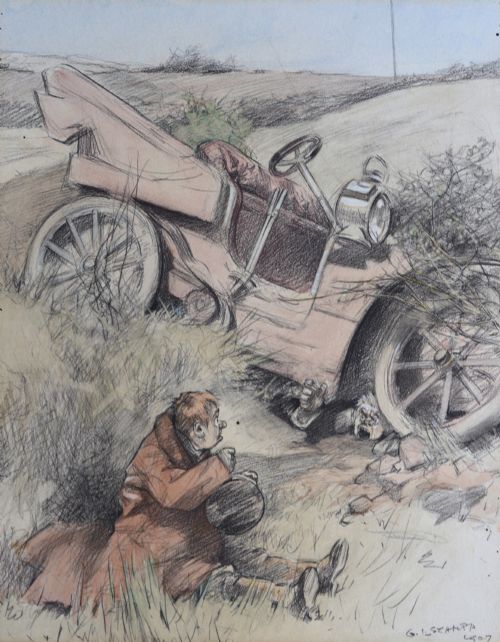
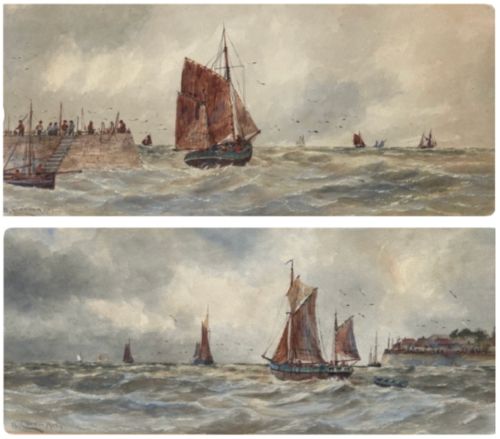
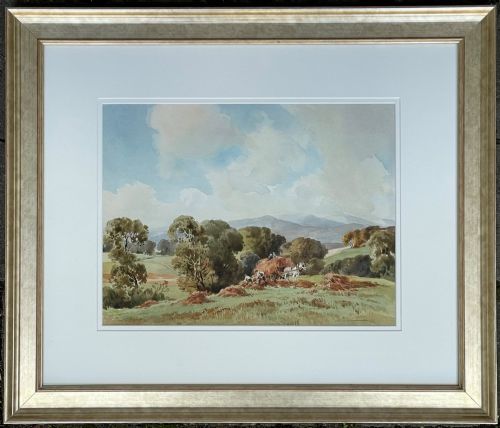
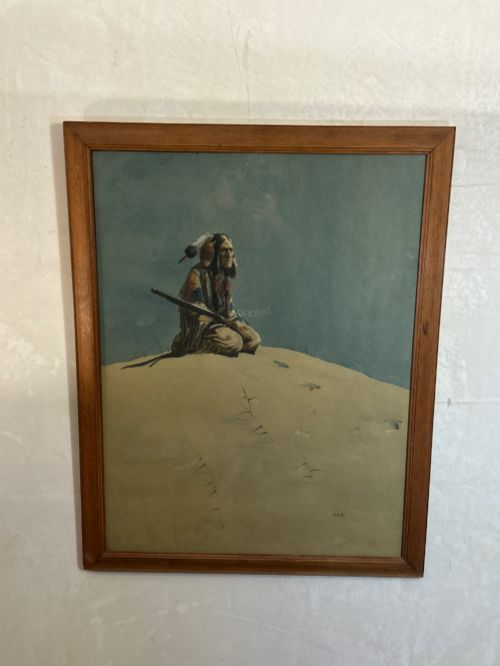
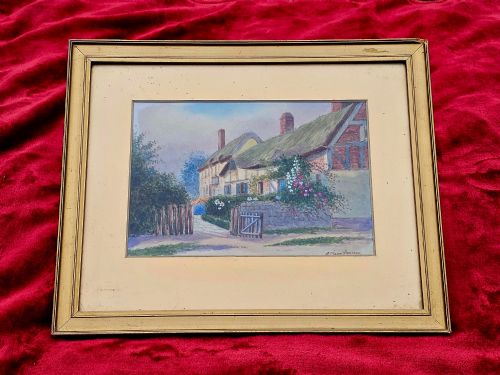
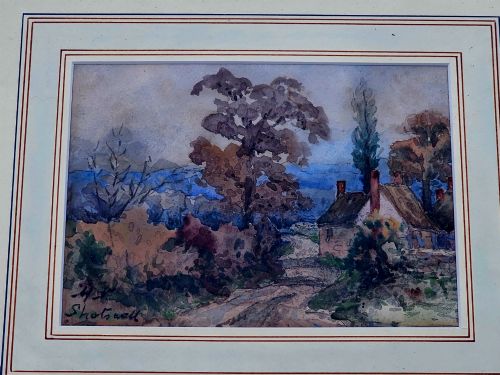
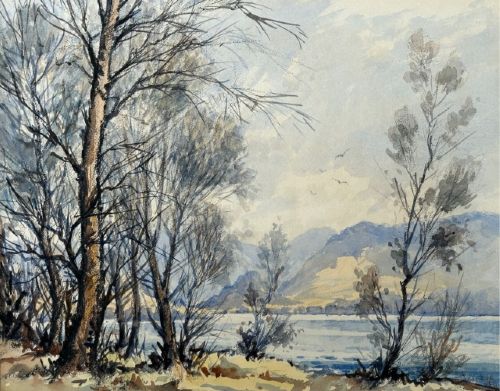
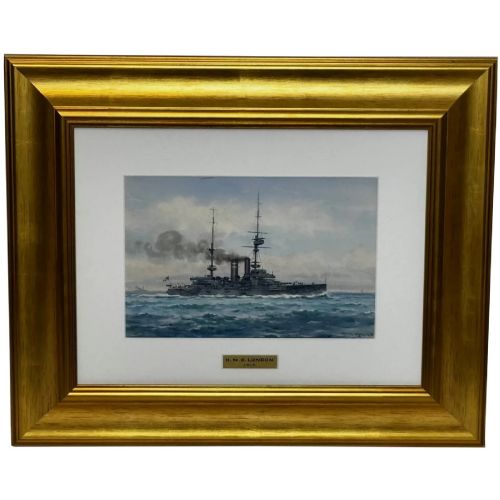
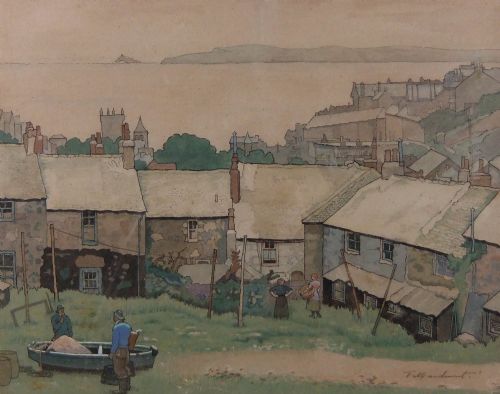
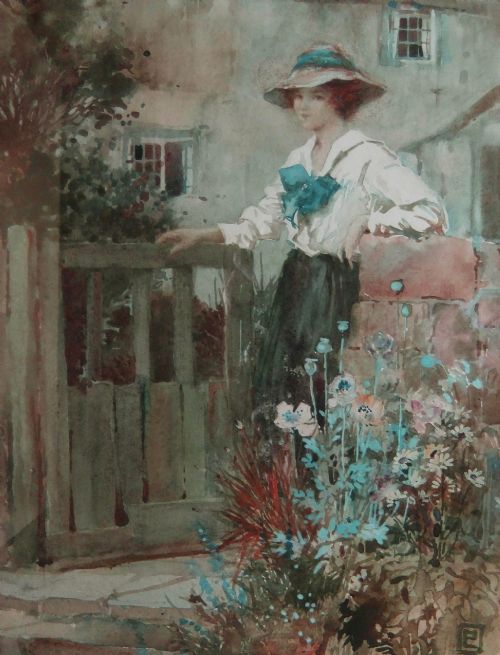
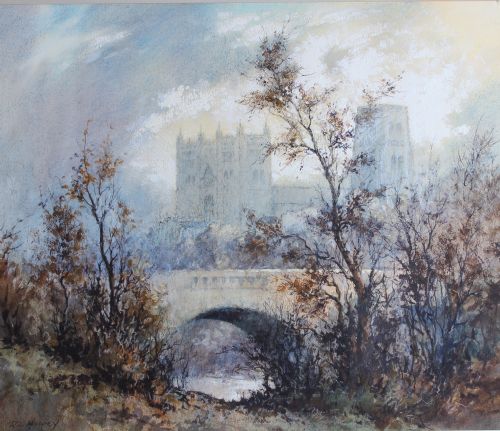
A 20th century watercolour picture encompasses framed artworks produced across several distinct decades, ranging from Edwardian compositions to mid-century modern pieces. These works include landscape watercolours, marine scenes, architectural views and portraiture created by British artists. Buyers will frequently encounter depictions of rural fields, harbour views and coastal waters spanning the 1900s through the 1960s.
Materials and technique
These works rely on watercolour pigment applied to paper, occasionally augmented with gouache or gold leaf to build opacity and highlight details. Artists utilised brushes to wash dilute pigments across the sheet, capturing transient effects of light in marine and landscape subjects. Wood and glass form the protective framing structures that preserve these delicate works.
Techniques range from rapid plein-air impressionist sketches to highly detailed interior and architectural studies. The interaction between transparent watercolour pigment and the white surface of the paper creates luminosity within each composition.
The listings span from Edwardian works of 1900 through to mid-century modern pieces dated up to 1960.
Distinguishing quality
Quality rests in the assured handling of pigment and the artist's ability to capture atmospheric light and movement within a scene. Stronger works demonstrate confident brushwork and precise tonal control, particularly in complex subjects like marine rigging, architecture or landscape foliage. The preservation of the paper and the integrity of the original frame also influence the overall standing of a piece.
George Lorain Stampa·Percy Lancaster·John Hassall·Frank Watson Wood·John Rattenbury Skeaping
The 20th Century Watercolour Picture Glossary
- Watercolour
- A painting method where paint is made of pigments suspended in a water-based solution. The technique relies on transparency and the reflective quality of the underlying paper.
- Gouache
- An opaque water-based paint that includes a white pigment filler, creating a heavier and less transparent finish than standard watercolour. Artists often combine gouache with watercolour for added contrast.
- Impressionist
- A style focusing on the visual impression of a moment, especially regarding shifting light and colour. Works in this manner prioritize loose brushwork over rigid detail.
- Marine watercolour
- A painting genre dedicated to ships, coastal views and open seas. These works document naval vessels, fishing boats and harbours.
20th Century Watercolour Picture: Frequently Asked Questions
How should I hang a watercolour?
Watercolour paintings require protection from direct sunlight to prevent the pigments from fading over time. Position them on interior walls away from moisture and extreme temperature fluctuations.
Ensure the frame maintains a proper barrier between the glass and the paper surface to prevent condensation damage. Professional framing with acid-free materials safeguards the longevity of the artwork.
What subjects are most common?
Landscapes and coastal marine scenes dominate the selection, reflecting the enduring popularity of rural and seaside topography among British artists. You will also encounter architectural views, floral still lifes and figurative interior studies.
Many pieces document specific locations across Britain, from Yorkshire dales and Scottish highlands to Cornish harbours and Isle of Man vistas.
Are these works signed?
Many pieces bear the signature or monogram of the artist, while others remain unsigned examples of the period. Signed works often link directly to known practitioners of British watercolour painting.
Signatures typically appear in the lower corners of the composition, sometimes accompanied by dates that help place the artwork within a specific decade.
How do I identify the period?
Stylistic cues, framing materials and recorded artist lifespans help determine the era of a watercolour. Edwardian and early 20th century works often display traditional academic techniques or early impressionist influences.
Mid-century pieces shift toward freer brushwork and bolder palettes reflecting modern British art movements of the 1940s and 1950s.