



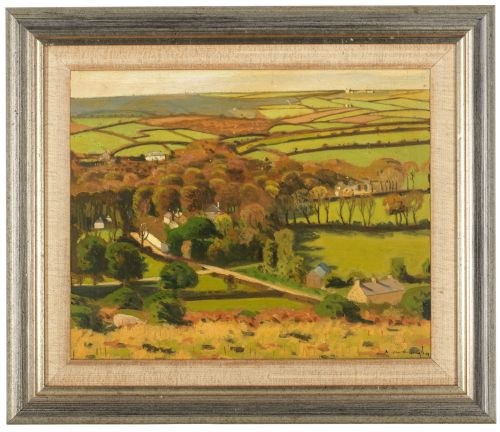
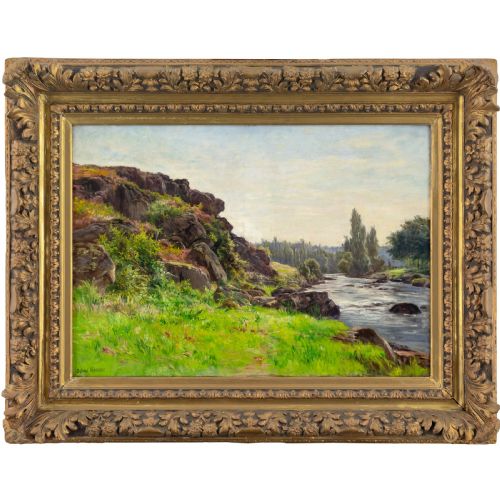
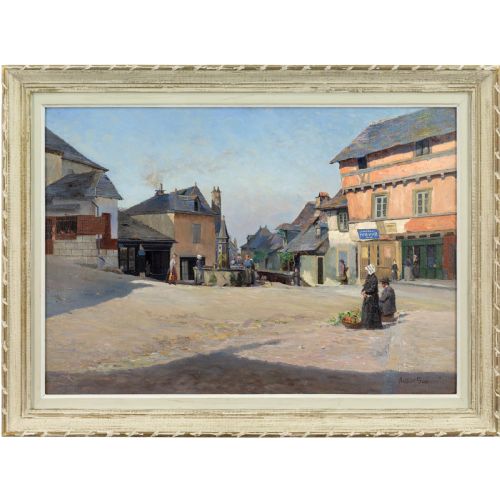
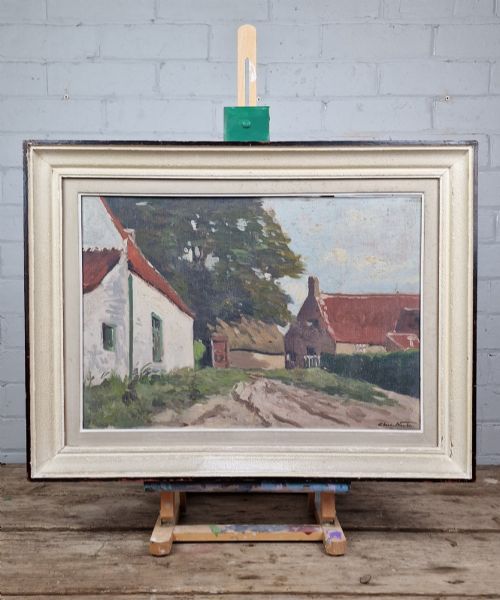
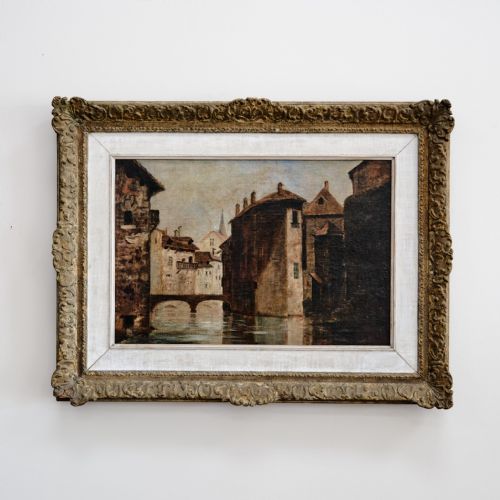
Original Impressionist Landscape Painting
An original impressionist landscape painting captures light and weather through broken brushwork, offering a direct window into the open-air vitality of past centuries.
Original Impressionist Landscape Painting
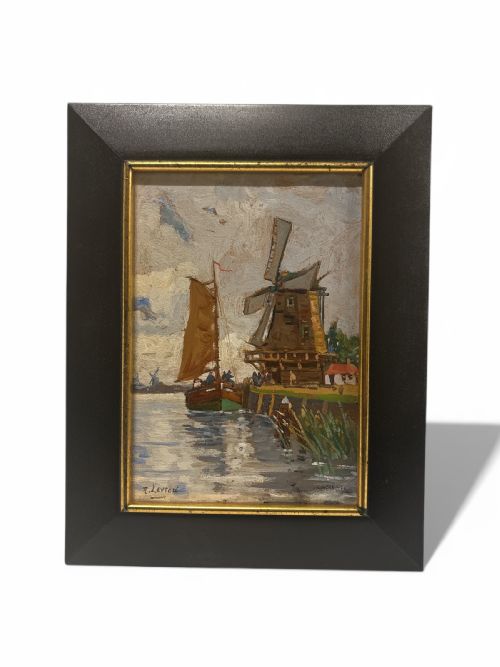
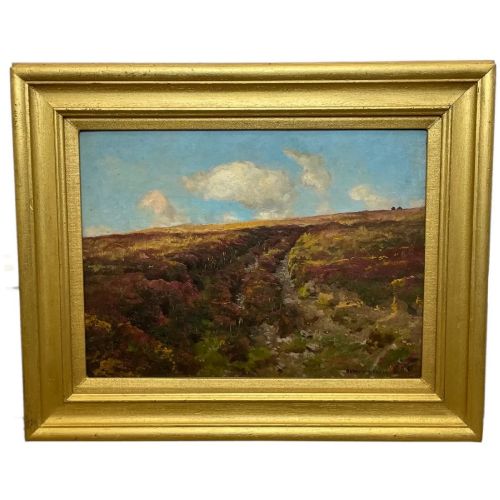
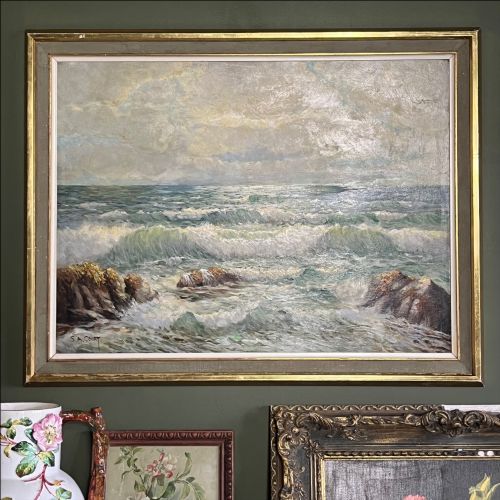
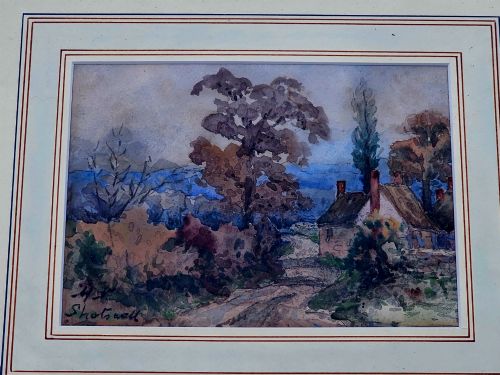
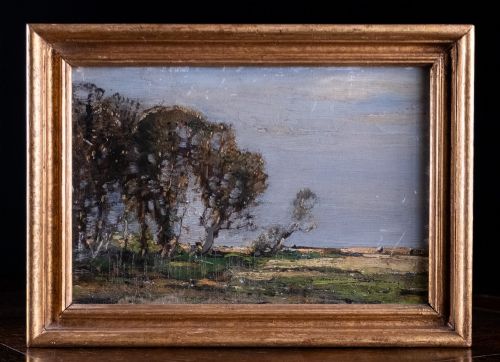
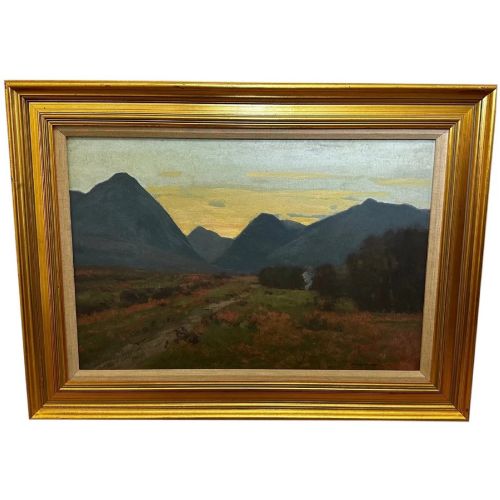
An original impressionist landscape painting records scenery from coasts, riversides, and rural villages created during the nineteenth and twentieth centuries. These works emerge predominantly from British, French, and Belgian traditions, capturing fleeting atmospheric effects and domestic rural scenes.
Most examples encountered here utilise canvas, wood, or board as a support for oil or watercolour pigments. Painters favoured working en plein air to register immediate colour relationships under natural daylight.
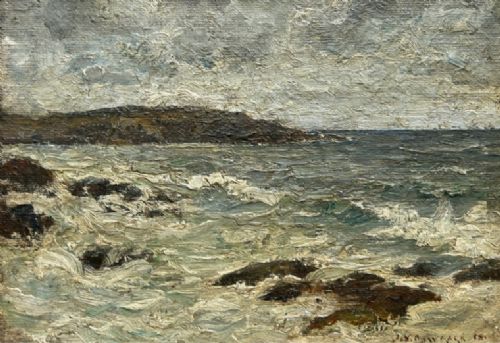
The visual vocabulary ranges from tightly controlled Post-Impressionist compositions to vigorous impasto treatments of rocky coastal vistas and quiet farmyards.
Materials and Technique
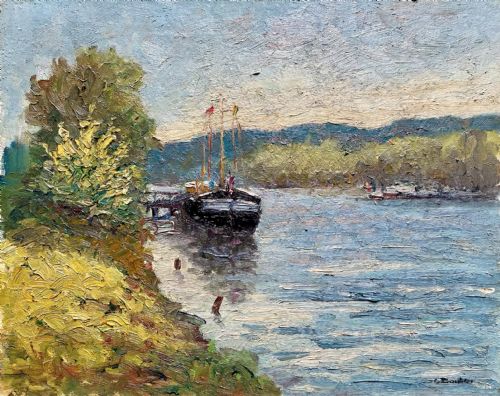
Pigments were applied directly to canvas, wood panels, or paper boards using loaded brushes and palette knives. This method generated visible, tactile textures known as impasto.
Artists often worked outdoors to observe changing shadows and light, recording Cornwall harbours, French riverbanks, and Dutch canals with rapid strokes rather than blended transitions.
The listings span from the nineteenth century through the 1960s, utilising oil, watercolour, canvas, wood, and paper.
Assessing Quality and Execution
Mastery is evident in how an artist balances tonal relationships and spatial depth using broken colour rather than hard outlines. Stronger examples demonstrate confident handling where individual brushstrokes contribute entirely to the illusion of light and atmosphere.
Weaker works often rely on formulaic mark-making that flattens the composition and fails to engage with the specific conditions of the scene.
George Graham·Clifford Hanney·Arthur Wardle·Kershaw Schofield·George Houston·William Banks Fortescue·Robert Morson Hughes·Gabriel Mathieu·Arthur Gué·Charles Houben·Antonio DeVity·Clive Browne·Hector Caffieri·Lucy Pratt·Ernest Higgins Rigg·John Hodgson Lobley·Sir Alfred East·Donald McIntyre
The Original Impressionist Landscape Painting Glossary
- Impasto
- Paint applied thickly to a canvas or board, leaving prominent brush or palette knife marks that stand out from the surface.
- En plein air
- The practice of painting outdoors directly from the subject to capture transient effects of natural light.
- Post-Impressionism
- An artistic movement following impressionism that explored emotional response and structural form through bolder colours and defined contours.
- Gilt
- A thin layer of gold applied to frames to enhance the presentation of the artwork.
Original Impressionist Landscape Painting: Frequently Asked Questions
What defines an original impressionist landscape painting?
These works are defined by visible brushwork, an emphasis on natural light, and subjects drawn from nature, ranging from coastal waters to rural farmlands.
Created during the nineteenth and twentieth centuries, they rely on direct observation rather than studio convention.
How were these landscape paintings created?
Artists typically applied oil or watercolour paints onto canvas, wood panels, or boards, frequently working outdoors.
This technique allowed them to capture specific atmospheric conditions and shifting daylight quickly.
How should I display an antique landscape painting?
Keep the artwork away from direct sunlight and fluctuating humidity to protect the pigments and canvas supports.
Pairing the piece with a complementary gilt or wood frame helps preserve its historical character.
How can I tell different painting periods apart?
Earlier nineteenth-century works often employ more restrained palettes, whereas twentieth-century pieces frequently experiment with bolder impasto and Post-Impressionist forms.
Signatures, framing materials, and artist biographies provide additional context for dating.