
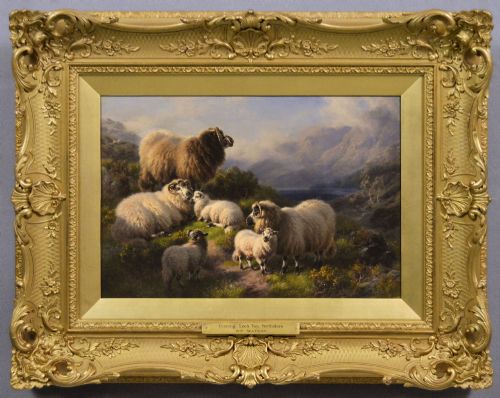
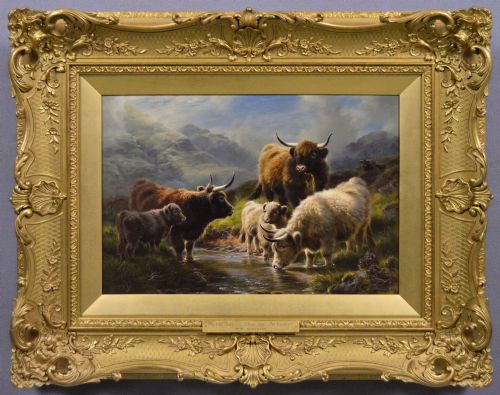
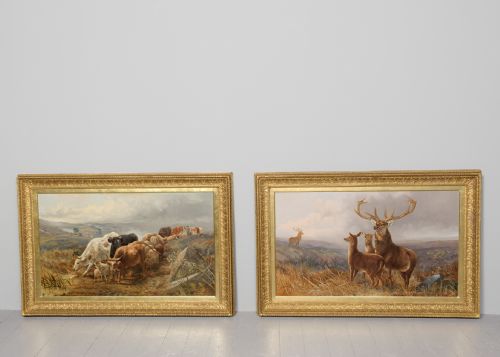
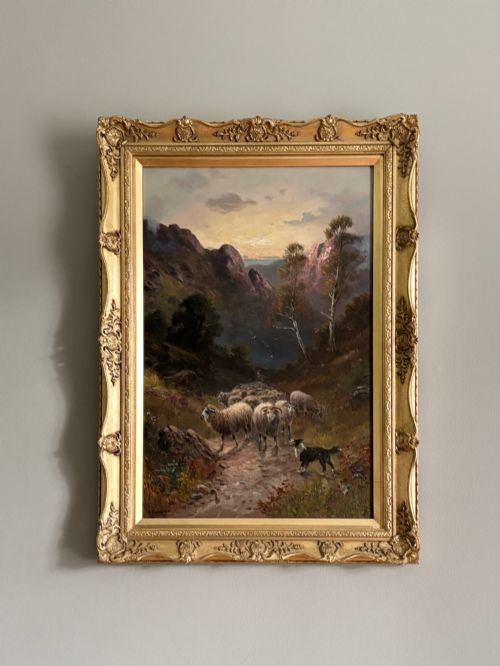
Canvas Scottish Landscape Painting
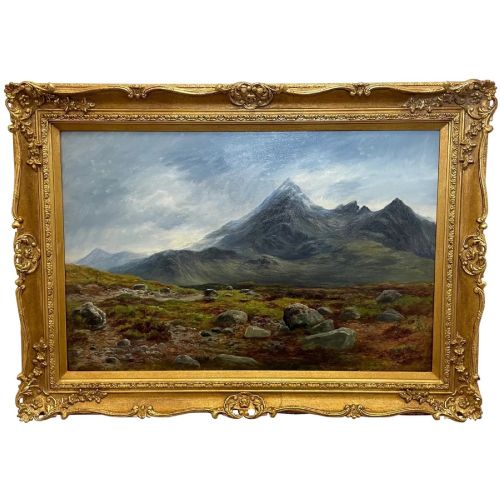
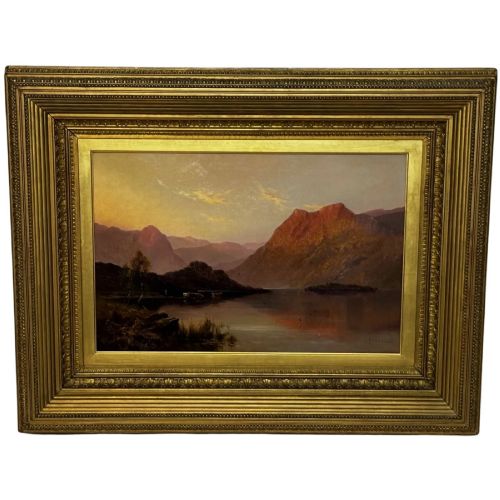
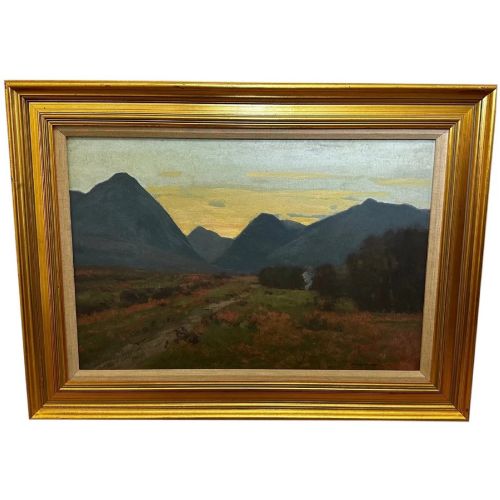
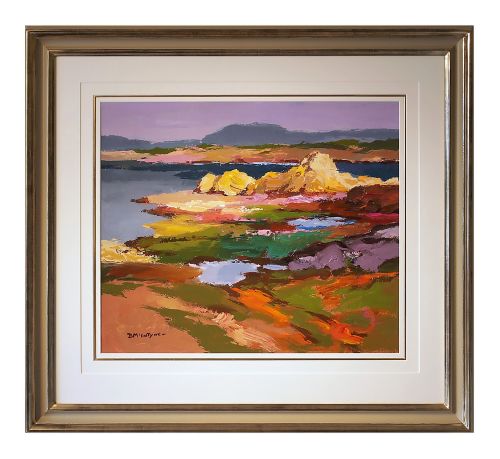
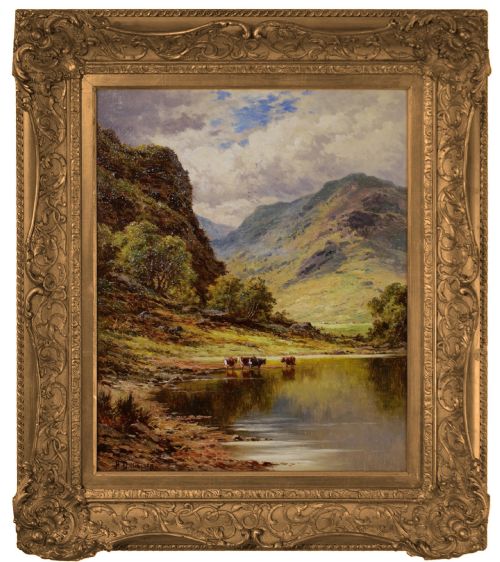
A canvas scottish landscape painting captures the rugged terrain, quiet lochs and dramatic atmospheric light of the north through traditional oil on canvas compositions.
Canvas Scottish Landscape Painting
A canvas scottish landscape painting brings the topography of the Highlands, lochs and coastal regions into interior spaces through historic regional fine art. Buyers select these works to introduce depth, local history and painterly realism onto interior walls.
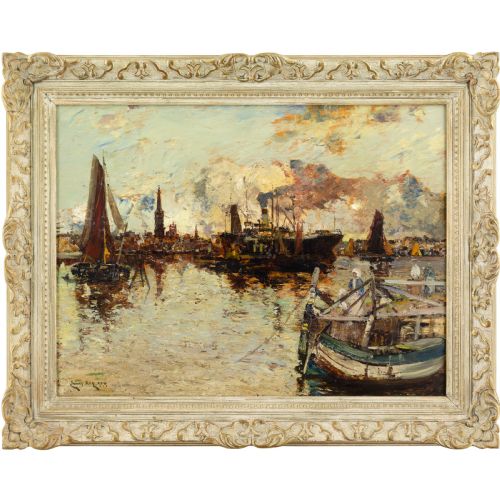
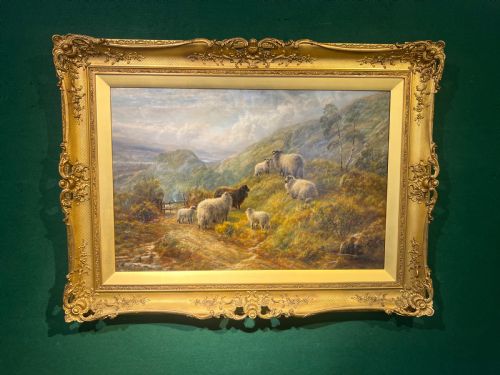
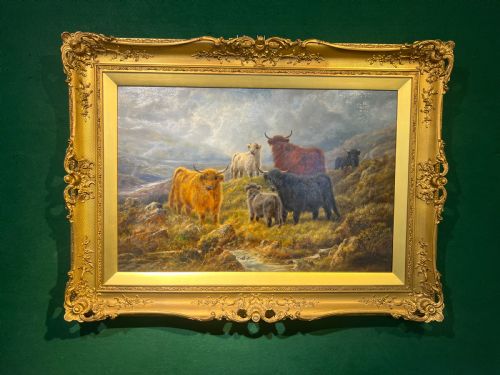
Most examples encountered here span the Victorian era through the early twentieth century, reflecting nineteenth-century romanticism and later impressionistic interpretations. Common subjects feature pastoral scenes with cattle, sheep resting by watersides, and imposing mountain ranges.
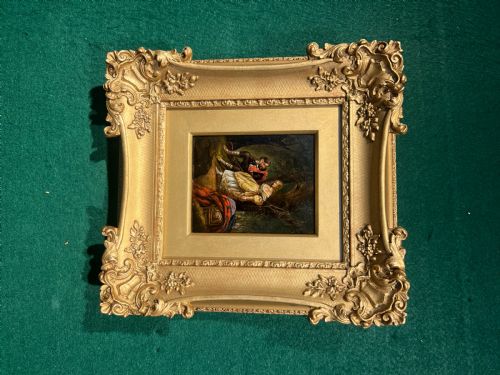
Surviving formats range from intimate cabinet pieces to large framed wall art designed for principal reception rooms. Makers documented within these schools often utilised traditional stretchers and heavy giltwood frames to present their regional scenery.
How They Were Made
Artists built these works utilising oil paint applied across stretched woven fabric supports, often secured to wooden stretchers. Selected panels additionally show canvas laid onto board or reinforced supports for added stability.
Finishing treatments frequently involved ornamental wood, gesso, and giltwood or gold leaf frames designed to catch natural light and complement the deep pigment tones of the landscape within.
The listings span Victorian, Edwardian, and mid-twentieth-century periods, utilising oil on canvas, wood, gesso, and giltwood.
What Varies in Quality
Quality rests upon the artist's command of atmospheric perspective, handling of changing light over mountainous terrain, and the subtlety of colour mixing within skies and water. Finer examples capture transient weather and specific local topography with confident, expressive brushwork.
The integrity of the original support, the preservation of the pigment layer without extensive overpainting, and the presence of a period matching gesso and giltwood frame significantly elevate a piece.
William Beattie-Brown·Alfred Fontville de Breanski·George Houston·James Kay·Donald McIntyre·Henry H. Parker·Robert Watson·John Macvicar Anderson·Joseph Farquharson·William Watson Jnr·Robert Cleminson·Douglas Cameron·Charles Leslie·Alexander Wellwood Rattray·Everett Watson Mellor·Archibald Kay·Henry Robinson Hall·Thomas Bromley Blacklock·W.E. Evans·Henry Hillier Parker·William Littlejohn·William Grant Murray·John Douglas Perrett·Tom Seymour·T H McKay
The Canvas Scottish Landscape Painting Glossary
- Canvas
- A heavy woven fabric used as a support surface for oil paintings. It is typically stretched tightly across a wooden frame before the artist begins painting.
- Giltwood
- Wood carved and coated with a thin layer of gold leaf or metallic gold paint. Antique frames constructed this way often display intricate ornamentation characteristic of their period.
- Gesso
- A plaster-like mixture applied to wooden frames as a smooth base before gilding. It provides the foundation for detailed moulded decorative elements.
- Impressionism
- An artistic style characterised by relatively small, thin yet visible brush strokes and an emphasis on accurate depiction of light. Scottish variations adapted these principles to local misty terrain and moorlands.
- Stretcher
- The internal wooden framework that holds a painted textile taut. Traditional versions feature corner keys to adjust the tension of the fabric over time.
Canvas Scottish Landscape Painting: Frequently Asked Questions
Were these paintings always framed in giltwood?
Many nineteenth-century works were paired with ornate gesso and giltwood frames designed to complement the romantic tone of the landscape. These heavy surrounds enhanced the perceived depth and importance of the artwork.
Subsequent framing choices by later owners are also common. Matching a canvas with an appropriate period frame helps preserve its historical context.
How can I tell a Victorian painting from a later work?
Victorian landscapes frequently lean toward academic realism, highly detailed Highland scenes, and dramatic weather effects. The stretchers, canvas texture and framing materials often reflect nineteenth-century manufacturing methods.
Twentieth-century examples, including those influenced by impressionism, typically display looser brushwork and brighter palettes. Maker signatures and dated inscriptions also assist in establishing chronology.
Where should I hang a large landscape painting?
These works require stable interior walls away from direct sunlight, excessive moisture and sudden temperature fluctuations. Hanging them above fireplaces or in damp rooms can warp the wooden stretcher and crack the oil paint.
Providing adequate wall space allows large-scale pieces to be viewed comfortably from a distance. Natural indirect lighting helps reveal the subtle tonal shifts in the sky and water.