

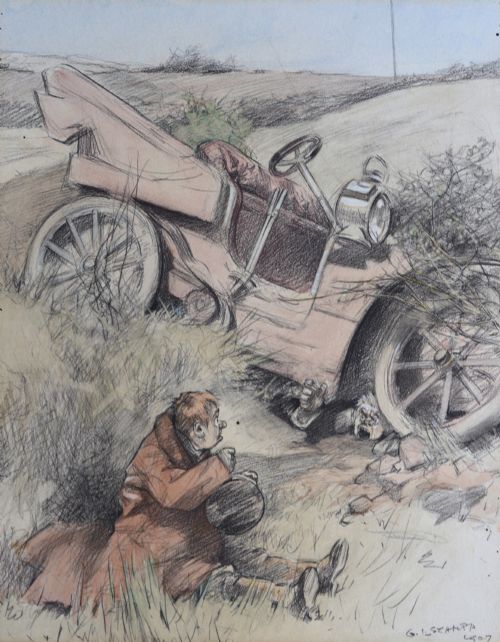
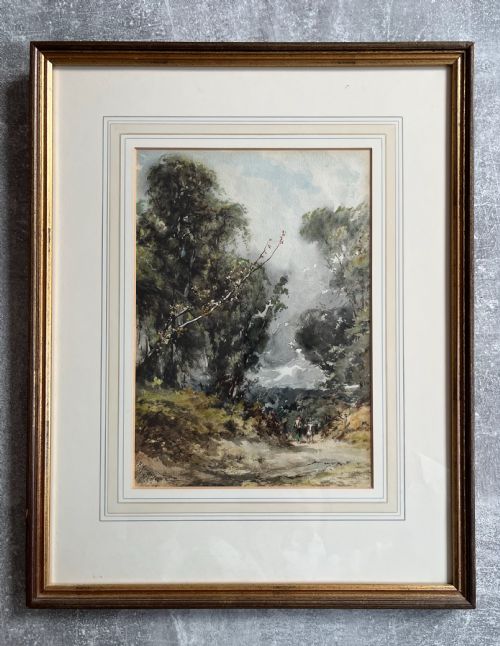
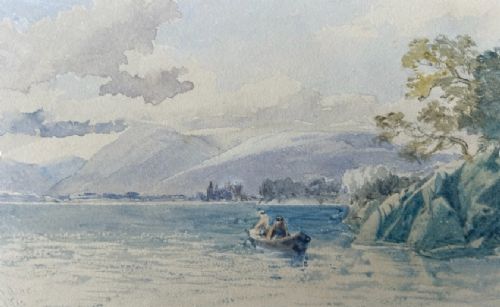

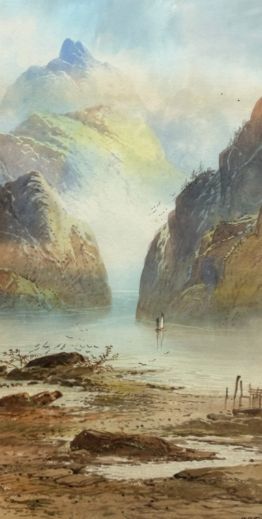


Original Watercolour Artwork Painting
When you search for original watercolour artwork painting, you find works on paper spanning the nineteenth and twentieth centuries.
Original Watercolour Artwork Painting
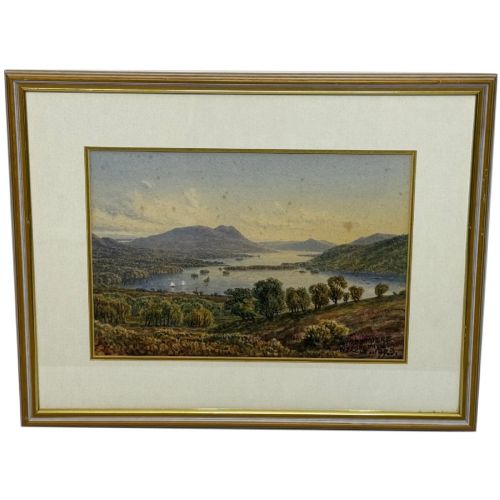
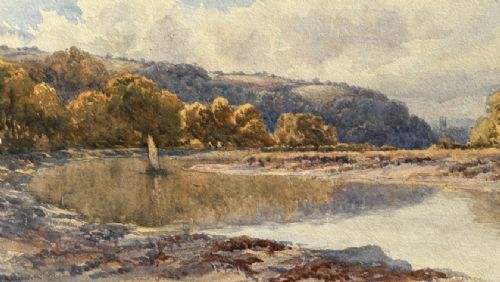
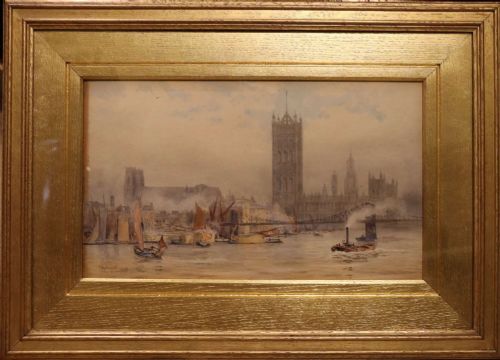
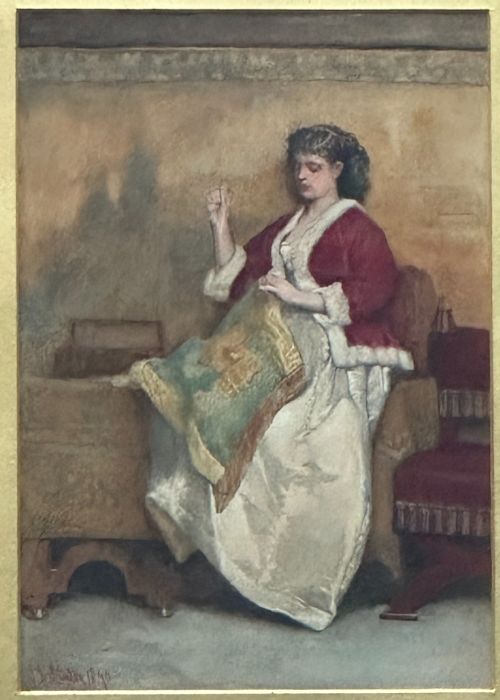
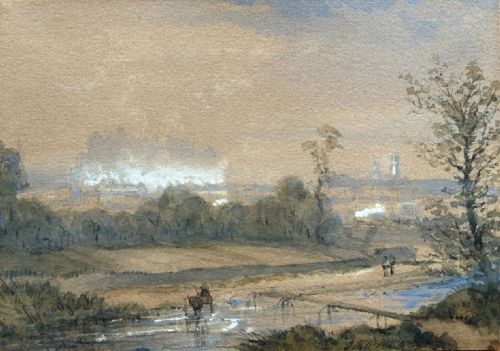
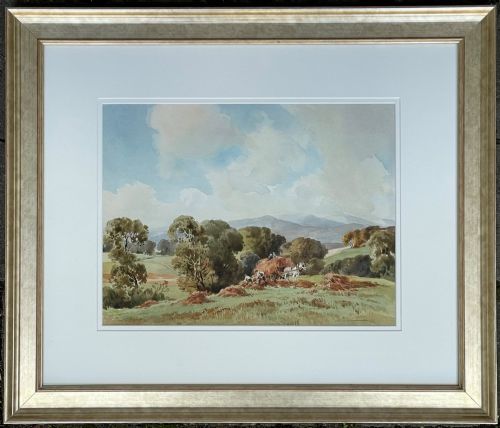
An original watercolour artwork painting is a unique hand-painted image executed directly on paper using water-soluble pigments. The works gathered under this phrase range from nineteenth-century landscapes and botanical studies to mid-century maritime scenes and traditional British views.
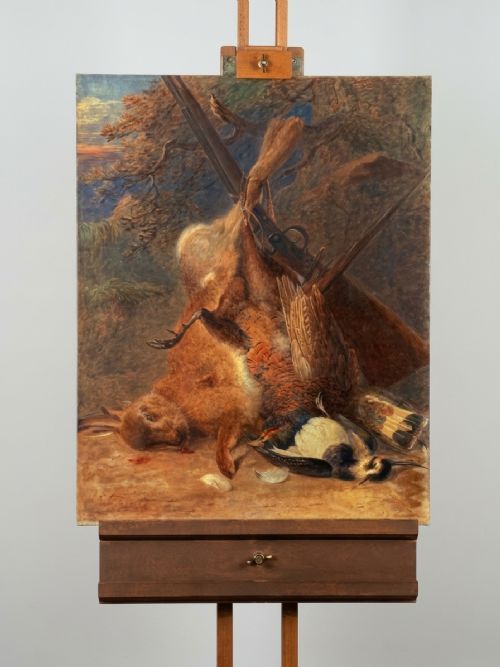
Buyers are most likely to encounter Victorian and Edwardian examples on this page, alongside pieces from the 1930s and 1960s. These works typically take the form of framed wall art, sketchbook leaves, or finished exhibition paintings depicting rural scenes, coastal harbours, and domestic subjects.
How They Were Made
Artists applied watercolour pigment, bodycolour, ink, and graphite onto paper sheets, frequently supported by glass and wood frames. The technique relies on translucent washes of colour built up on a light-reflecting paper ground to create luminosity and depth.
Drafting lines in graphite or ink established the initial composition before washes were laid down by brush. Some nineteenth-century examples incorporate bodycolour, which is watercolour mixed with white pigment to achieve opaque highlights and solid areas of tone.
Listings feature paper, glass, wood, and ink alongside traditional watercolour pigment across multiple nineteenth and twentieth-century periods.
What Varies in Quality
Quality rests upon the confidence of the brushwork and the precision of the draughtsmanship visible beneath or through the pigment. Stronger works demonstrate a sure command of tone and perspective, whereas weaker pieces rely on timid washes and hesitant pencil lines.
The preservation of the paper and the vibrancy of the pigments also separate standard decorative examples from superior artistic achievements. Fading from excessive light exposure alters the intended colour balance, diminishing the overall impact of the composition.
George Sydney Shepherd·George Lorain Stampa·George Fotherly Hargitt·Thomas Miles Richardson Jnr·James Orrock·William Henry Earp·Sir James Dromgole Linton·John R Prentice·Thomas Ellison·Alfred Young Nutt·Percy Lancaster·Henry Stacy Marks·James Smetham·John Hassall·A Marie Parsons·John McDougal·EJ Letheren·Robert Leslie Howey·James E Aitken·Charles Edward Dixon·Eric Tufnell·William Banks Fortescue·William Joseph Boyes·Henry Silkstone Hopwood·Muriel Metcalfe
The Original Watercolour Artwork Painting Glossary
- Bodycolour
- Watercolour paint mixed with a white pigment to render it opaque. This technique adds dense highlights and solid areas of colour to a transparent wash painting.
- Wash
- A thin, fluid application of watercolour pigment spread evenly across the paper. Painters use washes to create expansive skies and luminous background elements.
- Monogram
- A motif made by overlapping or combining two or more letters to form a recognizable signature. Artists often used monograms on works created for exhibition.
- Exhibition size
- A larger format denoting a finished painting intended for public display in galleries or academies. These pieces required greater sustained effort than casual sketchbook studies.
- Shan Shui
- Traditional Chinese painting style featuring scenery or natural landscapes. These works use brush and ink rather than Western watercolour methods.
Original Watercolour Artwork Painting: Frequently Asked Questions
How should I display watercolour paintings safely?
Watercolour paintings require protection from direct sunlight to prevent the delicate pigments and paper from fading over time. Hanging them away from bright windows preserves the original colour intensity.
Using conservation-grade framing materials and UV-resistant glass further shields the paper from environmental damage and atmospheric pollutants.
What is the difference between a sketch and a finished painting?
A sketch is typically a rapid, spontaneous study created to capture a specific light effect or composition. These works often remain unframed and show visible pencil guidelines.
Finished paintings display a higher degree of tonal completion and refined detail, intended from the outset for public exhibition or sale.
How do I identify a nineteenth-century watercolour?
Nineteenth-century watercolours often feature handmade rag paper with distinct watermarks and heavier weight than modern machine-made sheets. The palette frequently relies on earth tones and traditional mineral pigments.
Signatures, dates inscribed in ink, and historical framing styles also help determine the period of execution.
Why do some watercolours use bodycolour?
Artists introduced bodycolour to provide opacity where traditional transparent watercolour washes fell short. This allowed them to paint brilliant highlights on water or capture opaque textures in clothing.
The addition of white pigment gave watercolours a denser appearance comparable to oil paintings.