
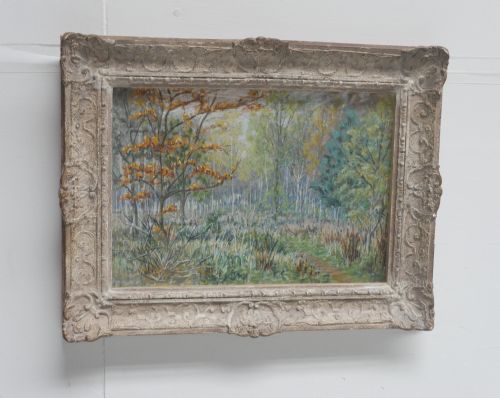


Nature Landscape Painting
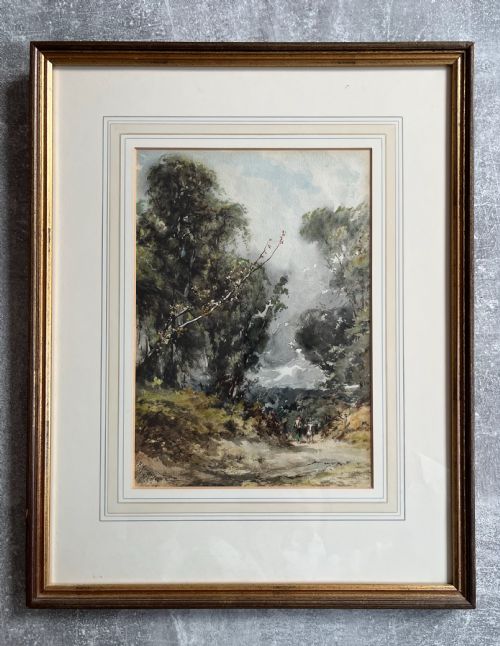
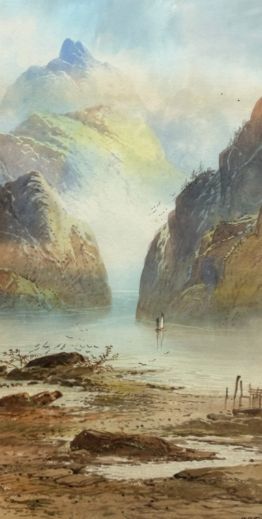
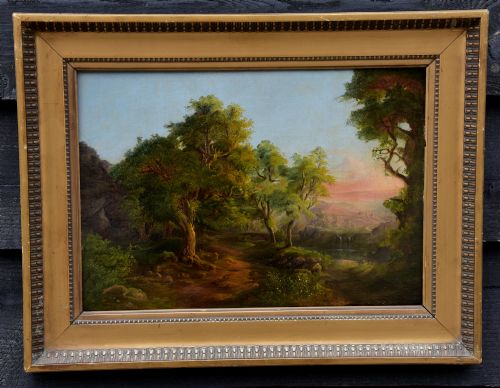
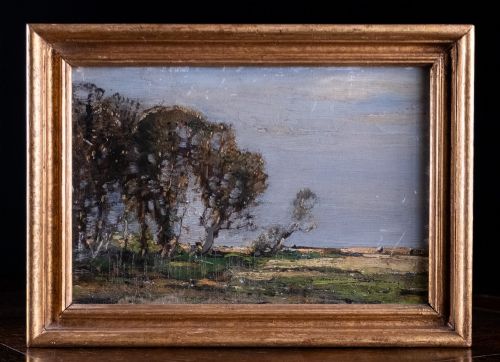
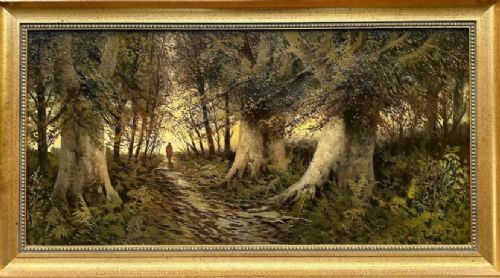
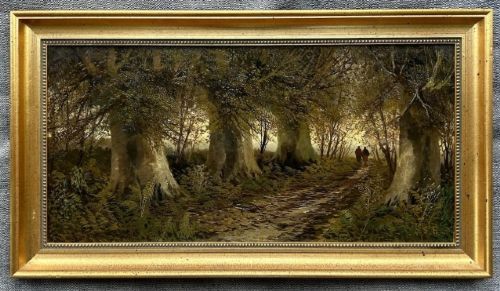
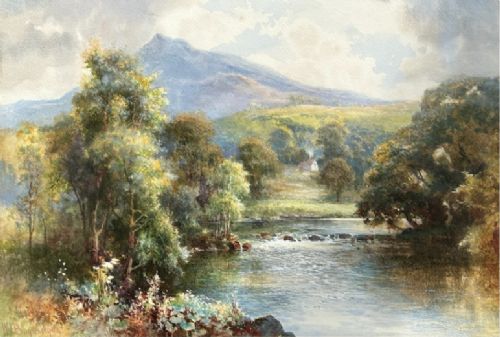
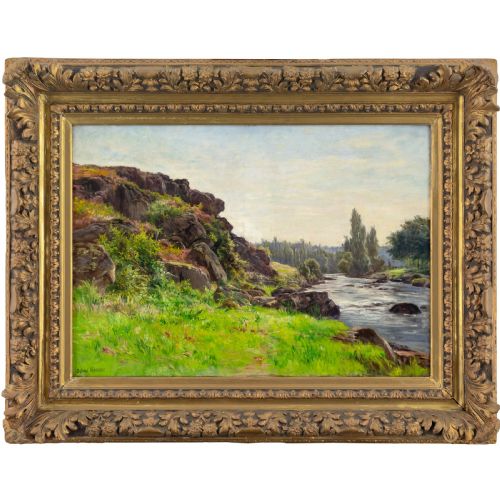
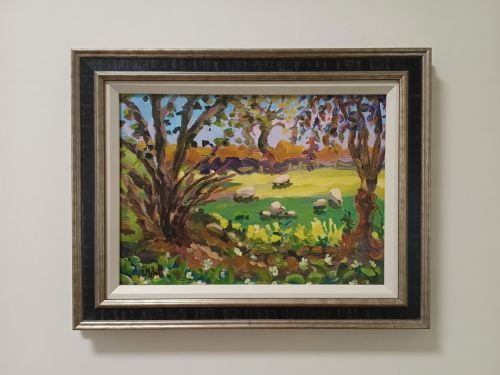
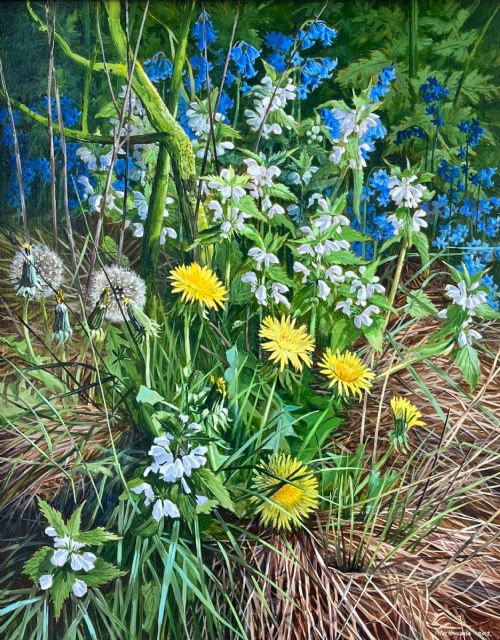
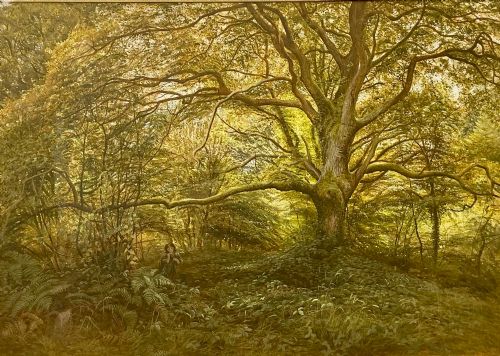
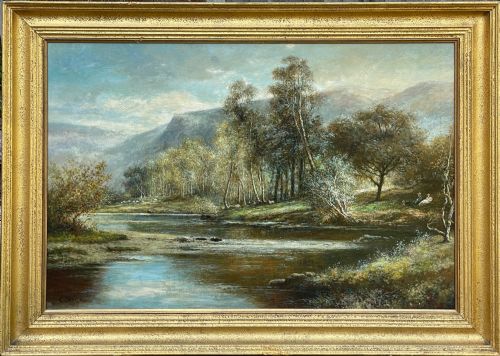
A nature landscape painting captures the open air, woodland, and river scenes that drew artists from the nineteenth century onward.
Nature Landscape Painting
A nature landscape painting brings the outdoors inside, depicting rural vistas, lakes, and rivers through historical mediums. Buyers seeking this phrase encounter framed artwork spanning the Victorian era up to the mid-twentieth century.
The selection ranges from intimate watercolours on paper to large oil paintings on canvas and board. Most works date from the nineteenth century and the early decades of the nineteen-hundreds.
Subjects commonly include Scottish highlands, Welsh rivers, woodland paths, and quiet country lanes. These pieces offer a direct connection to historical topography and pastoral traditions.
How they were made
Painters applied oil or watercolour onto prepared canvas, wooden board, or thick paper sheets. Many nineteenth-century and Edwardian artists worked en plein air to capture natural light.
Pigments were mixed with oil or water binders, sometimes supplemented by gold leaf or pastel. Finished works were secured in wooden frames, frequently protected behind glass for watercolours.
Artists signed and dated their compositions directly on the painted surface or mount, employing brushes to build texture and atmospheric depth.
Listings feature works created on wood, canvas, paper, and glass utilising oil paint, watercolour, and gold leaf.
What varies in quality
Execution and brushwork distinguish the finest works from ordinary decorative pieces. Mastery of light, shade, and natural proportion elevates a composition.
Condition of the canvas, board, and pigment stability influence desirability. Original frames and clear signatures by recorded artists add distinct character to individual works.
George Fotherly Hargitt·William Henry Earp·Kershaw Schofield·Thomas W Lascelles·William Joseph Boyes·Gabriel Mathieu·Lucy Pratt·Peter Newcombe·Bonomi Edward Warren·Margaret Maitland Howard·William Hoggatt·William Mellor·J Phipps·George Arthur Fripp·John Wright Oakes·William Langley·Rowland Henry Hill·William Stephen Coleman·John Hobson Nicholson·H Church·R L Howey·Alfred W Parsons·AJ Thornton
The Nature Landscape Painting Glossary
- Canvas
- A heavy woven fabric stretched across a wooden frame to serve as a painting surface. It provides texture and durability for oil colours.
- Watercolour
- A paint consisting of pigment suspended in a water-soluble vehicle, typically applied to paper. It yields translucent washes of colour.
- Board
- A rigid wooden or pasteboard panel used as a firm support for oil or acrylic paint. It offers a smooth alternative to woven textiles.
- Gouache
- An opaque water-based paint that includes a white pigment filler, producing solid and matte areas of colour.
- Impressionism
- A style involving thin brush strokes and an emphasis on accurate depiction of light. It focuses on the changing qualities of natural scenes.
Nature Landscape Painting: Frequently Asked Questions
How do I care for antique paintings?
Keep painted works away from direct sunlight and fluctuating humidity to protect the canvas and pigments. Avoid using chemical cleaners on the surface or the frame.
Dust gently with a dry, soft brush when necessary. Ensure watercolours remain behind protective glass to prevent moisture damage.
What periods are represented?
The inventory spans the nineteenth century through the Victorian and Edwardian eras up to the mid-twentieth century. Works date from the eighteen-fifties through the nineteen-sixties.
Victorian and early twentieth-century examples form the core of the available selection. Pieces range across specific decades like nineteen-ten, nineteen-twenty, and nineteen-thirty.
How were these artworks signed?
Artists typically signed their names in the bottom corner of the canvas, board, or paper mount. Signatures were rendered in paint, ink, or pencil.
Some pieces include dates alongside the signature, while others bear initials or remain attributed based on style and documentation.
Where were these scenes painted?
Subjects depict locations across Britain, including Scottish highlands, Welsh rivers, and the Isle of Man. Artists also captured woodland paths and rural countryside scenes.
Many works reflect plein air observation in specific natural settings. Topographical titles often note the exact geographical region.