


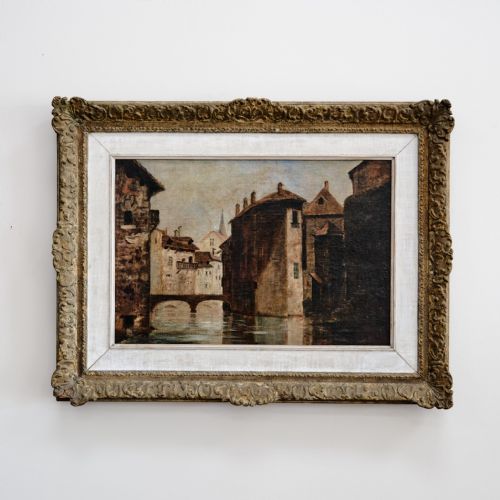
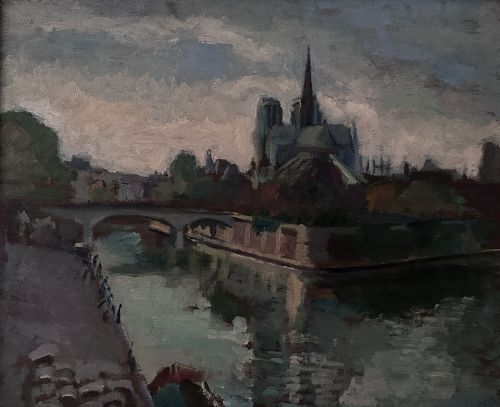
Original Impressionist Canvas
An original impressionist canvas brings immediate atmosphere to a room through visible brushwork and captured light.
Original Impressionist Canvas
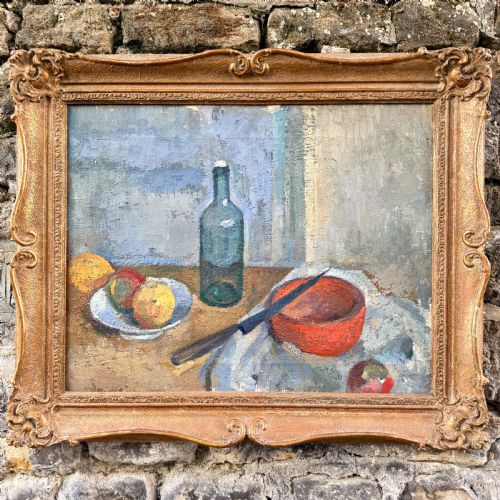
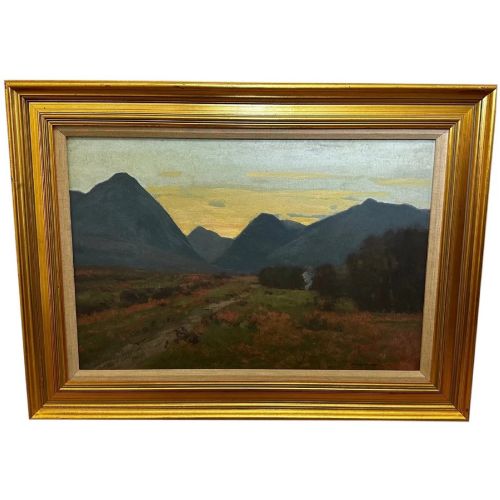
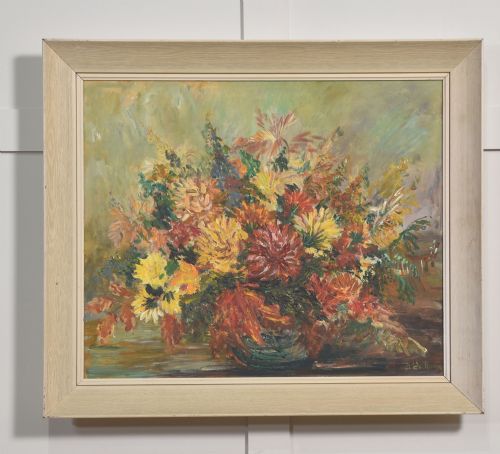
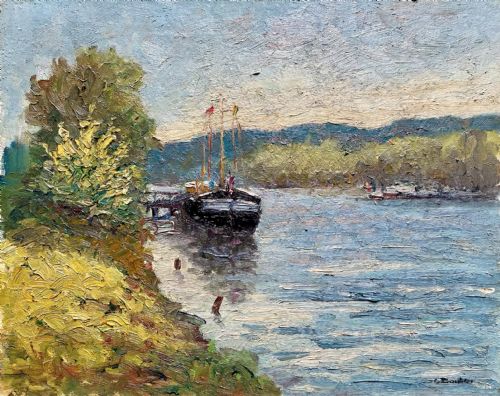
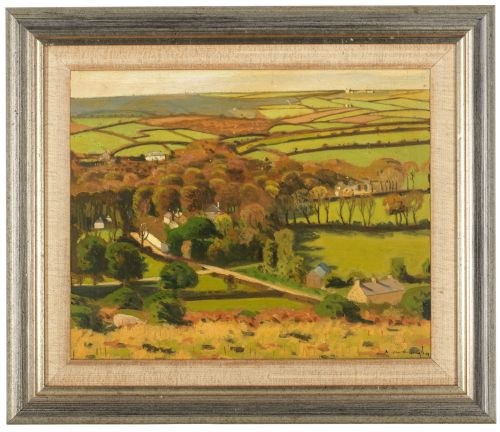
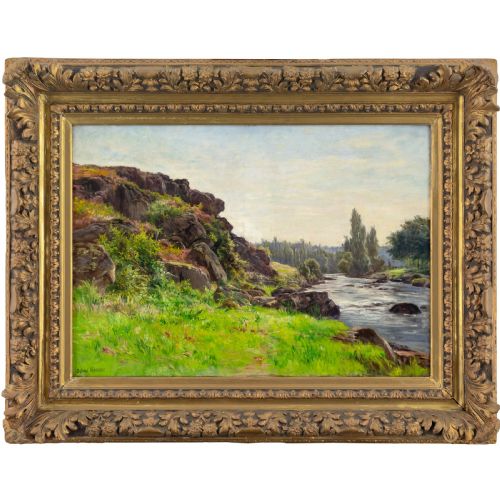
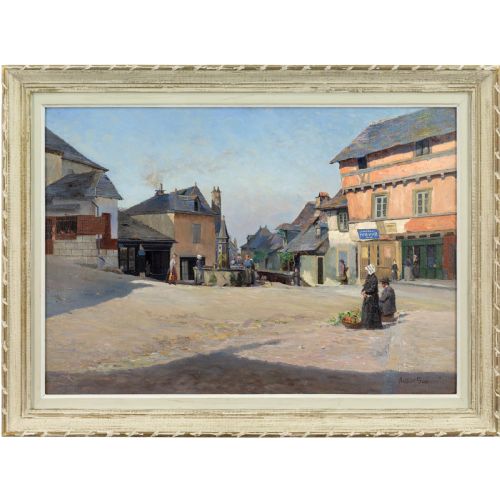
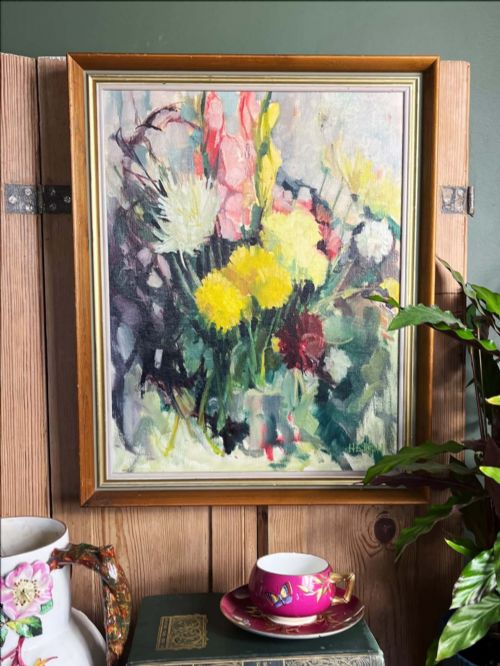
An original impressionist canvas captures fleeting moments of light and atmosphere through visible, rapid brushstrokes. When searching this phrase, a buyer encounters works spanning the nineteenth century through the mid-twentieth century, with strong representation from British, French and wider European schools.
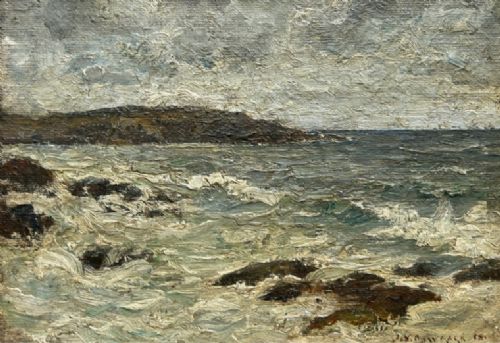
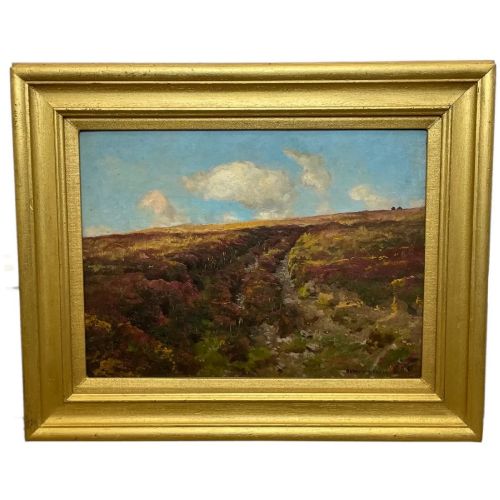
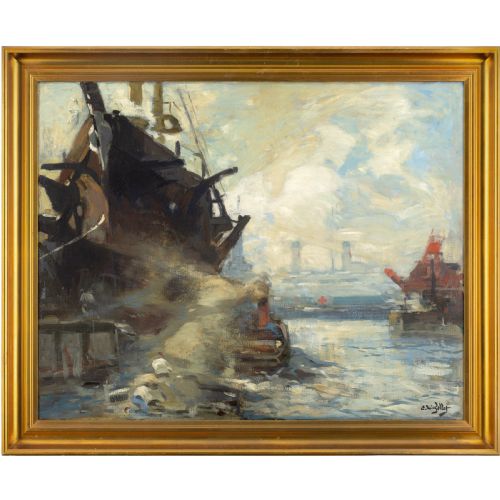
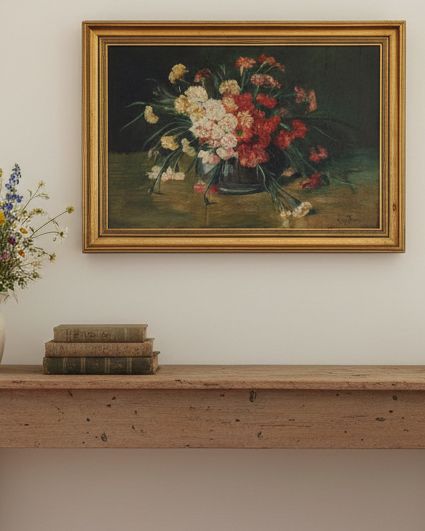
The subjects on this page range widely across traditional genres. Coastal seascapes, pastoral river paths, floral still lifes and urban scenes predominate, recorded by named artists and regional schools alike.
Most examples are executed on canvas or canvas board, frequently housed within period gilt wood frames. The dates extend from the nineteenth century into the mid-twentieth century, capturing the evolution of post-impressionist and modern British movements.
How they were made
These works rely on oil paint applied to stretched canvas or board, utilising techniques that favour texture and immediate visual impact. Impasto application builds thick, raised surfaces of pigment that catch natural light.
Support materials typically consist of woven canvas secured to wooden stretcher frames, occasionally mounted onto board. Many pieces retain their original decorative gilt wood frames, completing the construction of the artwork.
Materials recorded across current inventory include oil paint, canvas, wood, gilt and gilt wood.
What varies in quality
Quality rests upon the confidence of the brushwork and the artist's command of light and tonal balance. Superior examples display purposeful handling of pigment that defines space and mood without excessive detail.
The integration of the painting with its frame influences overall standard, as period gilt wood settings complement the visual weight of the canvas. Condition of the paint surface, including stability and minimal intervention, distinguishes finer survivals.
Clifford Hanney·Arthur Wardle·Eugène-Louis Gillot·George Houston·Robert Morson Hughes·Arthur Gué·Antonio DeVity·Konstantin Stoitzner·Herbert Ashwin Budd·Henri Ottmann
The Original Impressionist Canvas Glossary
- Impasto
- Paint applied thickly to a canvas, standing in relief and showing the marks of the brush or palette knife.
- Post-Impressionism
- An artistic movement extending the limitations of impressionism while retaining a focus on vivid colours and thick application.
- Gilt Wood
- Timber treated with gold leaf or gold-coloured finish, forming the traditional frame material for oil paintings.
- Canvas Board
- A rigid board surfaced with prepared canvas, utilised as a lightweight support for oil painting.
Original Impressionist Canvas: Frequently Asked Questions
How do I date an impressionist canvas?
Dating relies upon stylistic markers, artist signatures, stretcher construction and framing materials. Exhibition labels or inscriptions on the reverse often provide firm chronological anchors.
Comparative analysis with known works by the same school or painter helps narrow the period of execution further.
Where should I hang an oil painting?
Select a wall with stable ambient temperature away from direct sunlight and moisture. Natural indirect light enhances the texture of the oil pigment.
Ensure the hanging fixings match the weight of both the canvas and its frame securely.
How do I clean an antique canvas?
Surface dust can be removed gently with a soft, dry artist brush. Avoid using water, cloths or chemical cleaning solutions on the paint layer.
Professional conservation is recommended for any deeper cleaning or varnish removal.
What is impasto technique?
Impasto involves laying oil paint onto the canvas with significant thickness so that it stands proud of the surface. This technique allows the physical gesture of the brush to remain visible.
It adds tactile depth and dynamic interaction with room lighting.