
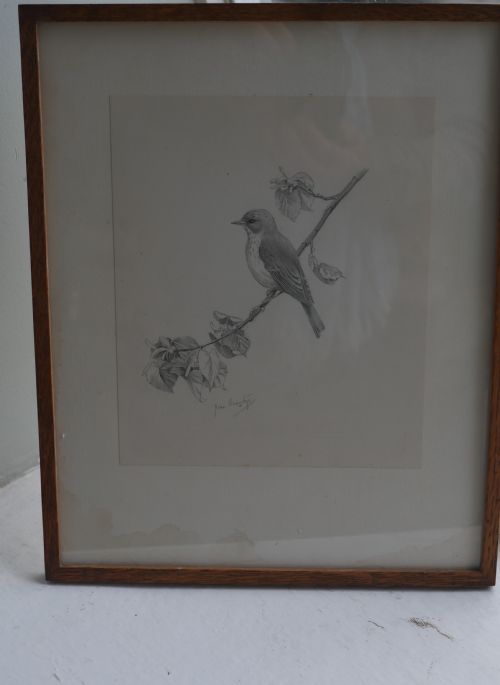


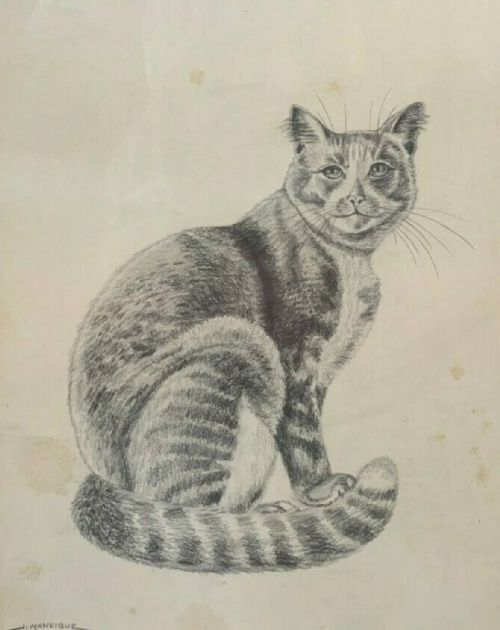


Original Graphite Sketch
Original graphite sketch works on paper offer immediate, intimate insight into an artist's hand across Georgian, Victorian, and mid-century periods.
Original Graphite Sketch
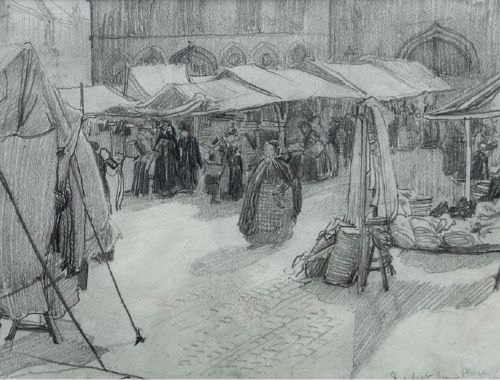
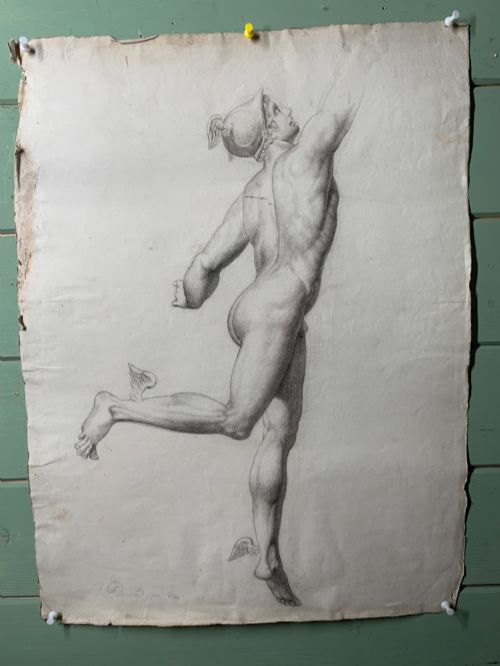
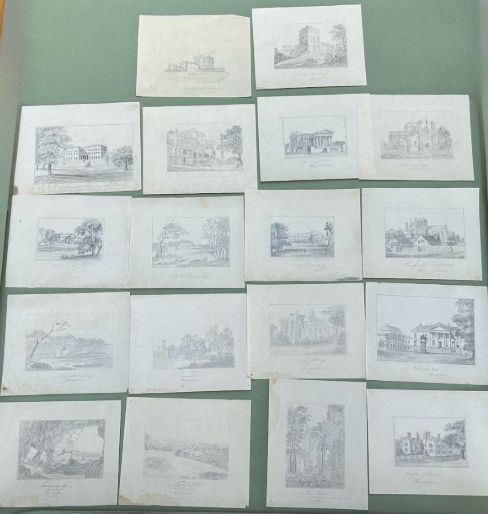
An original graphite sketch captures direct observations, preliminary studies, and finished compositions drawn by hand on paper. When searching for an original graphite sketch, buyers encounter portraiture, landscapes, and architectural studies spanning from the eighteenth century to the mid-twentieth century. The selection ranges from academic studies of the human form to atmospheric depictions of daily life and natural history.
Most pieces on this page originate from British and European hands, utilising paper as the primary support medium. These works reflect diverse aesthetic movements, including neoclassical exercises, Victorian realism, and mid-century modern interpretations. Collectors find both signed sheets by named artists and anonymous works originating from distinct regional schools.
Materials and technique
The primary mediums involve graphite, pencil, and chalk applied directly to various grades of paper. Artists frequently combined graphite with subtle washes of watercolour, ink, or charcoal to build tone and depth within a single composition. These materials allowed draftsmen to record swift impressions or construct highly detailed academic studies with equal facility.
Support materials typically consist of antique or vintage paper stocks, sometimes mounted or framed to ensure preservation. The interaction between the dry graphite medium and the absorbent paper fibres produces characteristic tonal gradations that define the character of each drawing.
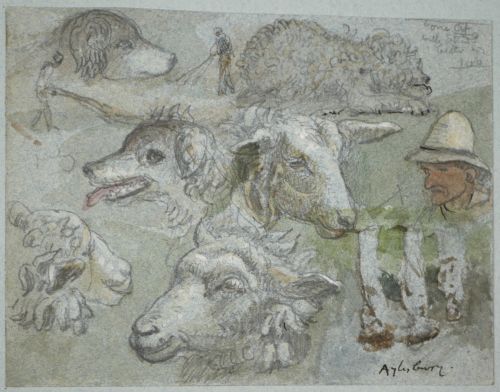
Several dogs appear as central subjects, proving that nineteenth-century pets sat just as impatiently for their portraits as humans.
Quality and execution
The distinction between ordinary and exceptional works rests upon the confidence of the line and the economy of the mark. Superior examples demonstrate a secure understanding of anatomy, perspective, and light without relying on heavy overwrought shading. The vitality of the initial observation remains preserved in the final composition.
Condition and provenance further influence the standing of a piece within its period. Well-preserved sheets retain their original contrast and paper integrity, while identifiable signatures or direct connections to documented exhibitions elevate the historical weight of the drawing.
Henry Percy Huggill·James Smetham·Augustus John·Hans Holbein·Sir Francis Leggatt Chantrey·Fred Lawson·LS Lowry·Ted Halliday·Mariette Lydis·Faeq Hassan·Dame Laura Knight·Henri Josephe Hesse·Alexandre Decamps·Sir Nathaniel Dance-Holland·Henry Edridge·Juliet Pannett
The Original Graphite Sketch Glossary
- Graphite
- A crystalline form of carbon used in pencils, prized for its smooth application and wide range of tonal values. It became widely available for fine art use during the eighteenth and nineteenth centuries.
- Academic Realism
- A style of painting and drawing produced under the influence of European academies of art, emphasising precise anatomical accuracy and classical form. Such studies often served as preparatory works for larger canvas paintings.
- Grisaille
- A painting or drawing executed entirely in shades of grey or neutral monochrome. This technique was frequently employed for preparatory studies or to simulate sculptural reliefs.
- Support
- The physical material, such as paper, card, or vellum, upon which the drawing is executed. The age and texture of the support provide key indicators of the period.
Original Graphite Sketch: Frequently Asked Questions
How should I frame an antique pencil drawing?
Protect works on paper by using acid-free mounts and ultraviolet-filtering glass to prevent fading and paper degradation over time.
Keep framed drawings away from direct sunlight and damp environments to preserve the integrity of the graphite and the paper support.
How do I identify the date of a sketch?
Examine the watermark of the paper, the style of the script if signed, and the clothing or architecture depicted within the scene.
Comparative study against dated works by the same school or artist often narrows the timeline of creation.
Are all graphite sketches preparatory studies?
Many drawings served as preliminary exercises for larger oil paintings, murals, or engravings produced during the period.
Other works were created as independent finished pieces intended to stand alone as complete artistic statements.
What distinguishes charcoal from graphite?
Charcoal produces a deeper, velvety black mark with a softer edge that requires fixing to prevent smudging on the paper surface.
Graphite yields a metallic sheen with precise tonal control, ranging from hard silvery lines to dark grey shadows.