
Original French Artwork
Original french artwork brings centuries of continental draftsmanship, brushwork and ink into your rooms through authentic period pieces.
Original French Artwork
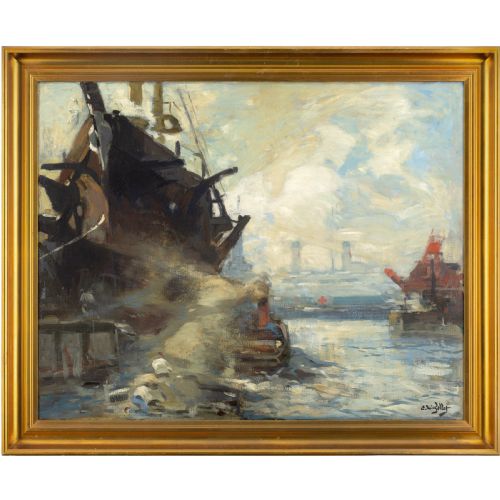
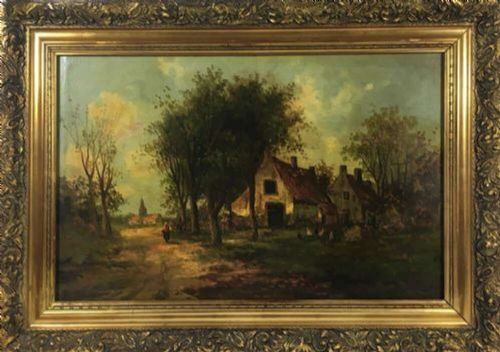
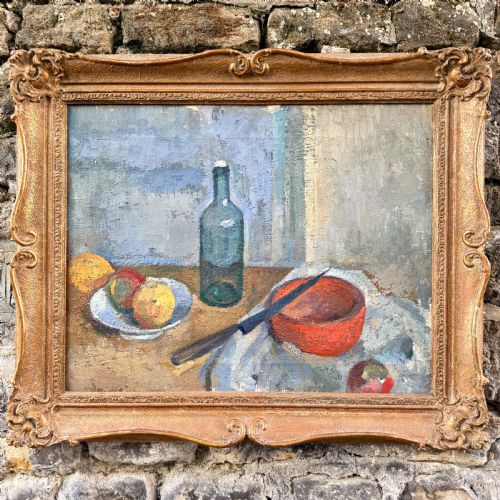
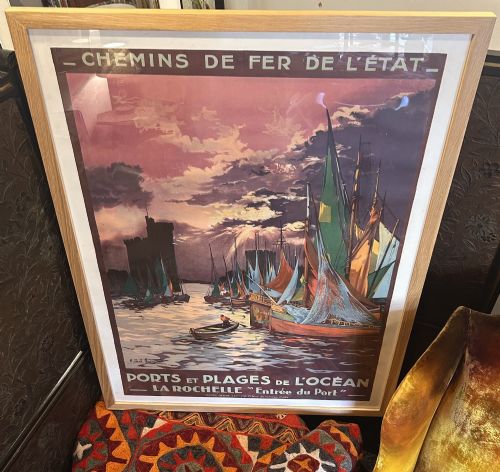
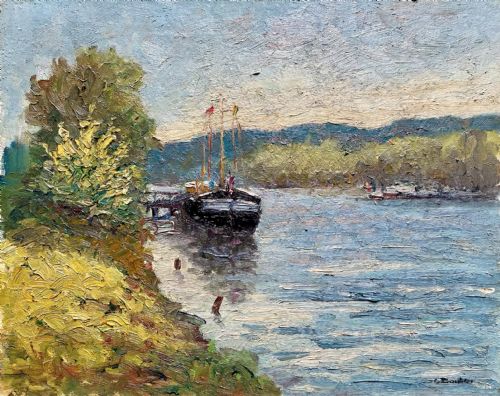
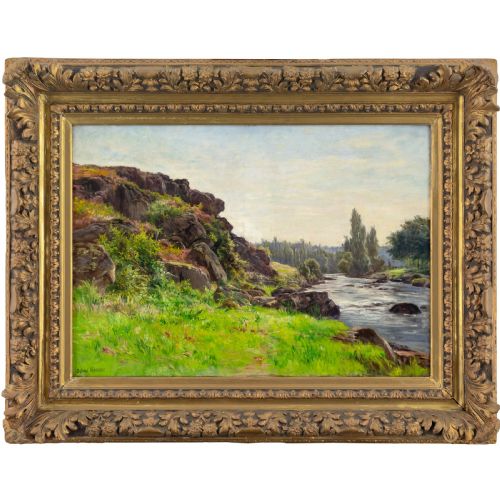
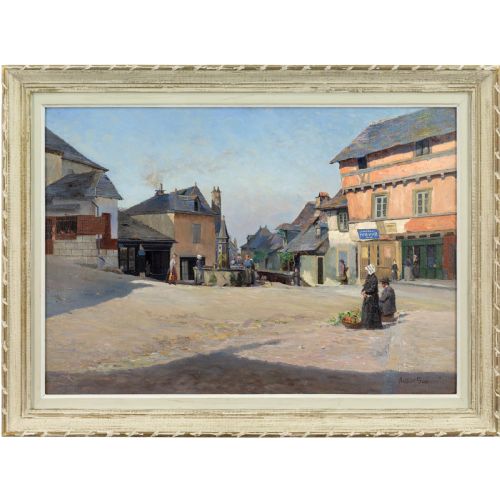
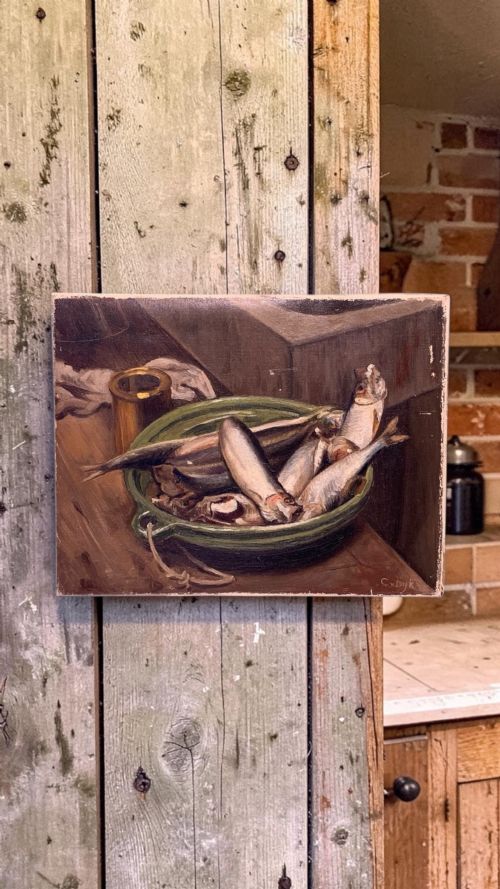
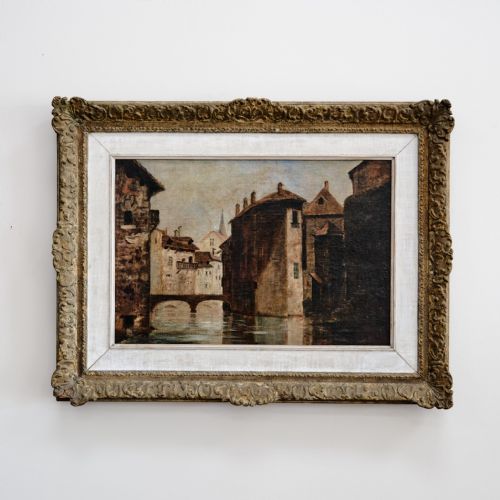
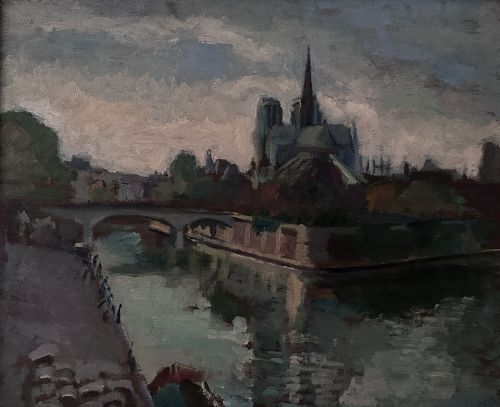
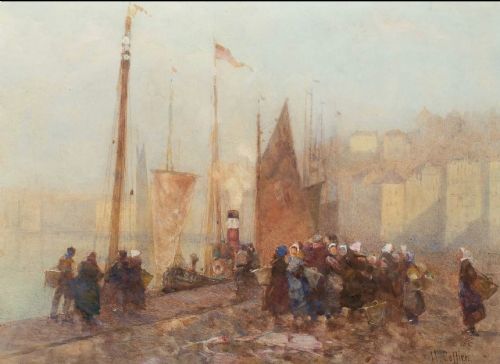
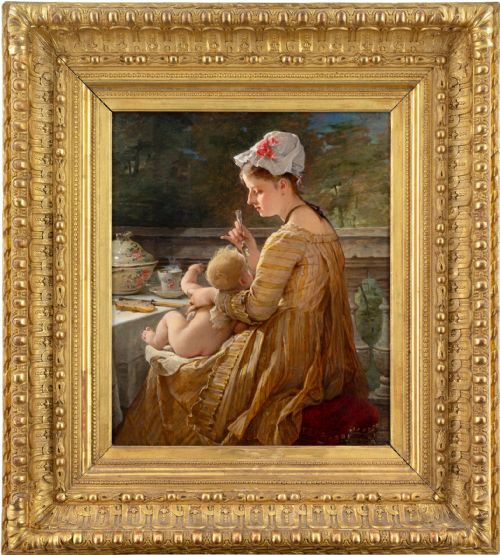
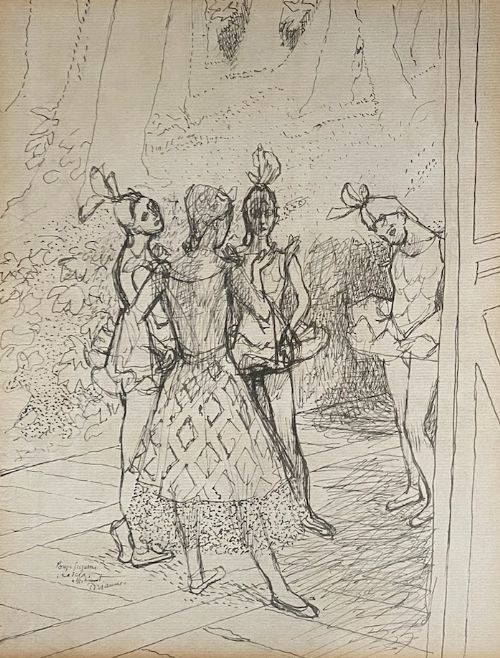
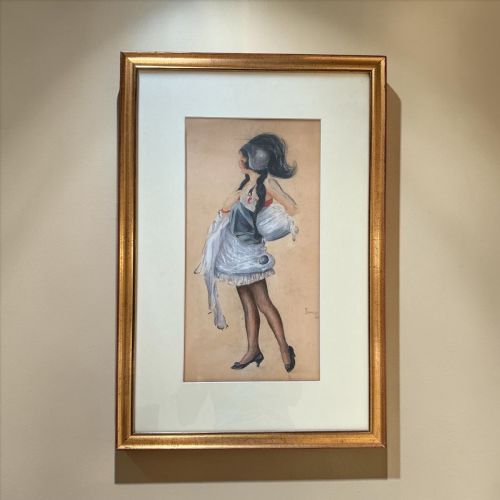
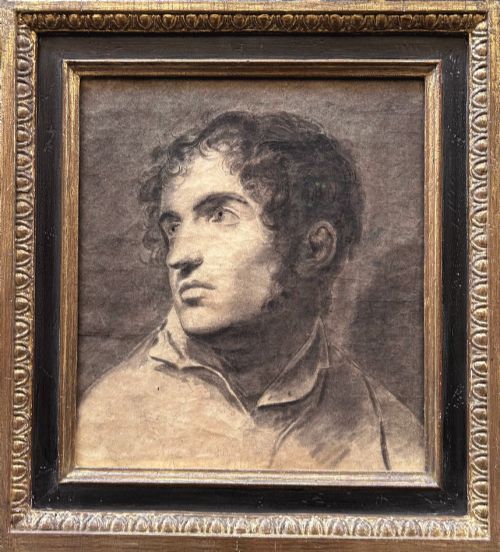
Original french artwork spans oil paintings, watercolours, ink drawings, pastels and engravings produced across the nineteenth and twentieth centuries. When searching for original french artwork, buyers encounter landscapes, portraits, railway posters and still lifes originating from regional schools and Parisian studios.
The selection ranges from academic portraiture and Barbizon landscapes to mid-century modern canvases and Art Deco prints. Dating mostly from the eighteen-sixties through to nineteen-sixty, these pieces capture changing aesthetic movements from French Impressionism to Post-Impressionism.
Framed works on paper, canvas boards and traditional oil paintings on canvas form the core of what is available. Each medium reflects the specific domestic or plein-air traditions of its decade of creation.
Materials and technique
Canvas and heavy paper serve as the primary supports, carrying layers of oil paint, watercolour, pastel, ink or gouache applied by hand. Wood panels and card also appear as grounds for smaller plein-air studies and early sketches.
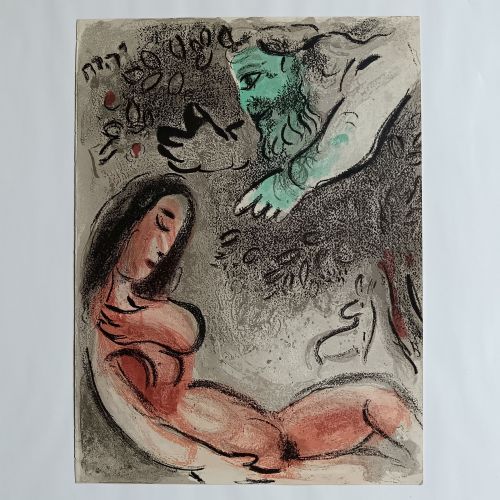
Framing often involves giltwood or traditional wood mouldings contemporary to the artwork. Print techniques utilise etching, lithography and engraving, sometimes finished with hand colouring.
Cats, horses, musketeers and flower girls frequently share canvas space with French town halls and quiet river banks.
Distinctions in quality
The strength of the composition and the confidence of the brushwork or line separate standard decorative pieces from finer collector examples. Mastery of light, pigment handling and tonal balance distinguish accomplished academic or impressionist execution from routine output.
Condition of the surface material, stability of the canvas or paper, and the presence of original framing contribute significantly to desirability. Documentation of the artist or a clear attribution adds historical weight to the physical object.
Eugène-Louis Gillot·Gabriel Mathieu·Arthur Gué·Marc Chagall·Hector Caffieri·Adelaïde Salles-Wagner·Maurice Brianchon·Henri Ottmann·Henri Charles Angéniol·Étienne Baudet·Achille-Fould·Henry de Waroquier·Alfred Arthur Brunel de Neuville·Louis Icart·Lilian Colbourn·Albert Ludovici Jnr·Honore Cavaroc·Benjamin Eugene Fichel
The Original French Artwork Glossary
- Barbizon School
- A nineteenth-century french movement focused on real-life landscape painting en plein air. Artists in this circle turned away from classical studio conventions to observe nature directly.
- Giltwood
- Wood carved and coated with gold leaf or a gold-coloured finish. This material is frequently found on period frames housing traditional paintings.
- Lithography
- A planographic printmaking process using a stone or metal plate. Artists draw directly onto the surface with a greasy medium to transfer ink.
- Plein air
- Painting outdoors in natural light rather than inside a studio. This method was central to the development of impressionist and realist landscapes.
- Chiaroscuro
- The strong contrast between light and dark within a painting. This technique creates a sense of volume and dramatic focus on figures or objects.
Original French Artwork: Frequently Asked Questions
How do I date an old painting?
Examine the materials of the canvas, stretcher frames, and backing paper for clues left by the original maker. Stylistic markers and signatures also help place the work within a specific decade.
Compare the pigment application and framing style with dated examples from the same period. Conservation notes on the reverse often record previous exhibitions or restorations.
Where should I hang watercolours?
Keep works on paper away from direct sunlight to prevent the watercolours or pastels from fading over time. Choose interior walls with stable humidity and temperature conditions.
Mounting them behind protective glass with conservation-grade framing materials shields the delicate pigments from atmospheric moisture and dust.
Are original posters considered fine art?
Vintage lithographic posters produced by known artists serve as legitimate collectible prints rather than mere advertisements. Original poster runs from the early twentieth century hold established status in the art market.
Collectors value them for their graphic design quality and the direct printing techniques used by period ateliers.
What is the difference between oil on canvas and oil on board?
Oil on canvas involves stretched fabric fixed to a wooden frame, offering flexibility and traditional texture. Oil on board uses a rigid wooden or cardboard support, often utilised for smaller studies.
Board paintings were frequently executed quickly outdoors, whereas large canvases typically required extended studio work.