



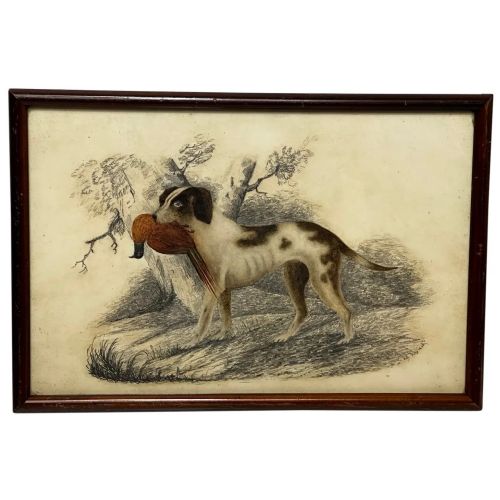


Early 19th Century Drawing
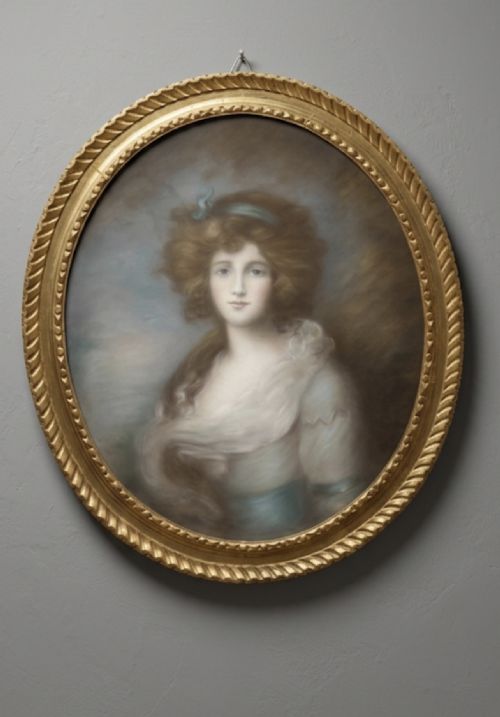
An early 19th century drawing captures the quiet domesticity, sweeping coastal topography and portraiture of the Georgian and Regency eras.
Early 19th Century Drawing
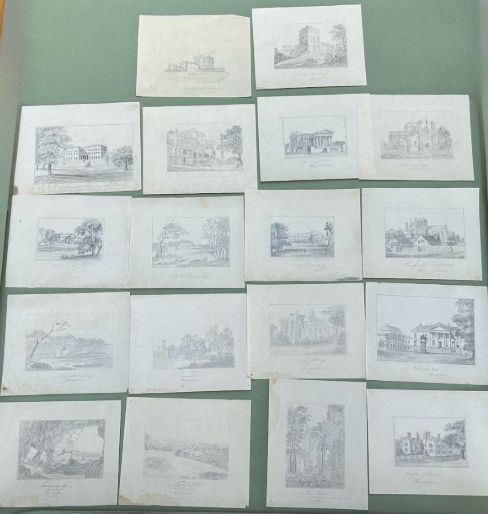
When you examine an early 19th century drawing, you encounter works on paper executed during the Georgian, Regency and early Victorian periods. These pieces range from rapid landscape studies and architectural renderings to detailed family portraits and coastal scenes.
The selections available include both finished framed artworks and informal sketchbooks recording British and European subjects. You will frequently find topographical views of castles and countryside alongside intimate character studies and figure sketches.
Materials and Technique
Artists of this period relied primarily on paper supports, applying graphite, sepia ink and watercolour washes to build tone and depth. Pencil sketches often served as direct observation in the field, sometimes supplemented later with mixed media or monochrome ink.
Framing and presentation typically involved period mounts and protective glass, with many works retaining handwritten inscriptions, signatures or gallery labels verso that trace their provenance.
One unexpected survivor records a detailed study of a human foot alongside architectural sketches of Dublin.
Assessing Quality and Execution
The distinction between ordinary and exceptional works rests on the confidence of the line and the precision of the draughtsmanship. Superior examples reveal a sure hand in capturing light, shadow and anatomical or architectural proportion without hesitation.
Attribution also shapes standing, with documented connections to known artists, academic institutions or specific historical locations elevating a sheet above anonymous school output.
Sir Francis Leggatt Chantrey·Thomas Monro·George Balmer·Lieutenant Colonel Robert Batty·Henry William Burgess
The Early 19th Century Drawing Glossary
- Wash
- A thin, transparent layer of diluted ink or watercolour applied to paper to create smooth tonal gradients in landscapes and architectural studies.
- Sepia ink
- A brown pigment derived from the cuttlefish, widely utilised for monochromatic sketches and topographical drawings during the Georgian era.
- Verso
- The back of a sheet of paper or canvas, frequently bearing artist signatures, collector stamps, dates or historical inscriptions.
- Graphite
- Pure elemental carbon used in pencils, forming the primary medium for preliminary sketches and detailed landscape studies of the nineteenth century.
Early 19th Century Drawing: Frequently Asked Questions
How do I care for antique drawings?
Keep works on paper away from direct sunlight to prevent fading of watercolour pigments and yellowing of the paper support. Maintain stable humidity levels within the room.
Ensure framing uses acid-free mounts to protect the paper from chemical degradation over time.
Are these drawings signed by the artist?
Many sheets feature visible signatures, initials or stamps on the front, while others carry attribution notes on the reverse. Anonymous works attributed to regional schools are also common.
Look for period inscriptions and gallery labels on the verso that provide clues to authorship and origin.
What subjects are most common?
Landscapes, coastal views, architectural studies of castles and cathedrals dominate the works produced in this era. Portraiture and domestic studies also appear frequently.
Artists often recorded their travels across Britain and continental Europe in sketchbooks.
How do I distinguish periods?
Georgian and Regency pieces often reflect neoclassical restraint and delicate graphite work, whereas early Victorian examples introduce bolder watercolours and more varied subject matter.
Costume details, hairstyles and handwritten dates on the paper or mount assist in narrowing down the exact decade.