




Original Equine Oil Artwork
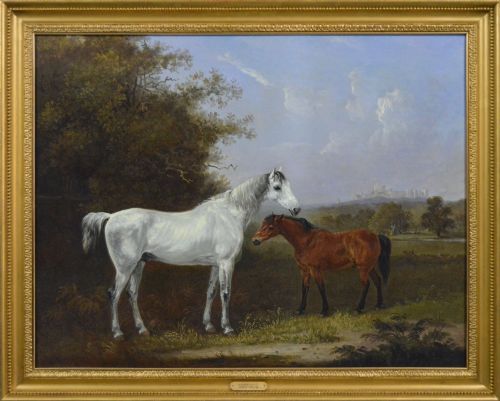
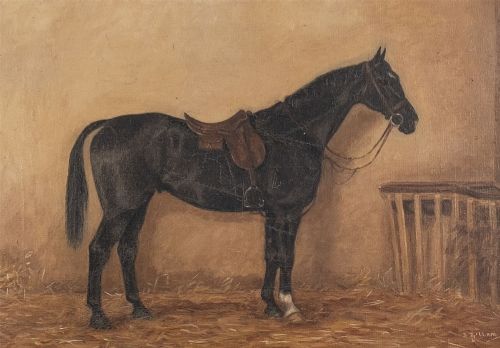
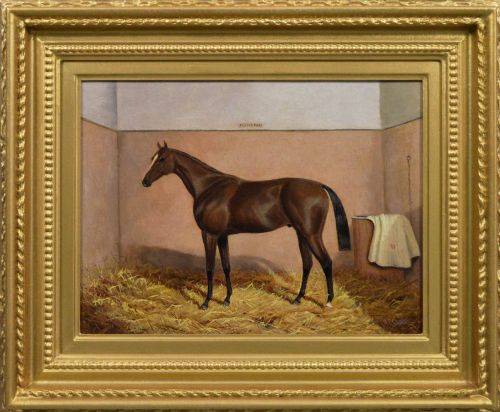
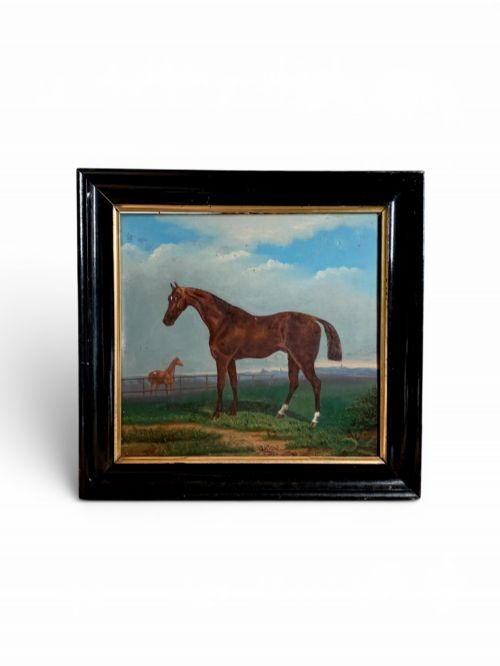
Original equine oil artwork brings the character and power of horses into a room through pigment laid thick upon canvas or panel.
Original Equine Oil Artwork
Original equine oil artwork spans centuries of painting traditions, recording individual racehorses, working animals, and pastoral scenes. When searching for original equine oil artwork, a buyer encounters everything from detailed portraits of named champions to atmospheric landscape genres featuring ploughmen and carts.
The pieces on this page originate from periods including the nineteenth century, the Edwardian era, and the mid-twentieth century. Works range from French school panels to British sporting art, reflecting diverse regional approaches to capturing the form and spirit of the horse.
Materials and Construction
These works are executed in oil paint upon canvas or wood panel supports, utilising the rich medium to build depth and texture. Painters applied pigment with brushes, creating tonal variation across muscle, coat, and landscape.
Many surviving pieces retain their period framing, including giltwood surrounds that complement the oil paint and protect the edges of the canvas or wood panel.
Original Equine Oil Artwork Retail Price Guide 2026
Typical asking prices for original equine oil artwork among the pieces listed under this phrase on Sellingantiques today, from the lower quarter to the upper quarter. They describe what is for sale here now, not the wider market.
Several canvases record specific champion hackneys and racehorses whose names survive through the brushstrokes.
Judging Quality
Quality in these paintings rests upon the artist's command of anatomy, light, and movement. The top of the range demonstrates precise observation of muscle structure, expression, and posture, whether depicting a stationary portrait or horses labouring in a river landscape.
Lesser works rely on formulaic composition and stiff rendering, whereas accomplished pieces capture the distinctive personality and physical presence of the animal through confident brushwork.
Albert Clark·John Ferneley Senior·Arthur Winter Shaw·W.A. Clark·Ernest Higgins Rigg·George Cole
The Original Equine Oil Artwork Glossary
- Canvas
- A heavy woven fabric stretched across a wooden frame to serve as a support for oil painting. It provides a slightly textured surface that holds layered pigment.
- Wood panel
- A rigid wooden board utilised as a painting support instead of canvas. Panels offer a smooth, stable surface often seen in nineteenth-century works.
- Giltwood
- Wood carved and covered with a thin layer of gold leaf or gold-coloured metal. It frequently frames antique paintings from the Victorian and Edwardian periods.
- Sporting art
- A genre of painting dedicated to horses, hounds, shooting, and rural sports. It flourished in Britain through the nineteenth and twentieth centuries.
- Genre painting
- The pictorial representation of scenes from everyday life. In this context, it includes ploughmen and horses working the land.
Original Equine Oil Artwork: Frequently Asked Questions
What is equine oil artwork?
Equine oil artwork consists of paintings created with oil-based pigments on canvas or wood that feature horses as the primary subject. These range from formal portraits of named champions to atmospheric depictions of horses at work in rural landscapes.
Artists across the nineteenth and twentieth centuries used the medium to capture the anatomy, movement, and individual character of horses within various artistic styles.
How do I date an antique horse painting?
Dating relies upon stylistic clues, artist signatures, framing materials, and the physical composition of the canvas or wood panel. Victorian sporting art often exhibits different palette choices and detailing compared to Edwardian or later works.
Examining the back of the canvas, stretcher frames, and any inscriptions can provide further historical context regarding the creation date.
Where should I hang these paintings?
These works suit traditional studies, living rooms, and hallways where lighting can be controlled to prevent direct glare on the oil surface. Pairing them with period architecture or complementary wood furnishings enhances their visual impact.
Avoid positioning oil paintings in areas subject to excessive humidity or direct sunlight to preserve the pigment and canvas over time.
How do I care for an oil painting?
Maintenance involves gentle dusting with a soft, dry brush or cloth to prevent particulate buildup on the canvas and frame. Avoid using liquid cleaners, water, or chemical solvents on the paint surface.
Maintaining stable room temperatures and humidity levels protects both the wooden support or stretcher and the oil paint from cracking or warping.