




Original Canvas Marine Painting
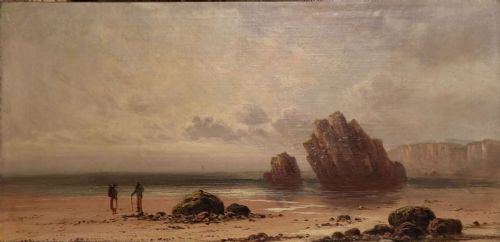
An original canvas marine painting captures the motion of open water and the character of coastal life through the traditional medium of oil.
Original Canvas Marine Painting
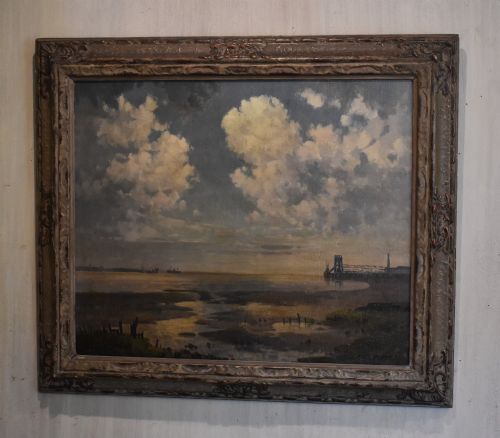
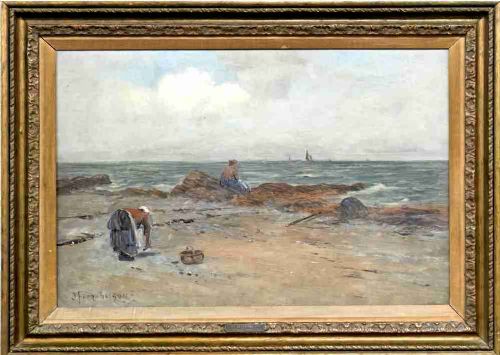
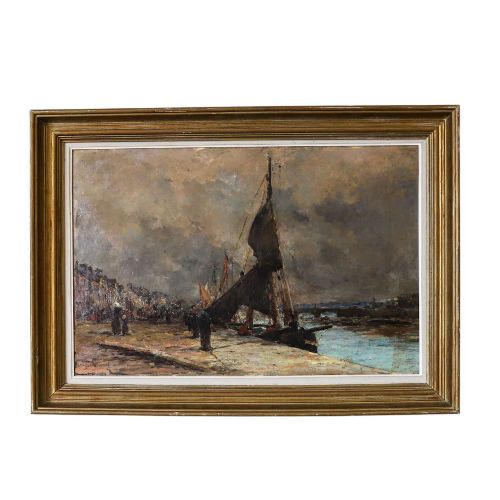
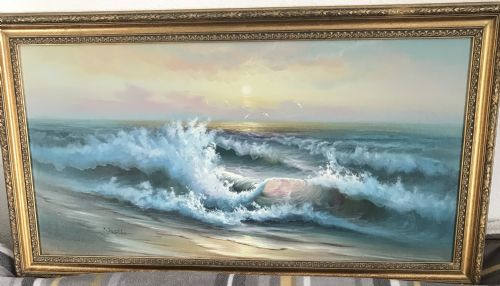
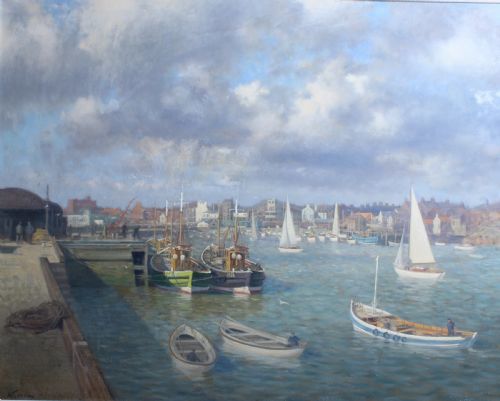
When you search for an original canvas marine painting, you encounter works spanning from the eighteenth century through the mid-twentieth century, capturing seascapes, harbour scenes, and coastal daily life. The nineteenth-century examples often present detailed depictions of sailing ships and dramatic coastlines in heavy frames, whilst twentieth-century pieces lean towards impressionist and post-impressionist interpretations of light on water.
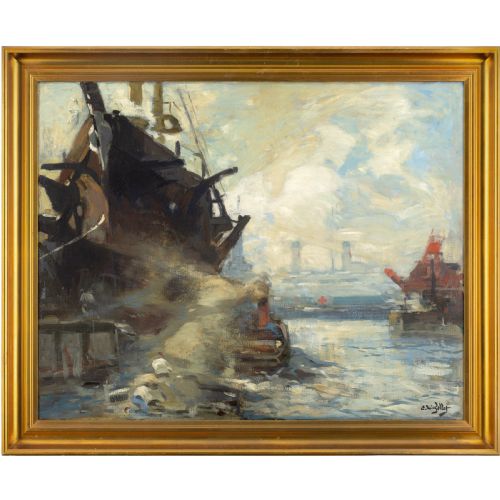
The subjects range from busy commercial ports and fishing vessels to quiet estuaries and turbulent sea battles with warships. Works from the Victorian period frequently record specific coastal locations, whereas later mid-century pieces focus on the atmospheric qualities of colour and brushwork rather than topographical precision.
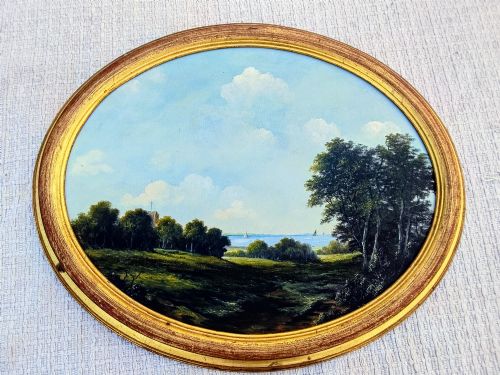
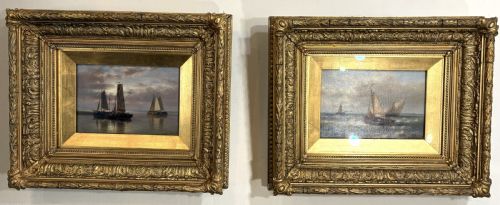
You are most likely to meet pieces housed in their original gilt wood frames, preserving the aesthetic context of their creation. These paintings vary from intimate oval views to large-scale gallery canvases depicting the changing moods of the sea.
Materials and construction
Artists painted these works using oil paint applied to stretched canvas or wooden boards, building up layers of pigment to achieve the depth and luminosity of water. The oil medium allowed for slow drying times, enabling painters to blend tones and capture shifting coastal light.
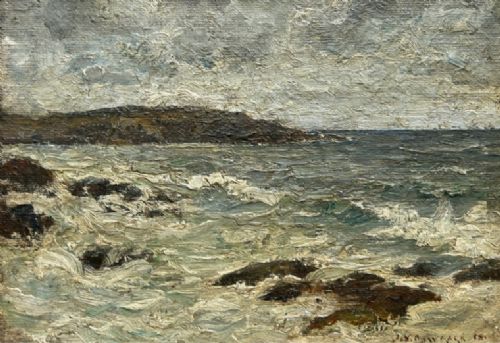
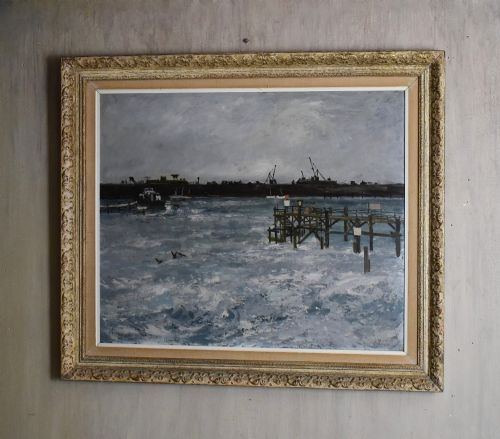
Many works incorporate textured impasto technique, where thick paint stands proud of the surface to describe breaking waves or rocky shores. The completed canvases were typically set into carved and gilded wooden frames that enhanced the visual presence of the artwork.
The collection spans the eighteenth, nineteenth, and twentieth centuries, employing canvas, wood, oil paint, and gilded wood across British Impressionism and Victorian styles.
Distinguishing quality
The strength of a marine painting lies in the artist's ability to render the movement and weight of water convincingly, separating hurried decorative works from accomplished observations of the sea. Superior pieces demonstrate a confident handling of light and atmospheric perspective, particularly where sky and water meet on the horizon.
The integration of the composition with its period frame also influences the overall integrity of the piece, as original gilt surrounds provide the intended historical context for the canvas.
Kenneth Cozens·Clifford Hanney·Eugène-Louis Gillot·Clive Browne·Peter Brannan·Joseph Farquharson·Walter Goodin·Abraham Hulk I·Charles Napier Hemy·Louis Suire·Gustave Vidal·Norman Lloyd·Gustave De Bréanski·Adrian Van Porten·Edward Henry Eugene Fletcher·William Greaves·Charles Malfroy·Edward Seago·Roger de la Corbiere·Marc Aldine·Alfred Pollentine·Alfred Henry Vickers·Thomas Rose Miles·E Tucker
The Original Canvas Marine Painting Glossary
- Impasto
- Paint applied thickly to a canvas so that it stands out from the surface. This technique often highlights the foam of breaking waves or the texture of clouds.
- Seascape
- A work of art depicting the sea. These pieces typically focus on open water, coastal views, or maritime activity.
- Gilt
- A thin layer of gold leaf applied to wood or other surfaces. Frames finished in this manner were standard for nineteenth-century oil paintings.
- Estuary
- The tidal mouth of a large river where the tide meets the stream. Such locations provided popular subjects for nineteenth and twentieth-century maritime artists.
Original Canvas Marine Painting: Frequently Asked Questions
How do I date a marine painting?
Dating relies on stylistic evidence, artist signatures, and the construction methods of the canvas and frame. Eighteenth and nineteenth-century works often feature tightly woven linen and darker bitumen-based underlayers, whilst twentieth-century examples display broader impressionist brushwork.
Examining the stretcher bars and nails at the back of the canvas provides further clues to the age of the object.
Were these always framed in gilt wood?
Gilt frames were the predominant choice for oil paintings from the eighteenth century onwards because they provided a bright border that separated the artwork from the wall. Many nineteenth and early twentieth-century marine paintings retain their original gilded wood surrounds.
Subsequent framing choices often reflect mid-century minimalist tastes or later conservation efforts.
What is the difference between a seascape and a marine painting?
A seascape generally focuses primarily on the sea, coastline, and atmospheric conditions without necessarily featuring human vessels. A marine painting places greater emphasis on ships, boats, naval engagements, or harbour life.
In practice, many historical works overlap both categories by placing vessels within expansive coastal views.
How should I care for an oil painting on canvas?
Keep oil paintings away from direct sunlight and fluctuating humidity to prevent the canvas from sagging and the paint layer from cracking. Dust the surface gently with a soft, dry brush without applying moisture or cleaning agents.
Professional conservation is recommended if the varnish yellows or accumulates stubborn grime over time.