

Original British Watercolour Picture
An original british watercolour picture brings the subtle tones of past centuries directly onto a wall.
Original British Watercolour Picture
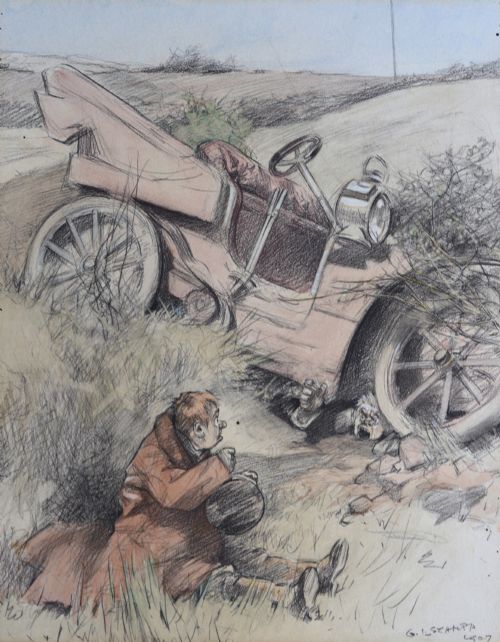
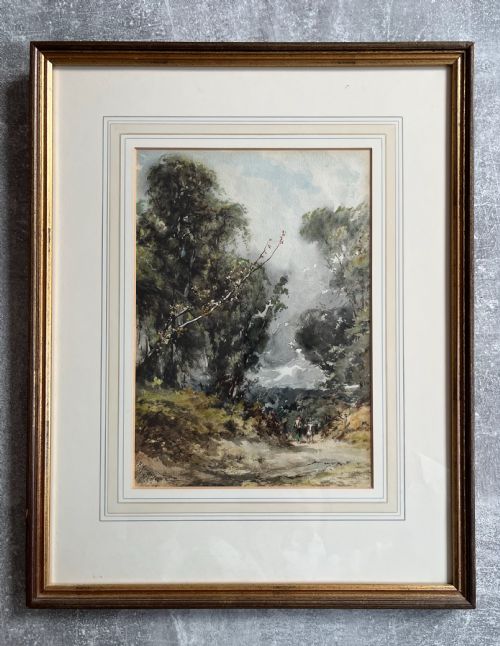
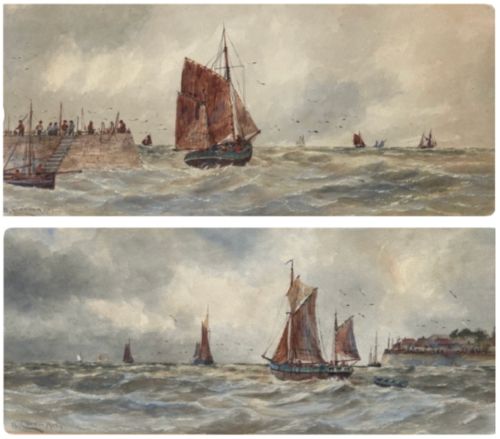
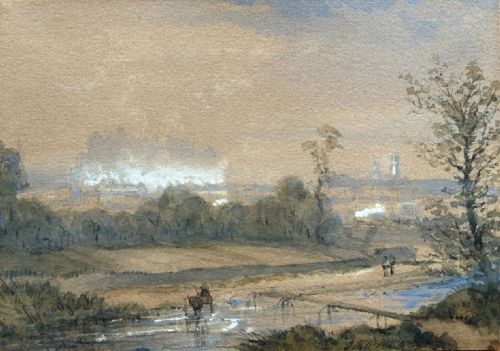
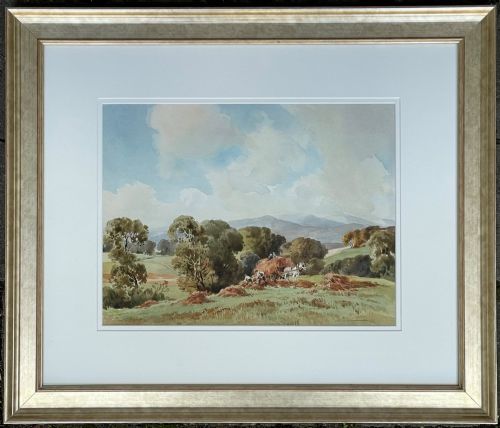
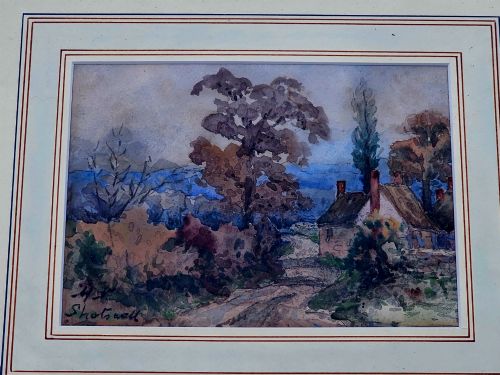
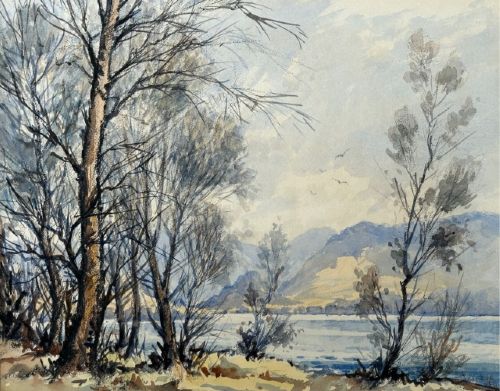
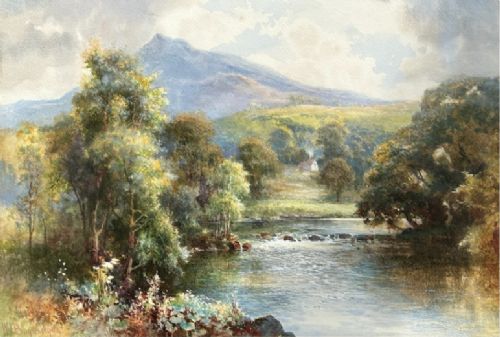
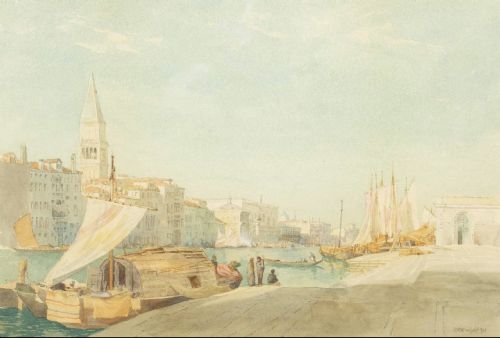
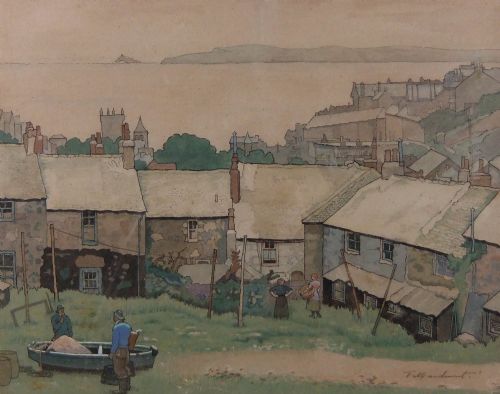
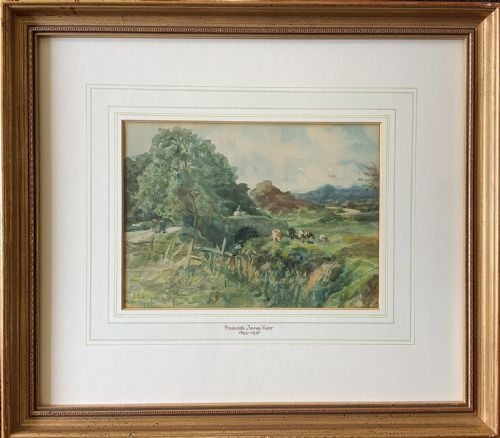
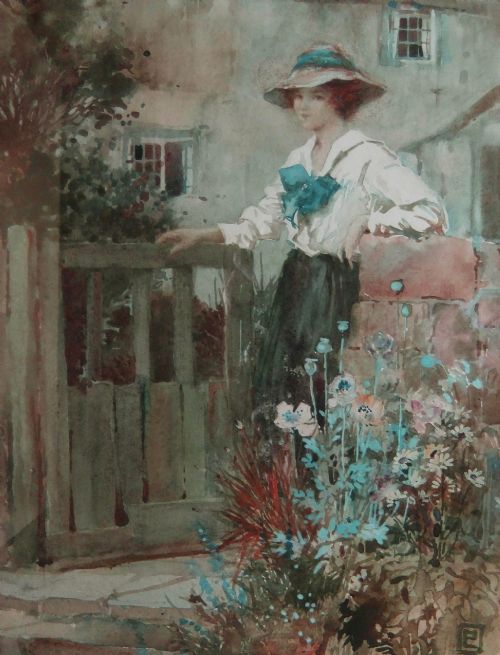
An original british watercolour picture captures landscapes, coastal scenes, and domestic portraits created across the nineteenth and twentieth centuries. These paintings reflect the changing artistic movements of Britain, moving from traditional topographical views toward impressionistic brushwork.
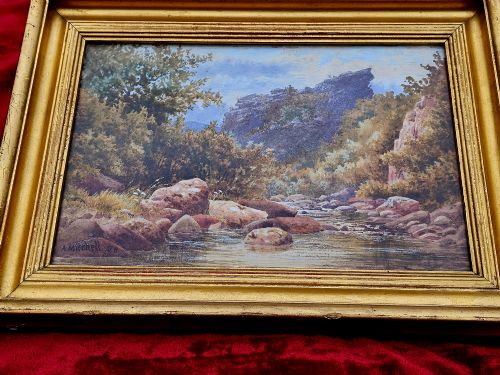
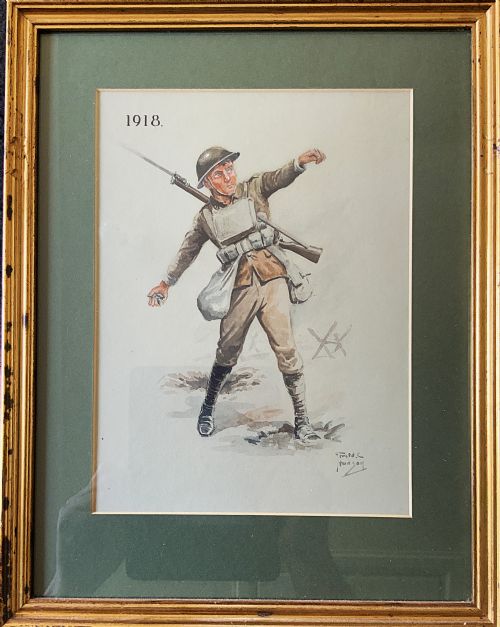
The pieces encountered most frequently on this page date from the Victorian and Edwardian eras through to the mid-century. They range from intimate sketches of Welsh rivers and Yorkshire abbeys to detailed maritime and military scenes.
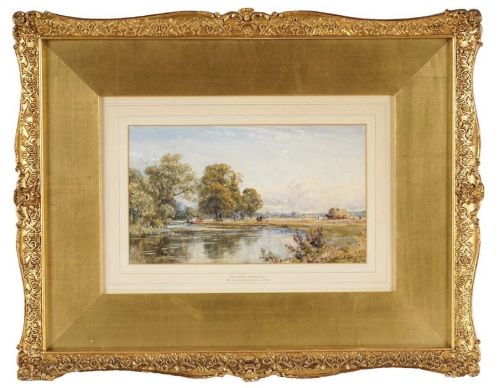
Framed securely under glass, these works preserve the delicate touch of the artist's hand upon paper. They offer a direct window into historical British scenery and local life.
How they were made
Artists applied watercolour pigment and ink onto paper sheets, sometimes combining wash with gouache to build opacity and depth. The transparency of the medium required swift, confident strokes directly onto the prepared surface.
Works were typically housed within wooden frames, occasionally protected by giltwood moulding, which complemented the pale tones of the image. The survival of these pieces depends upon the quality of the rag paper and the stable environment of the frame.
Listings span the nineteenth and twentieth centuries, incorporating Victorian and Edwardian landscapes alongside mid-century British impressionism.
What varies in quality
The distinction between standard works and exceptional examples lies in the sureness of the draftsmanship and the atmospheric depth achieved on paper. Master painters captured light and weather with immense economy of brushwork, whereas lesser pieces rely on rigid outlines.
Condition also plays a vital role in quality, as exposure to damp or direct sunlight causes fading and foxing on the paper. Strong contrast, vibrant preserved pigment, and original framing elevate the stature of a composition.
George Lorain Stampa·George Fotherly Hargitt·William Cannon·John R Prentice·Alfred Young Nutt·Percy Lancaster·Robert Leslie Howey·William Joseph Boyes·Robert Thorne Waite·Richard Henry Wright·Thomas Maidment·Frederick James Kerr·Henry Martin Pope·William Frederick Settle·Alfred George Morgan·Cornelius Pearson·James Tower·Charles Gregory·Samuel Timmins·William Lee Hankey·Henry Charles Fox·John Rattenbury Skeaping·Arthur Wardle·Robert Little·Arthur Reginald Smith
The Original British Watercolour Picture Glossary
- Watercolour pigment
- Finely ground colour particles mixed with a water-soluble binder. This medium allows for luminous washes and delicate layering.
- Giltwood
- Wood carved and coated with a thin layer of gold leaf. It is commonly found on traditional frames from the nineteenth century.
- Wash
- A thin, fluid layer of diluted watercolour paint spread across the paper. It creates smooth skies and atmospheric backgrounds.
- Gouache
- An opaque watercolour paint containing added white pigment. It provides solid highlights and greater weight to painted details.
- Topographical art
- Accurate landscape representation depicting actual locations and buildings. These works served as visual records before the widespread use of photography.
Original British Watercolour Picture: Frequently Asked Questions
How should I hang watercolour pictures?
Keep these works away from direct sunlight to prevent the pigments from fading over time. Indirect natural light or soft interior illumination works best for paper-based art.
Ensure the room humidity remains stable to protect both the paper support and the original wooden or giltwood frame.
Are these paintings truly one of a kind?
Every piece on this page is a hand-painted original created directly by the artist. There are no mass-produced prints or mechanical reproductions among these listings.
Brush marks, pencil underdrawings, and unique paper textures confirm the individual nature of each artwork.
How do I identify the date of a watercolour?
Many artists signed and dated their work directly on the front or inscribed details on the reverse of the paper. Frame styles, paper watermarks, and subject matter also offer strong clues to the period.
Victorian and Edwardian works often feature distinctive clothing, architecture, or landscape markers that anchor them in time.
What is the difference between watercolour and gouache?
Traditional watercolour relies on transparent washes that allow the white of the paper to shine through. This creates luminous skies and gentle atmospheric effects.
Gouache incorporates opaque white pigment, giving artists the ability to lay down solid highlights and richer, heavier blocks of colour.