
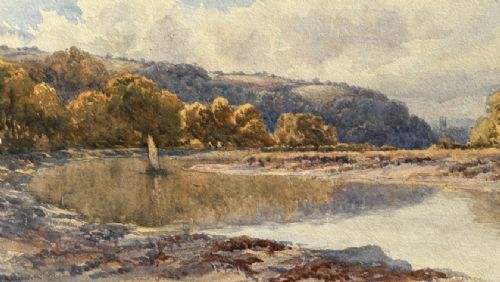
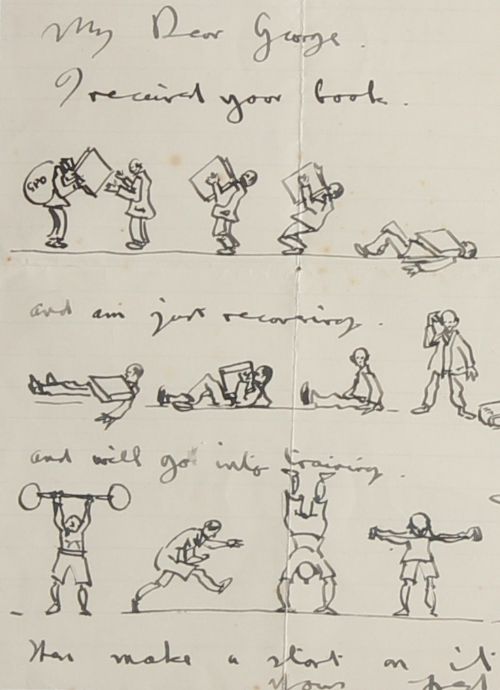

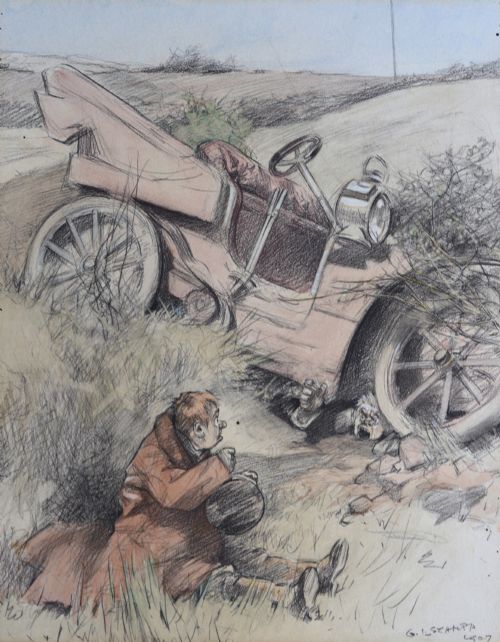
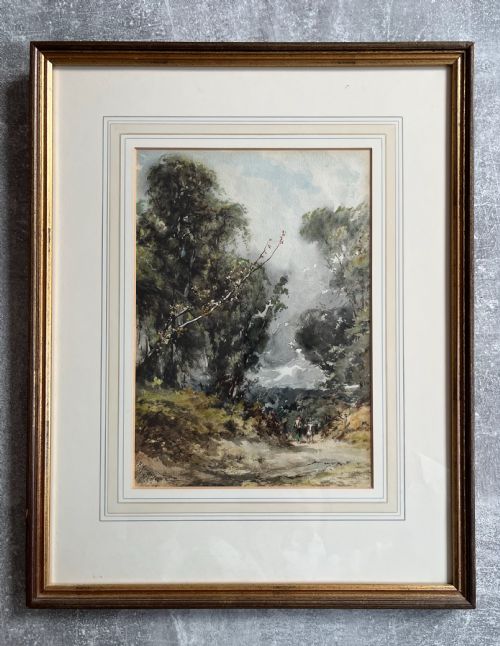



Original British Watercolour Artwork
Original british watercolour artwork brings tangible historic scenes into a room through transparent pigment handled with practiced skill.
Original British Watercolour Artwork
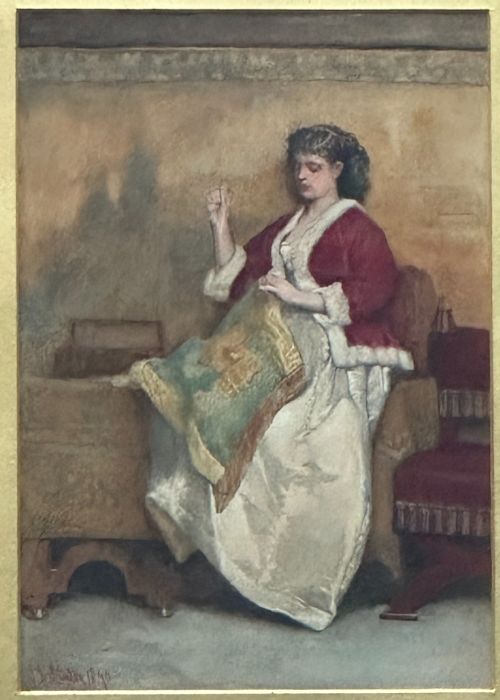
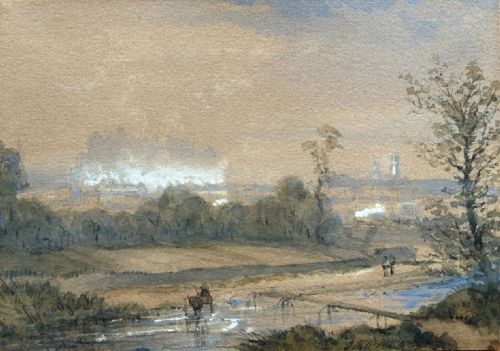
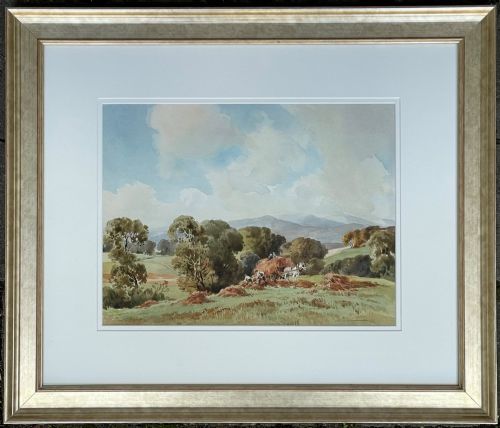
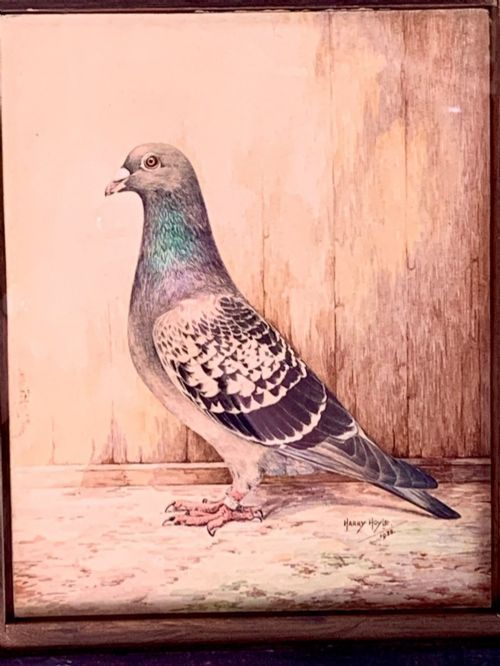
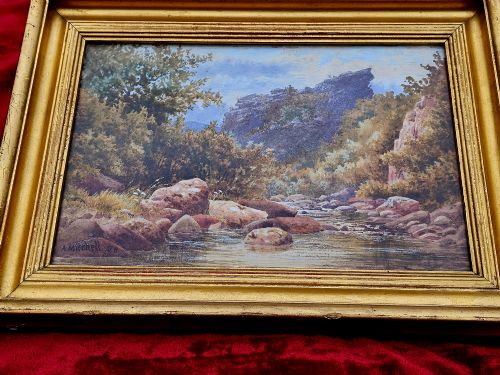
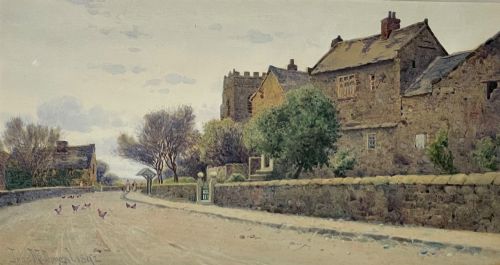
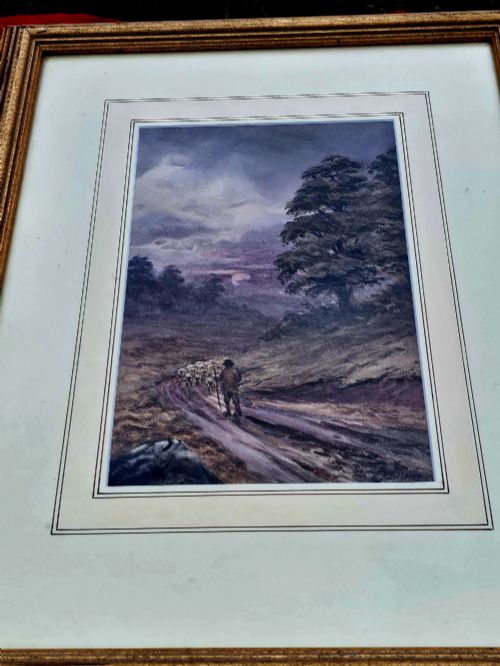
Original british watercolour artwork covers framed paintings on paper spanning the nineteenth and twentieth centuries. Buyers encounter landscape views, coastal scenes, marine subjects, and portraiture created by regional and Royal Academy artists.
The pieces on this page range from Victorian and Edwardian works through mid-twentieth-century examples. Common subjects depict village life, agricultural landscapes, and harbour views across Britain and Europe.
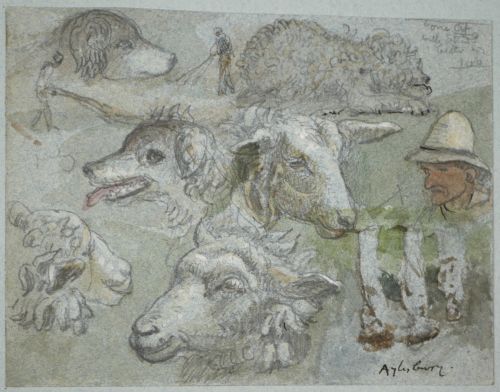
Traditional forms include both single sheets and paired drawings executed in wash and pigment. Each item preserves the distinct hand of its creator through visible brushwork and preparatory graphite lines.
Materials and techniques
Artists built these paintings using watercolour pigment and water applied to paper supports. Many works incorporate ink, wash, or graphite underdrawing to define architectural details and landscape contours.
Finished pieces were typically protected behind glass within wooden frames to shield the delicate water-soluble pigments from moisture and light.
The listings span the Victorian, Edwardian, and mid-twentieth-century periods, utilising paper, watercolour pigment, ink, and graphite.
Variations in quality
Quality rests upon the sureness of the brushwork and the artist's command of light and atmosphere. Superior examples display confident handling of transparent washes that capture depth and movement without heavy reworking.
Compositional strength and the preservation of vibrant pigment distinguish accomplished studio works from hurried sketches. The integration of paper tone and pigment density marks the difference between standard topographical records and compelling fine art.
George Lorain Stampa·George Fotherly Hargitt·James Orrock·Sir James Dromgole Linton·John R Prentice·Thomas Ellison·Alfred Young Nutt·Percy Lancaster·James Smetham·John McDougal·EJ Letheren·Robert Leslie Howey·James E Aitken·Charles Edward Dixon·William Banks Fortescue·William Joseph Boyes·Henry Silkstone Hopwood·Muriel Metcalfe·Fred Lawson·Robert Thorne Waite·John Smith Atherton·Hector Caffieri·Richard Henry Wright·Thomas Maidment·George Oyston
The Original British Watercolour Artwork Glossary
- Watercolour paint
- A medium consisting of finely ground pigment suspended in a water-soluble binder. This allows artists to apply translucent layers that reveal the reflective white paper beneath.
- Graphite
- A form of carbon used for initial sketching beneath the pigment. Traces of these preliminary lines often remain visible near the edges of historical sheets.
- Wash
- A thin, fluid layer of diluted pigment spread across the paper to create skies, water, or broad tonal backgrounds. Controlled washes require a steady hand and rapid execution.
- Support
- The physical base material upon which the artwork is painted. In this collection, the support consists exclusively of historical paper sheets.
- Marine art
- Paintings focused on the sea, shipping harbours, and coastal weather. These works often document specific ports and maritime vessels from the nineteenth and twentieth centuries.
Original British Watercolour Artwork: Frequently Asked Questions
How should I hang original british watercolour artwork?
Keep watercolours away from direct sunlight to prevent the pigments from fading over time. Position them on interior walls where room temperature and humidity remain stable.
Ensure each piece is framed under glass with a mount that prevents the paper surface from touching the glazing. This protective space safeguards the delicate media from condensation.
How can I tell nineteenth-century pieces from later ones?
Nineteenth-century works often favour muted earth tones, highly detailed topographical accuracy, and traditional Victorian narrative compositions. Paper stocks from this era tend to be heavier and carry distinct watermarks.
Twentieth-century pieces from the Edwardian period onward frequently adopt looser brushwork influenced by British Impressionism and modern landscape traditions. Palette choices also shift towards brighter, more direct applications of pigment.
Are these works signed by the artists?
Many of the watercolours bear signatures, monograms, or contemporary inscriptions applied by the artist's hand. These signatures frequently appear in the lower corners alongside dates or location notes.
Unsigned works often originate from established artist studios or are attributed to specific schools based on technique, subject matter, and archival records.