




Original Landscape Artwork Painting
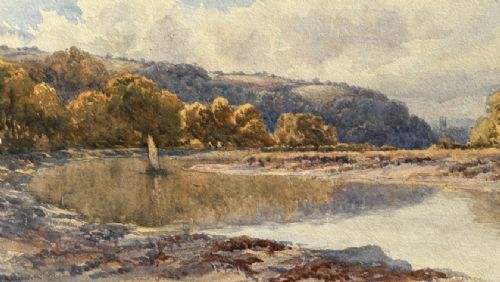
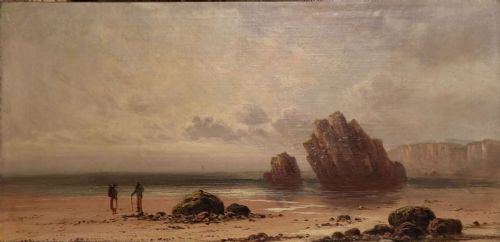
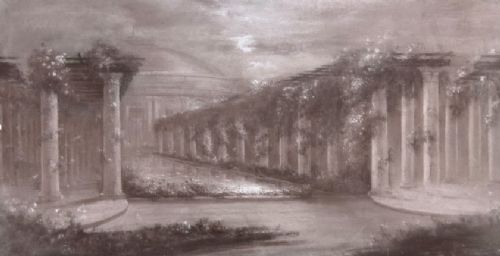
Original landscape artwork painting encompasses framed watercolours and oil panels capturing rural, coastal and river scenes from the nineteenth and twentieth centuries.
Original Landscape Artwork Painting
An original landscape artwork painting is a unique hand-painted depiction of natural scenery, rivers, coastlines or countryside executed directly by an artist rather than reproduced mechanically. These works span nineteenth century romanticism and realism through to early twentieth century impressionism and mid century British views.
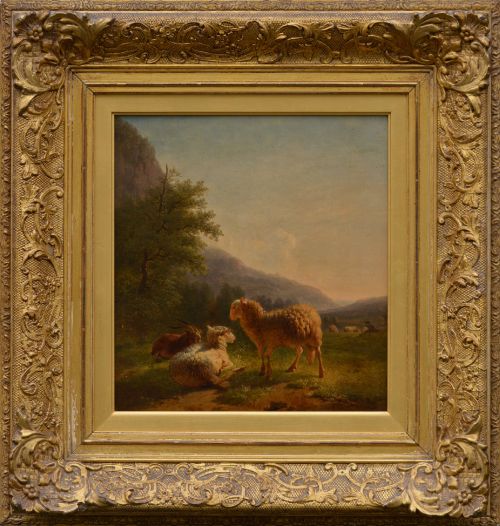
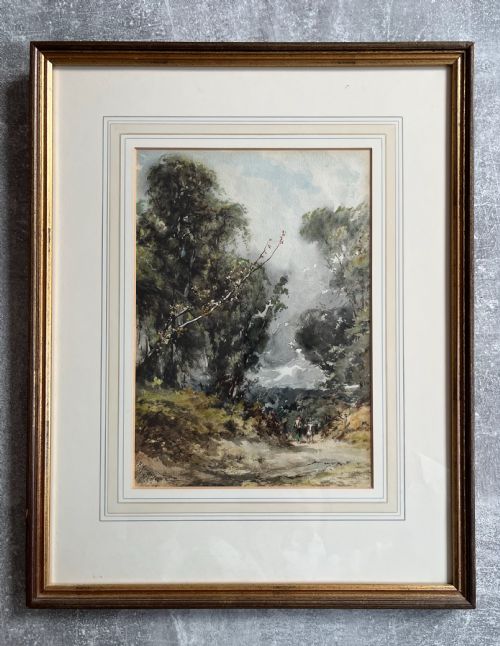
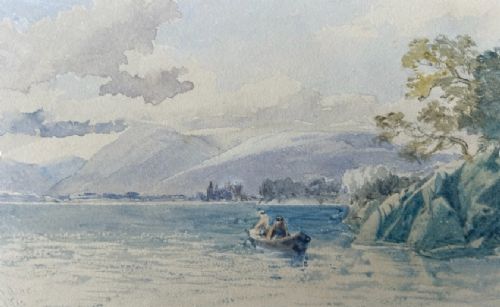
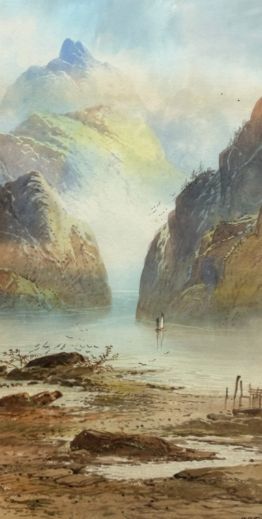
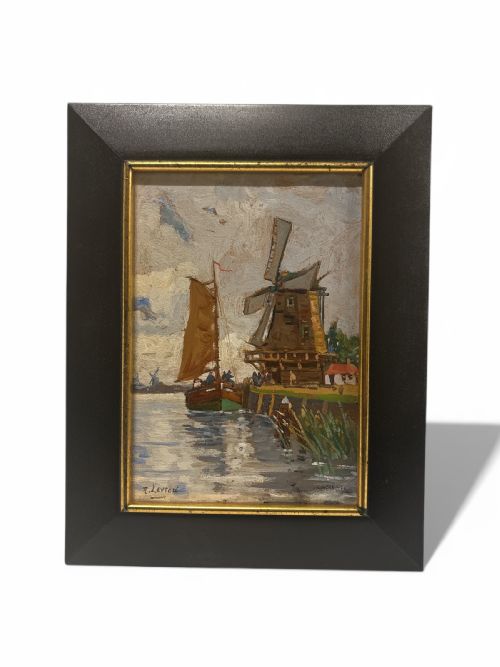
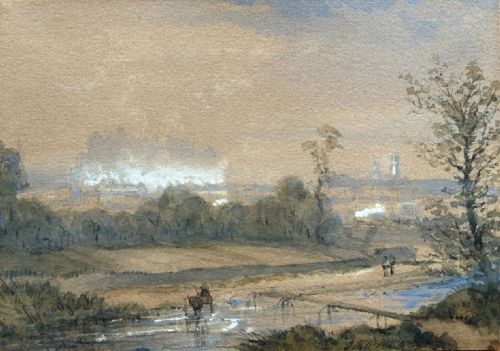
Buyers meet works executed on various traditional supports, most frequently canvas, paper, wood panels and boards. Subjects range from Scottish highlands and Cumbrian lakes to maritime harbours and pastoral fields with cattle or sheep.
The selection includes pieces created across multiple decades, predominantly drawing from Victorian, Edwardian and mid twentieth century periods. Signatures from named artists frequently appear alongside unsigned observational studies.
Materials and methods
Artists painted using oil and watercolour pigments applied to prepared surfaces such as stretched canvas, wood panels, board and paper. Oil paint allowed for layered brushwork and impasto texture, whilst watercolour pigment utilised transparent washes on paper.
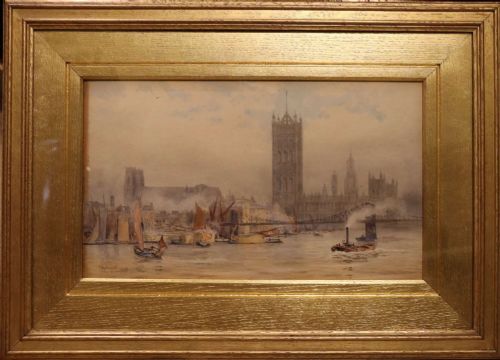
Works are typically framed behind glass for watercolours or set within wooden mouldings for oil paintings on canvas and panel. Supports range from paper attached to canvas stretchers to solid timber panels.
Listings feature works created across several decades, spanning the nineteenth and twentieth centuries through to nineteen sixty.
Elements of quality
Quality rests upon the handling of light, atmosphere and perspective by the artist, distinguishing skilled observation from mechanical execution. Stronger works demonstrate confident brushwork, depth in composition and balanced tonal relationships within the scenery.
The condition of the pigment and the support also determine the standard of a piece. Well preserved surfaces retain vibrant colour and stable paint layers without extensive cracking or paper degradation.
David Law·H Medlycott·Kenneth Cozens·Eugène Verboeckhoven·George Fotherly Hargitt·Thomas Miles Richardson Jnr·James Orrock·William Henry Earp·R Leyton·John R Prentice·William H Myers·Tom Campbell·Alfred Young Nutt·Clifford Hanney·W Klombeck·Percy Lancaster·Frederick Marriott·Arthur Wardle·John Horace Hooper·A Mitchell·A Marie Parsons·William Joseph Shayer Senior·John McDougal·Alfred Fontville de Breanski Jr·Sidney A Court
The Original Landscape Artwork Painting Glossary
- Watercolour
- A painting method where fine pigment is suspended in a water-based, usually gum-arabic solution, applied in translucent washes onto paper.
- Impasto
- Paint applied thickly to a canvas or panel, standing visibly above the surface and retaining the marks of the brush or palette knife.
- En plein air
- A French term describing the practice of painting outdoors directly from the subject to capture natural light and atmospheric conditions.
- Canvas stretcher
- The wooden framework upon which an artist's canvas is secured and tensioned prior to painting.
- Provenance
- The documented history of ownership or origin associated with a work of art.
Original Landscape Artwork Painting: Frequently Asked Questions
How do I hang a vintage watercolour safely?
Watercolours require placement away from direct sunlight to prevent the pigments from fading over time. Glazing with conservation glass further protects the paper and the delicate washes.
Ensure the hanging wire and wall fixings match the weight of the framed piece securely. Stable indoor humidity also prevents the paper from buckling within the frame.
Can I clean an old oil painting?
Surface dust can be removed gently from an oil painting using a soft, dry artist's brush. Avoid using household cleaners, water or solvents on the paint layer.
Any deeper cleaning or removal of aged varnish requires a professional conservator. Intervening improperly can permanently damage the original pigment.
What is the difference between oil and watercolour?
Oil paint utilises a slow drying medium that allows artists to blend colours directly on the canvas and build thick impasto textures. Watercolour relies on transparent washes where the white of the paper provides luminosity.
Oils are traditionally painted on canvas or wood panels and displayed without glass. Watercolours are executed on paper and require framing under glass for protection.
How do I date an antique landscape painting?
Dating relies on clues such as artist signatures, exhibition labels, and the style of the clothing or architecture depicted in the scene. The materials used, including the type of canvas stretcher or backing paper, also indicate the period.
Comparison with documented works by the same artist or school helps narrow the decade of creation. Reference books and auction records provide further benchmarks for style and technique.