
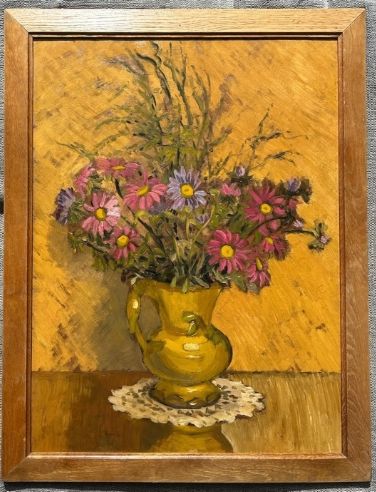

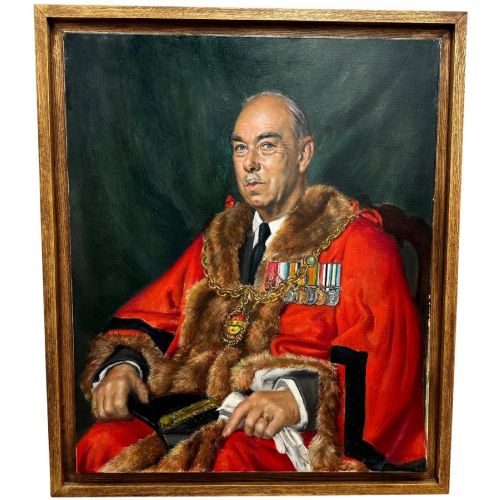


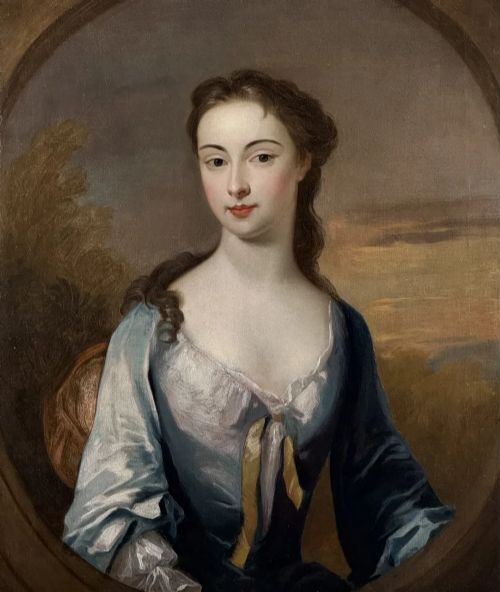
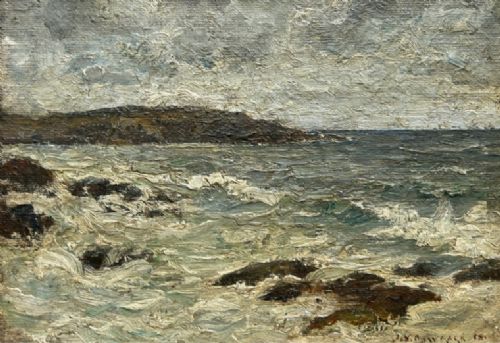
Original British Oil Painting
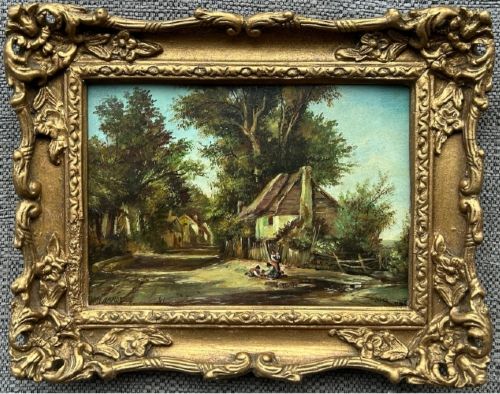
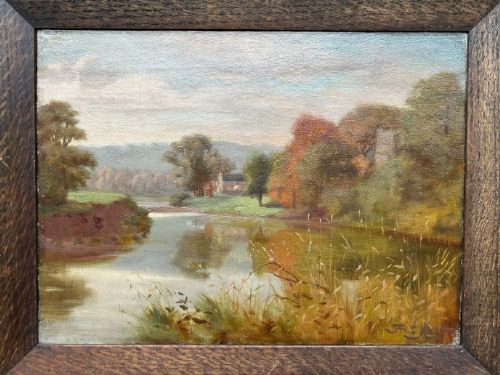
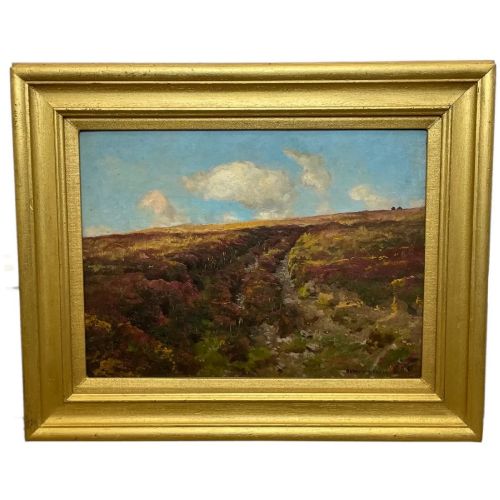
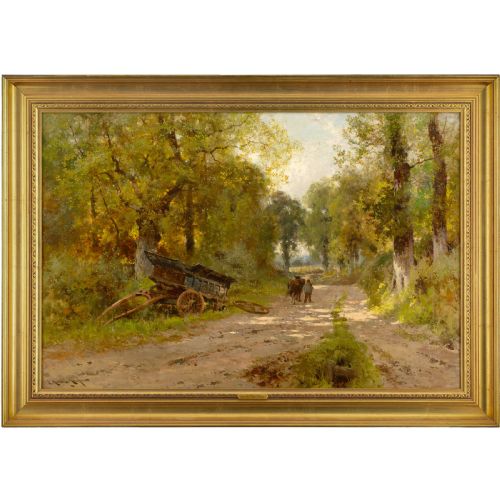
An original british oil painting brings historic rural views, coastal scenes and intimate portraits directly into domestic rooms.
Original British Oil Painting
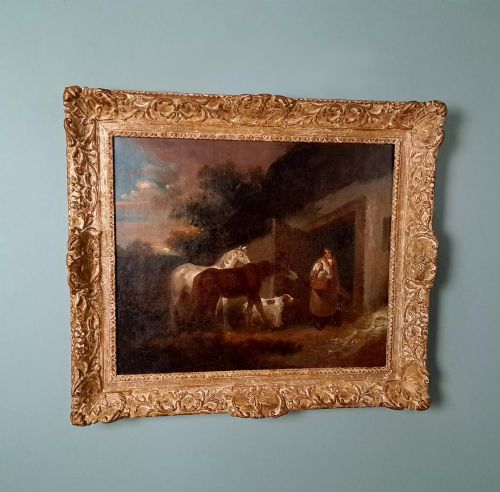
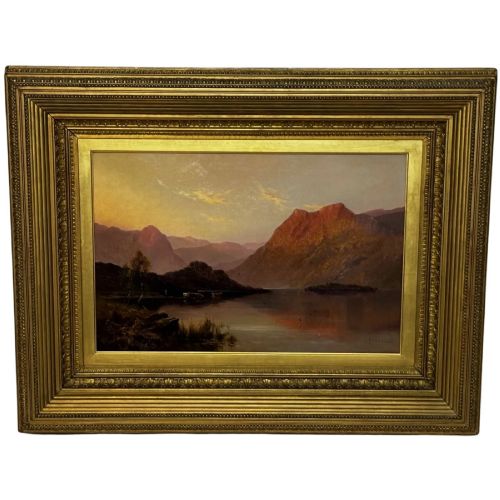
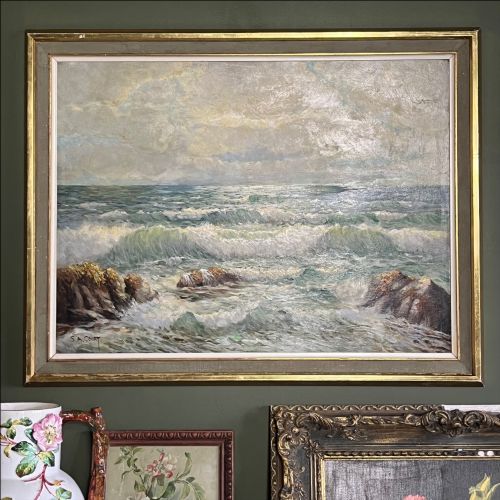
When searching for an original british oil painting, collectors encounter centuries of regional landscapes, coastal harbours, townscapes and character portraits. The selection spans quiet Victorian pasture scenes, robust Edwardian interpretations and expressive mid-century depictions of Cornwall and Yorkshire.
Works appear across diverse supports including stretched canvas, wooden panel, artist board and heavy card. Subjects range from grand estate portraits to intimate en plein air studies painted directly on location.
Rural valleys, working fishing trawlers, domestic interiors and floral still lifes dominate the available compositions. Pieces frequently carry signatures, dates or exhibition markers that tie them to specific regional schools.
How they were made
Artists applied pigmented oil paint onto prepared supports such as woven canvas, wooden panels or thick boards using bristle brushes and palette knives. Ground layers and priming coats were applied first to seal the surface and provide a stable base for subsequent layers of oil medium.
The technique relied on the slow drying time of oil paints, allowing makers to blend tones, build rich impasto textures and rework passages over days or weeks. Finished works were frequently secured within carved wooden frames that protected the edges of the canvas or panel.
Listings feature 19th Century, Victorian, and mid-20th Century periods across canvas, wood, and board supports.
What varies in quality
Quality rests in the confidence of the brushwork, the handling of natural light and the structural balance of the composition. Superior examples demonstrate precise control over atmospheric perspective and tonal harmony rather than mere mechanical replication of a view.
The preservation of the original paint surface, the stability of the support and the absence of heavy overpaint distinguish masterworks from simpler provincial student exercises. Original framing and documented artist provenance further elevate individual pieces within the market.
Kenneth Cozens·Bernard Hailstone·Tom Campbell·Clifford Hanney·Charles Jervas·Arthur Wardle·John Horace Hooper·William Joseph Shayer Senior·Oliver Clare·Kershaw Schofield·Stephen Samuel Lewin·Robert Morson Hughes·David Bates·Benjamin Barker of Bath·Alfred Lyndon Grace·Lucy Pratt·Francis Moltino·Margaret Sarah Carpenter·John Opie RA
The Original British Oil Painting Glossary
- Canvas
- A tightly woven fabric, usually linen or cotton, stretched across a wooden frame to serve as a painting support.
- Impasto
- A technique where oil paint is laid thickly on the surface, leaving visible brush or palette knife marks.
- En plein air
- The practice of painting outdoors to capture direct observations of natural light and weather.
- Panel
- A flat piece of wood or wooden board utilised as a rigid alternative to stretched canvas.
- Provenance
- The documented history of ownership that traces a work of art from its creation to the present day.
Original British Oil Painting: Frequently Asked Questions
How do I care for an oil painting?
Keep the painting away from direct sunlight, damp environments and extreme temperature fluctuations to protect the wooden stretcher and fragile oil pigments.
Dust the surface gently with a dry, soft brush when necessary, avoiding water, chemical cleaners or abrasive cloths.
What is the difference between canvas and panel?
Canvas offers a flexible, textured fabric surface that yields slightly under pressure and requires periodic tension checks.
Panel provides a rigid, solid wooden or board foundation that resists punctures and movement over decades of display.
How do I identify the period of a work?
Examine the materials of the support, framing methods, stretcher construction and artist signatures alongside any exhibition labels on the reverse.
Stylistic conventions in clothing, architecture and brush technique also provide reliable clues to the decade of creation.
Where should I hang my painting?
Select an interior wall with stable ambient conditions away from heat sources like radiators or fireplaces to prevent paint cracking.
Position the centre of the canvas at eye level to ensure comfortable viewing within your living space.