
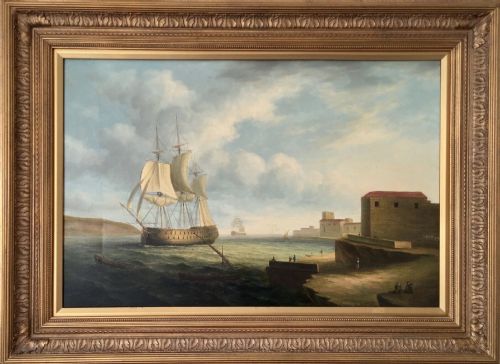


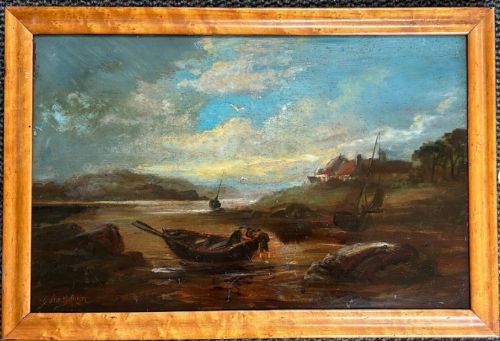


Coastal Oil on Panel
Coastal oil on panel paintings capture harbours, vessels and shores with remarkable texture, offering an enduring window into maritime life.
Coastal Oil on Panel
When you search for coastal oil on panel, you encounter maritime scenes, harbour views and coastal landscapes rendered directly onto rigid wooden supports.
The selections span from the nineteenth century through the mid twentieth century, encompassing British Impressionism, Victorian marine works and continental harbour scenes.
You meet various formats here, from intimate miniature Italian seascapes to larger depictions of warships and liners executed by named artists and regional painters.
Factors influencing quality
Skill in handling light, atmosphere and maritime perspective separates exceptional coastal paintings from standard topographical records.
The condition of the wooden panel and the preservation of the original oil pigment layers determine the longevity and visual impact of the piece.
The records show works from the nineteenth century, 1910, 1920, 1930, 1950 and 1960 utilising oil paint on wood panels.
Pieter Cornelis Dommersen·James Kyd·Fernando Del Basso·Florence Hess·Sam Bough·Charles Cameron Baillie·George Smith·Stephen Brownlow
The Coastal Oil on Panel Glossary
- Panel
- A rigid support made of wood used by artists instead of canvas for painting. It provides a firm surface that prevents the flexing and cracking associated with stretched fabrics.
- Impasto
- Paint applied thickly to a canvas or panel, standing out in relief from the surface. This technique adds tactile depth and movement to water and sky.
- Marine painting
- Artwork that depicts ships, harbours, coastal views and the sea. These subjects flourished during the nineteenth and twentieth centuries across British and European schools.
- Gilded wood
- Wood that has been coated with a thin layer of gold leaf or gold paint. Frames finished in this manner frequently accompany nineteenth century oils.
Coastal Oil on Panel: Frequently Asked Questions
Why use wood panels instead of canvas?
Wood panels offered painters a rigid and durable surface that could withstand the rigours of outdoor painting and sketching trips along the coast.
This stability prevented the sagging and tension issues common with woven canvas supports over long periods.
How do I care for an oil on panel painting?
Keep the artwork away from direct sunlight, damp environments and significant temperature fluctuations that might cause the wood panel to warp.
Dust the surface gently with a dry, soft brush and avoid using any liquid cleaners on the oil paint.
Are these paintings usually signed?
Many works bear the signature or monogram of the artist, sometimes accompanied by a date or location inscribed on the panel or reverse.
Other pieces remain unsigned or indistinctly signed while still displaying clear stylistic attribution to specific periods.
How do I identify a nineteenth century panel?
Examine the reverse of the wooden support for tool marks, maker stamps, old labels and the natural ageing of the timber.
The framing style, pigment composition and subject matter also offer strong clues to the period of execution.