



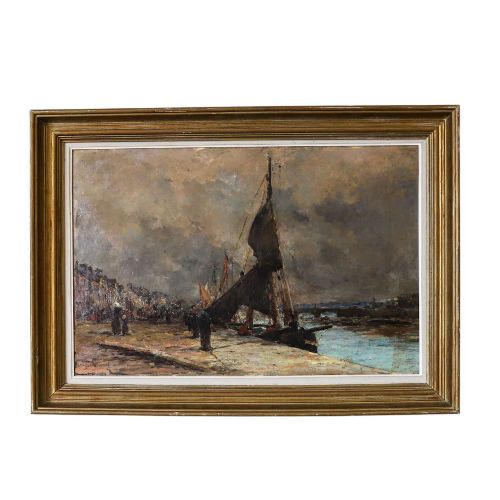
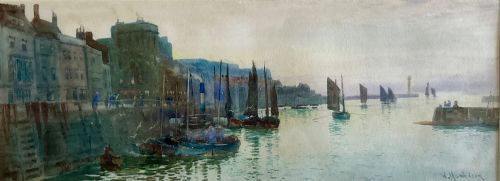
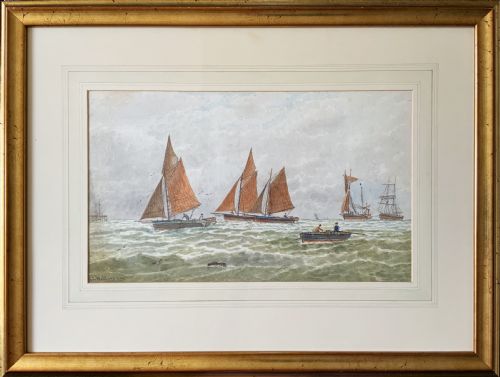
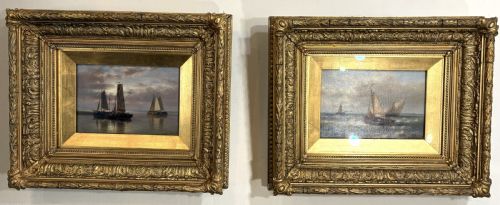
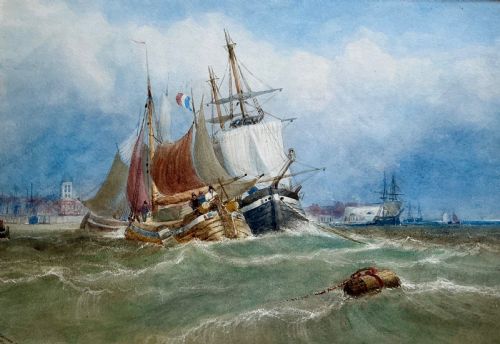
Original 19th Century Seascape
When selecting an original 19th century seascape, you are choosing a window into the maritime heritage and coastal life of the Victorian era.
Original 19th Century Seascape
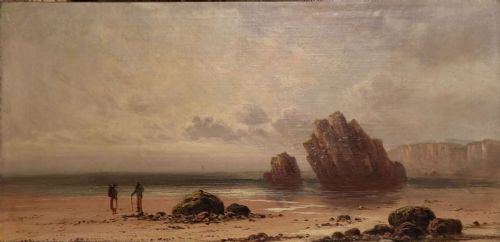
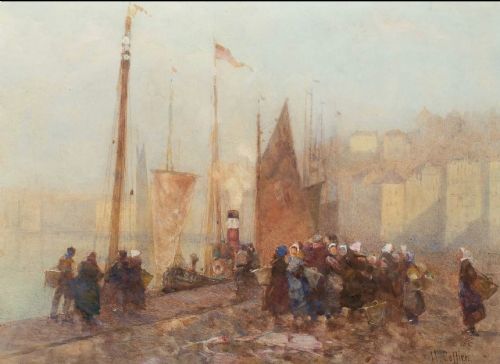
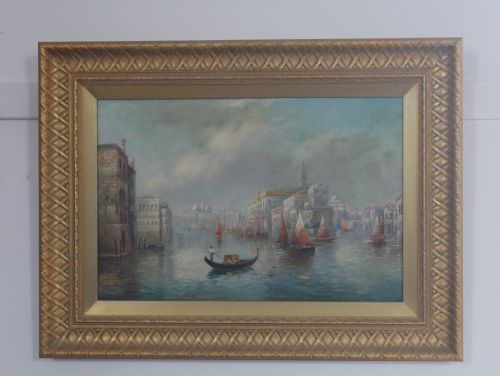
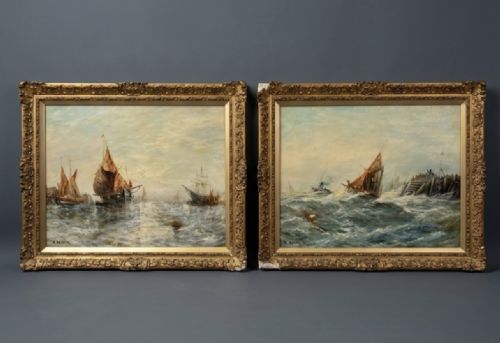
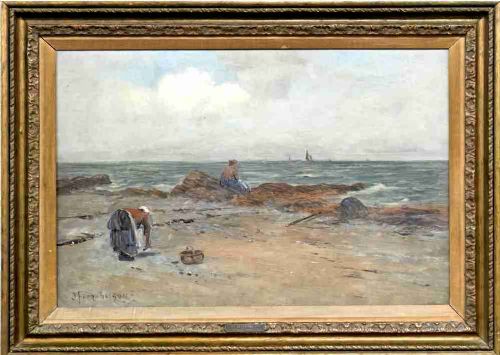
An original 19th century seascape captures the changing moods of the sea, from calm harbours and bustling fishing ports to dramatic, storm-tossed coastal waters. Buyers search for these pieces to bring authentic period atmosphere and maritime history into their interiors. You will frequently encounter works depicting British and European shores, featuring local craft, sailing ships, and rugged shorelines.
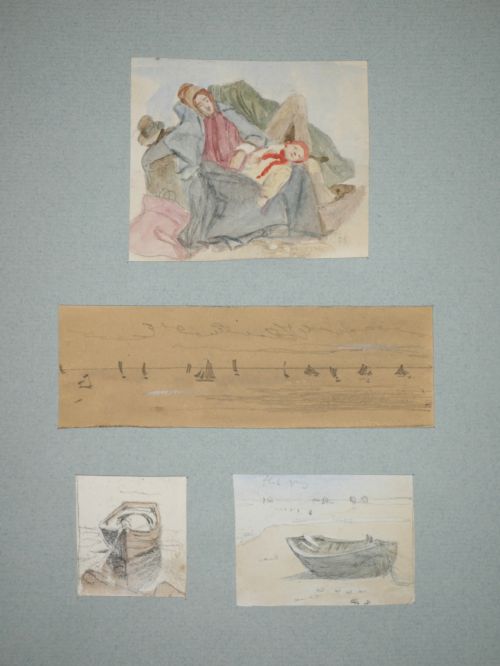
The selections span watercolours on paper and oil paintings on canvas, card, or wood panels. Many retain their period gilt frames, adding to their decorative presence on the wall. Whether you prefer the delicate detail of a harbour sketch or the rich texture of a painted stormy sea, these artworks document the nineteenth-century relationship with the coast.
How They Were Made
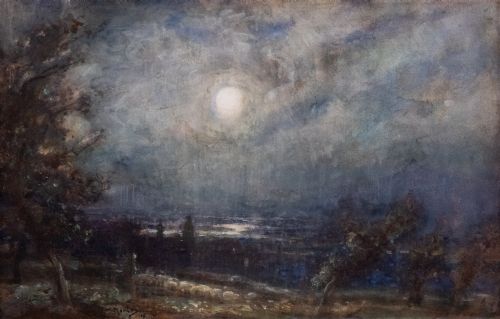
Artists worked primarily in oil on canvas or board, and watercolour pigment on paper, applying layered washes or thick brushstrokes to capture light and movement on the water. Watercolour paintings on paper often utilised gum arabic to deepen tones and create luminous effects on sea and sky.
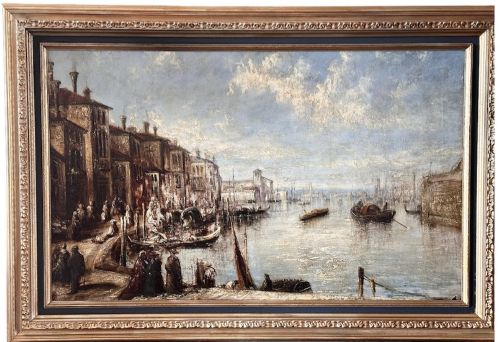
Canvases were stretched over wooden frames and frequently housed within decorative gilt wood surrounds that complemented the maritime subject matter. Draughtsmanship relied on precise preliminary sketches before final application of pigment, particularly for detailed depictions of shipping vessels and rigging.
Venice and various British coastal towns appear frequently as settings in nineteenth-century maritime watercolours and oils.
What Varies in Quality
Quality rests upon the artist's ability to render atmosphere, light, and the natural physics of water with conviction and balance. Superior examples demonstrate confident brushwork, precise handling of marine architecture such as shipping rigging, and a harmonious composition that draws the viewer into the coastal scene.
The condition of the medium also distinguishes works, with well-preserved watercolours retaining their original pigment vibrancy without excessive fading, and oil paintings showing stable surfaces free from heavy retouched areas. Original period framing further enhances the desirability and contextual integrity of the piece.
James Orrock·William Banks Fortescue·Thomas William Morley·Francis Moltino·Hector Caffieri·Joseph Farquharson·William Matthison·George Stanfield Walters·Abraham Hulk I·Henry Barlow Carter·John Moxon·William Frederick Settle·Thomas Bush Hardy·Sir Thomas Newenham Dean·Adrian Van Porten·John McDougal·John Douglas Perrett·John Mitchell·Samuel Owen·Kate E Booth·Alfred Pollentine·Alfred Henry Vickers·E Tucker·Frank Wasley·John Wilson Carmichael
The Original 19th Century Seascape Glossary
- Seascape
- A work of art depicting the sea, coastal views, ships, or marine subjects. These compositions focus primarily on open water or coastal environments.
- Gilt Wood
- Wood carved and coated with gold leaf or metallic gilt finish. This material is standard for period frames enclosing nineteenth-century paintings.
- Watercolour
- A painting method where coloured pigments are suspended in a water-based solution on paper. It allows for translucent washes and delicate atmospheric effects.
- Oil on Canvas
- Pigment mixed with drying oils applied to a woven fabric stretched across a frame. This combination provides rich texture and depth.
- Provenance
- The documented history of ownership of an artwork. It helps establish authenticity and origin.
Original 19th Century Seascape: Frequently Asked Questions
How do I care for a watercolour seascape?
Watercolours require protection from direct sunlight to prevent fading of the delicate pigments on paper. Display them away from damp environments and maintain stable indoor temperatures.
Ensure the framing uses acid-free materials and glass that blocks ultraviolet light. Professional mounting preserves the paper and prevents contact with the glazing.
Were these paintings made outdoors?
Many nineteenth-century artists produced preliminary sketches and watercolours en plein air directly on the coast. Finished oil paintings were typically completed later in the studio using these field studies for reference.
Artists often returned to familiar ports and harbours along the British and European coasts to capture accurate details of shipping and local weather.
How can I tell the difference between oils and watercolours?
Oil paintings feature a textured surface where thick brushstrokes or smooth glazes are applied to canvas, board, or wood panels. They reflect light differently and generally do not require protective glass.
Watercolours are executed on paper, displaying translucent colour washes and fine line work under glass. The paper substrate remains visible in unpainted highlight areas.
Why do some seascapes feature specific ships?
Many maritime artists documented named vessels, royal navy ships, and local fishing fleets to record contemporary commercial and naval activity. These works served as historical records of shipping development during the nineteenth century.
Collectors often seek out depictions of specific ports or named clippers for their local and historical significance.