

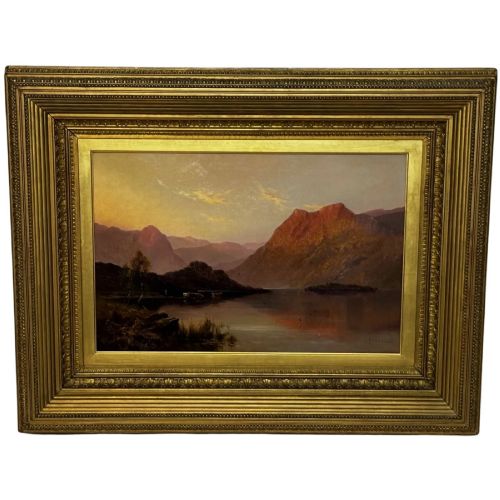
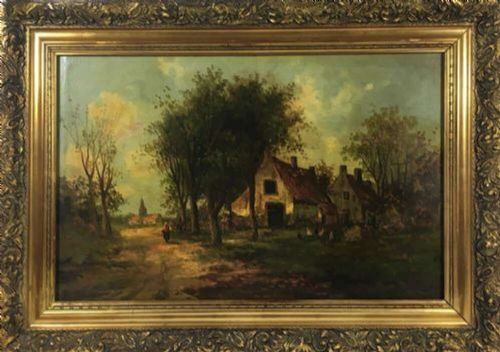
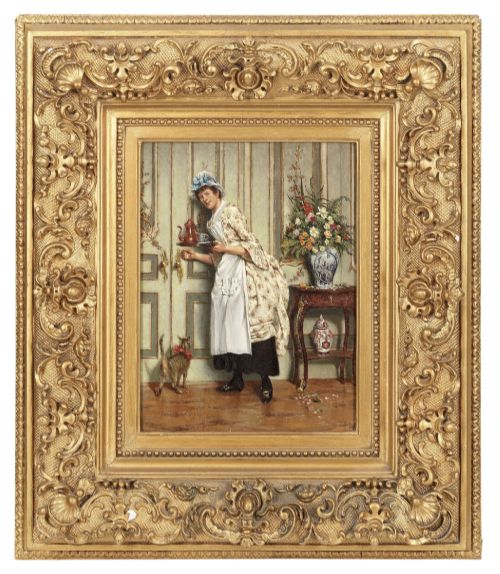
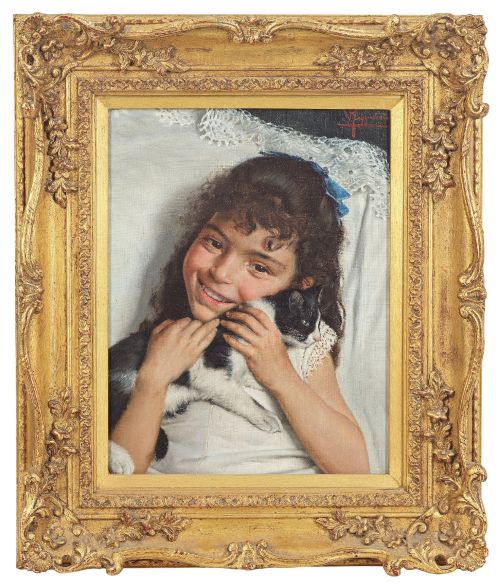
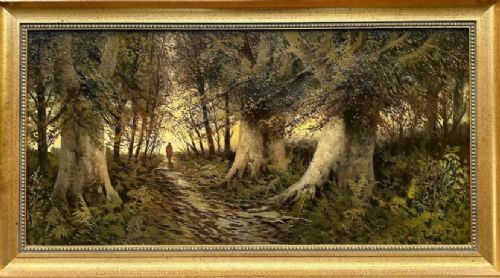
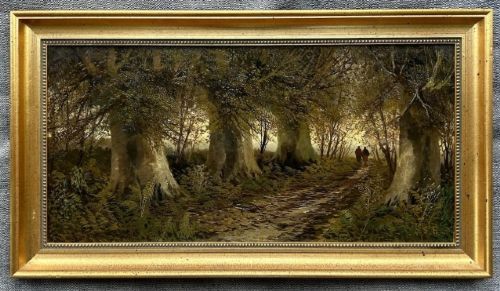
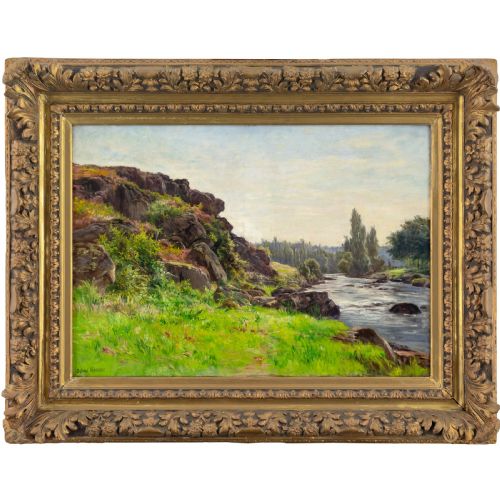
Original 19th Century Oil
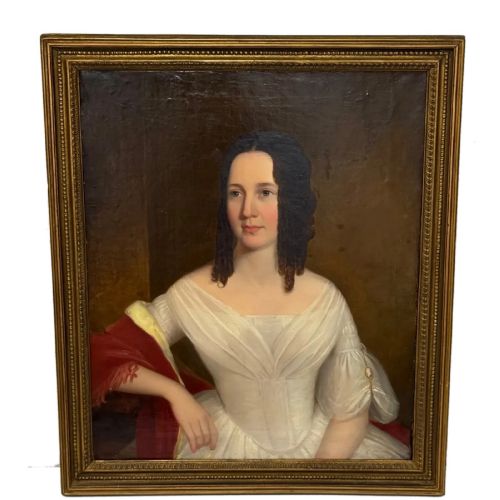
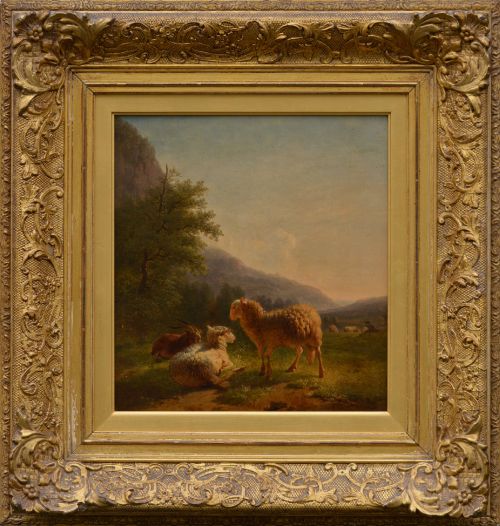
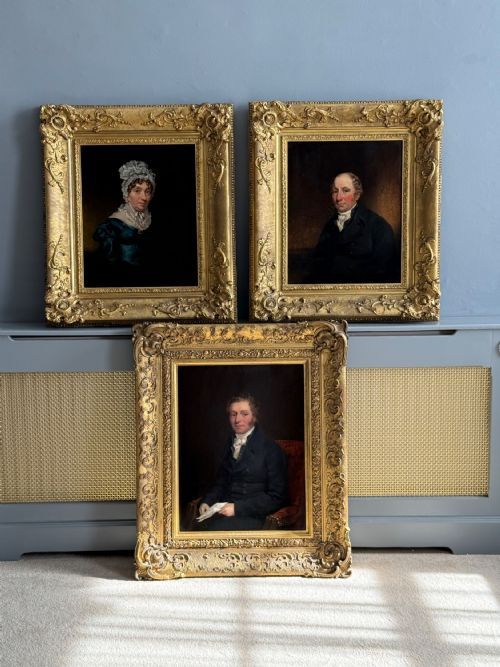
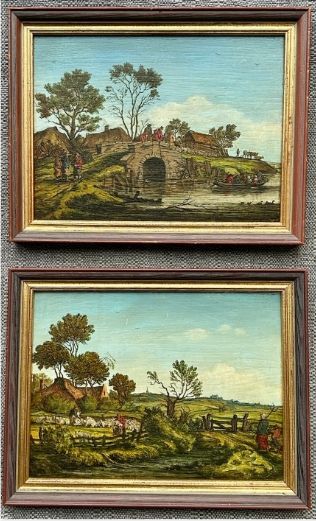
Original 19th century oil paintings capture the landscapes, portraits, and rural scenes of the Victorian era through rich brushwork.
Original 19th Century Oil
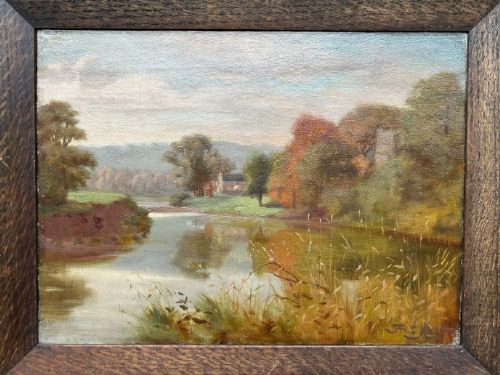
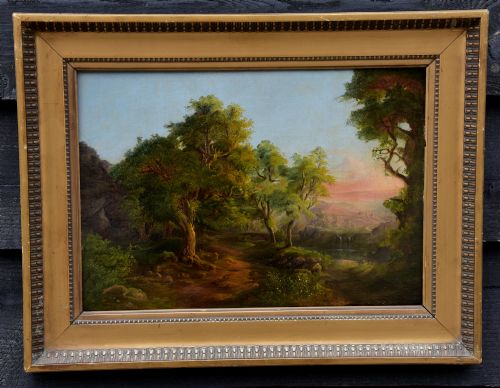
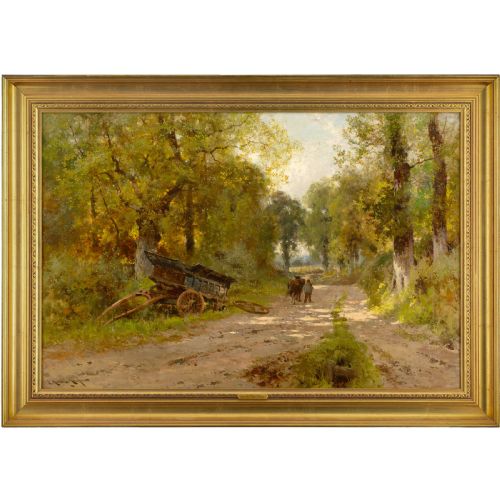
Original 19th century oil paintings encompass landscape, portrait, sporting, and still life subjects created during the 1800s. Buyers browsing this selection encounter works attributed to British, Scottish, and continental European schools spanning from the early decades through to 1900.
The subjects range from tranquil pastoral river scenes and moody highland moorlands to coastal seascapes and domestic interiors. Many pieces reflect regional British topography, including views in Berkshire, Herefordshire, Yorkshire, and Scotland.
Works appear in various formats, from expansive framed canvases to smaller cabinet pieces on wood panels, copper, card, and milk glass. Both signed compositions by recognised painters and naïve or follower works feature prominently in the record.
Judging Quality
Quality rests in the handling of light, atmospheric perspective, and the confidence of the brushwork across the surface. Stronger examples demonstrate a sure command of composition and naturalistic proportion, particularly in complex figures, animals, and landscape architecture.
The integrity of the original support and the survival of the paint layer without heavy restoration dictate the preservation state. Original gilt framing and documented provenance also contribute to the standing of an individual piece within the historical record.
Original 19th Century Oil Retail Price Guide 2026
Typical asking prices for original 19th century oil among the pieces listed under this phrase on Sellingantiques today, from the lower quarter to the upper quarter. They describe what is for sale here now, not the wider market.
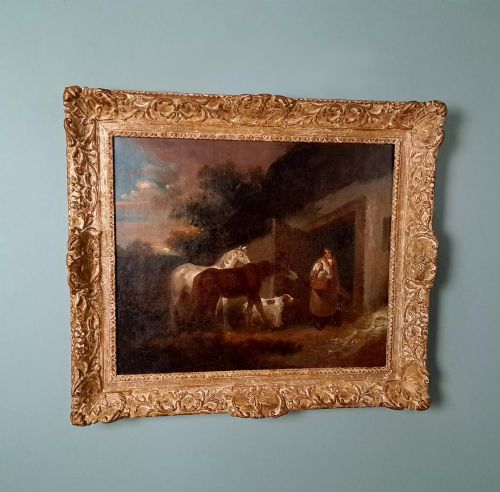
Several canvases capture cows, sheep, and pigs calmly observing pastoral life from the corners of British farms.
John Horace Hooper·Albert Rieger·Henry Cheadle·Walter Emsley·Hubert Sattler
The Original 19th Century Oil Glossary
- Canvas
- A closely woven fabric stretched across a wooden frame to serve as a painting support. It forms the most common base for oil paintings from the period.
- Gilded wood
- Wood carved and coated with a thin layer of gold leaf or metallic powder. This technique provides the ornate metallic finish seen on many period frames.
- Wood panel
- A flat solid piece of timber, often mahogany or oak, used as a rigid painting support. Panels frequently appear in smaller landscape and interior formats.
- Provenance
- The documented history of ownership of an artwork from its creation to the present day. Verified collection histories add significant context to a painting.
- Verso
- The back of a painting canvas, panel, or paper support. Signatures, titles, and dealer stamps often appear on this reverse side.
Original 19th Century Oil: Frequently Asked Questions
How do I identify the date of a nineteenth-century oil painting?
Dates are often established through artist signatures, exhibition records, framing styles, and the specific composition of the canvas or panel supports.
Secondary clues such as historical inscriptions on the verso or known stylistic periods help narrow the decade of creation.
What is the difference between canvas and panel works?
Canvas works offer a flexible woven support that accommodates larger compositions and textured impasto paint layers.
Wood and copper panels provide a rigid, smooth surface favoured by artists executing finer detail and smaller cabinet formats.
How should I display an antique oil painting at home?
These works require placement away from direct sunlight and excessive humidity fluctuations to protect the oil paint and wooden frames.
Original gilded frames should be handled with care and kept free from moisture during routine cleaning.
What distinguishes British school landscapes from continental works?
British school paintings frequently depict recognizable local topography, rural cottages, and coastal fishing vessels tied to regional geography.
Continental works often showcase distinct mountain ranges, foreign architecture, or traditional tavern scenes rendered by European academies.