



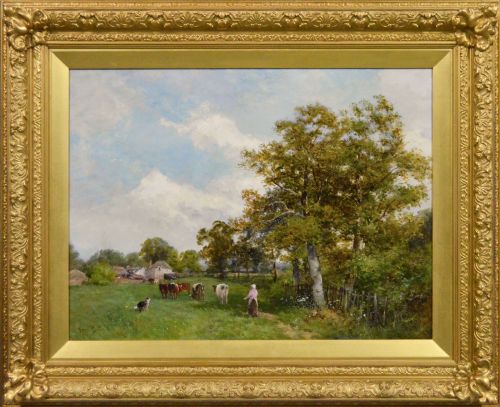
Original 19th Century Oil Painting
An original 19th century oil painting captures the shifting light and romantic realism of a bygone era, offering buyers a genuine window into historical portraiture and landscape art.
Original 19th Century Oil Painting
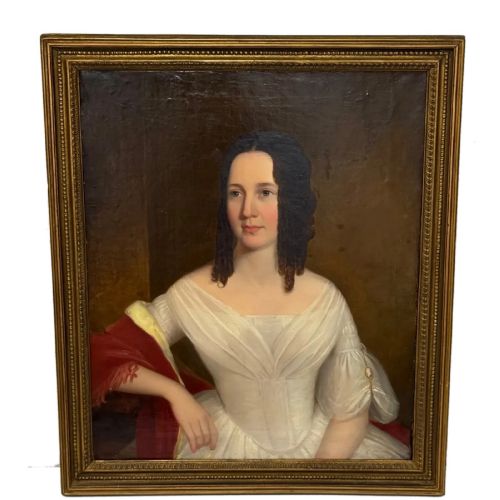
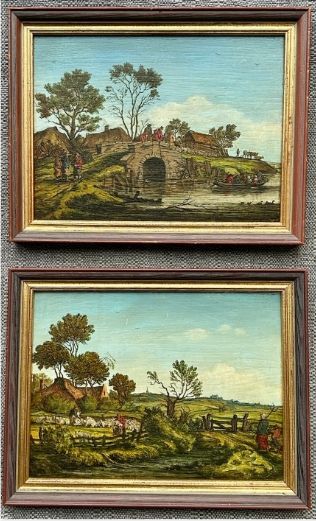
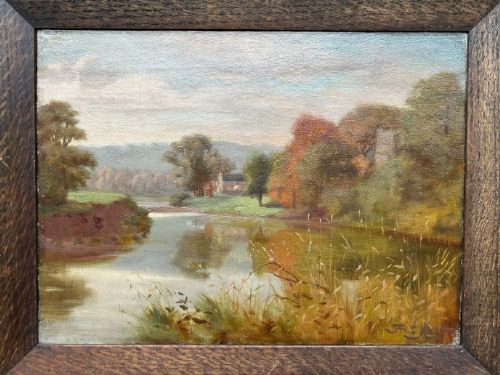
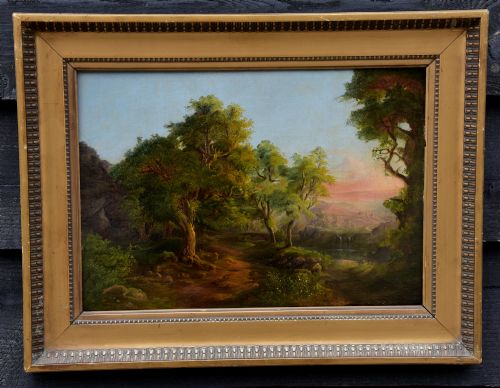
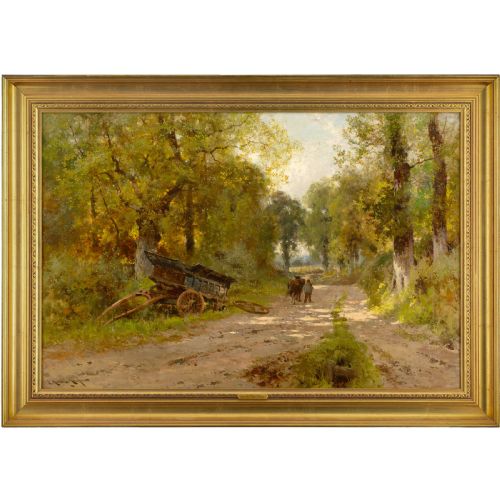
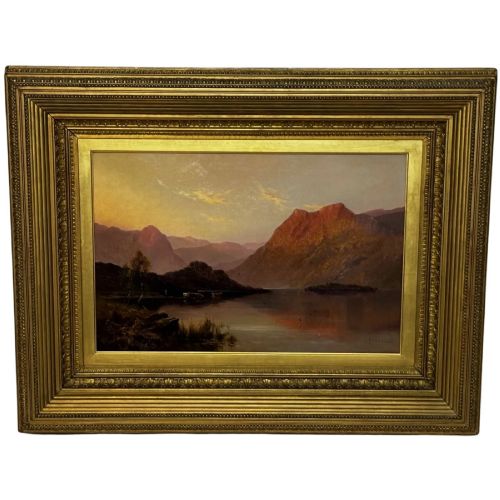
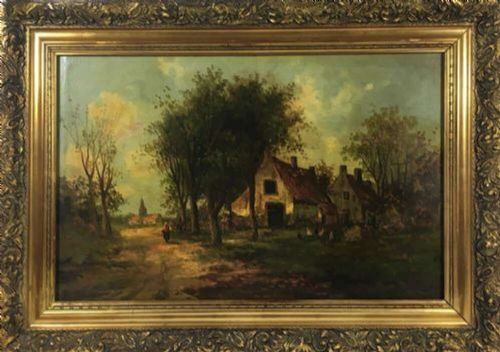
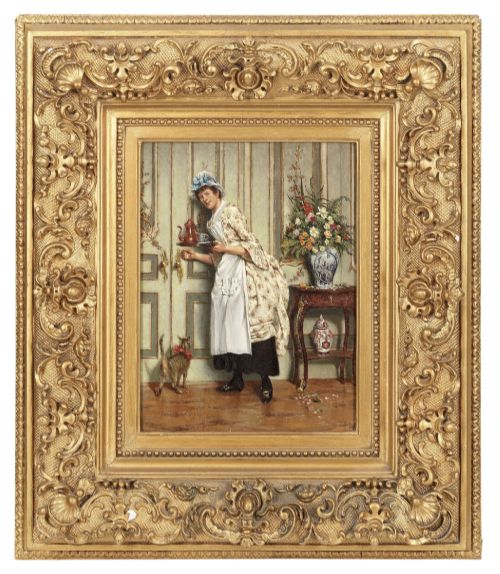
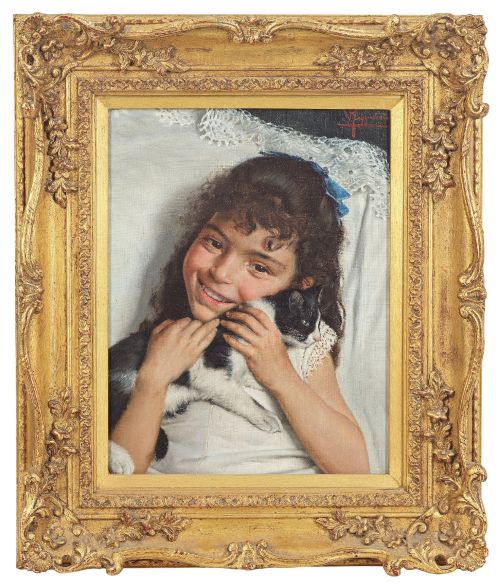
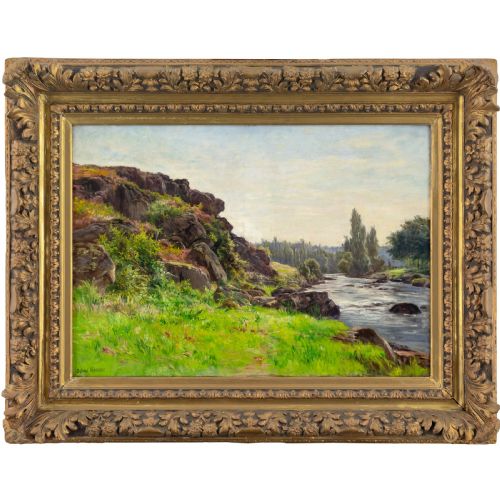
When searching for an original 19th century oil painting, collectors encounter a diverse array of fine art spanning rustic pastoral scenes, luminous coastal views, and detailed portraiture. These works range from intimate cabinet pieces to large framed canvases executed by British, continental, and Scottish artists working within Realist, Romantic, and Impressionist traditions.
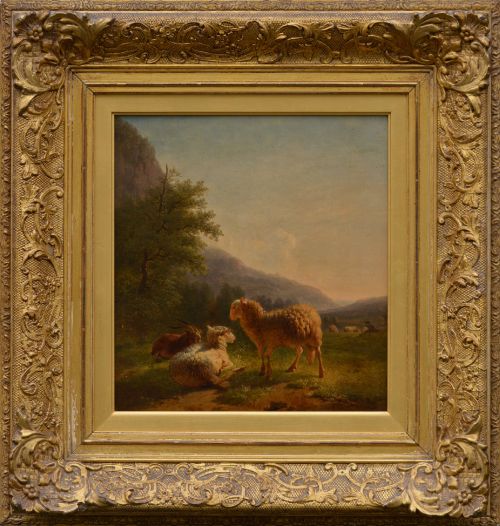
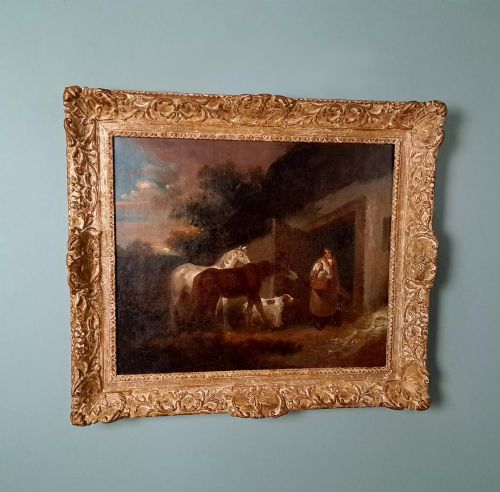
The selections on this page frequently showcase domestic interiors, quiet woodland paths, grand Venetian canals, and agricultural livestock studies. Buyers will find both signed compositions by named painters and accomplished works by regional schools representing the Victorian and Regency periods.
How They Were Made
Artists of this era primarily applied oil paint onto stretched woven canvas, prepared wooden panels, or occasionally card and copper supports. Gesso grounds provided a stable, luminous base for building rich layers of pigment and glaze.
Finished works were commonly housed in heavy wooden frames embellished with carved gesso and gold leaf gilding, which protected the edges and completed the presentation.
Several sheep, cows, and attentive dogs quietly oversee the landscapes from corners of these pastoral canvases.
What Varies in Quality
Quality in these works rests upon the confidence of the brushwork, the handling of natural light, and the anatomical precision of figures and animals. Superior paintings demonstrate a deliberate command of depth, atmosphere, and colour harmony that elevates a standard topographical view into a compelling visual narrative.
The integrity of the original support and the subtlety of the pigment layering further distinguish master studio output from more formulaic commercial production.
Eugène Verboeckhoven·Joseph Clover·John Horace Hooper·William Joseph Shayer Senior·Alfred Fontville de Breanski Jr·Stephen Samuel Lewin·Vittorio Reggianini·Thomas W Lascelles·David Bates·Benjamin Barker of Bath·Albert Clark·Francis Moltino·Margaret Sarah Carpenter·Konstantin Stoitzner·Adelaïde Salles-Wagner·Max Kaltenmoser·Thomas Sidney Cooper·Harald Foss·Albert Rieger
The Original 19th Century Oil Painting Glossary
- Canvas
- A heavy woven fabric stretched across a wooden stretcher frame to serve as the primary painting support. It provides a textured surface that holds layered oil pigments securely.
- Gesso
- A traditional white primer mixture of binder mixed with chalk, gypsum, or pigment, applied to wood panels or canvas to prepare them for oil painting. This creates a smooth, reflective ground.
- Panel
- A flat wooden board or metal sheet used instead of canvas as a rigid foundation for oil paintings. Panels were frequently favored for smaller, highly detailed cabinet works.
- Giltwood
- Timber carved and coated with thin layers of gold leaf or metallic powder to create an ornate decorative frame. It is characteristic of period framing for fine art.
Original 19th Century Oil Painting: Frequently Asked Questions
How do I identify a nineteenth-century oil painting?
Examine the support materials, framing style, and pigment characteristics for signs of nineteenth-century manufacture. Canvas textures, traditional wooden stretchers, and handwritten inscriptions on the reverse often provide reliable chronological clues.
Stylistic conventions also point to the era, reflecting the prevailing landscape, portrait, and genre painting traditions popular during the Victorian and Regency decades.
Were all these paintings created on canvas?
While woven canvas was the dominant support medium, many artists worked on alternative surfaces depending on the scale and regional tradition. Wooden panels, millboard, card, and even copper sheets were frequently utilised for smaller or more detailed compositions.
Each material interacts differently with oil paint, influencing the preservation and texture of the finished artwork.
How should I display an antique oil painting?
Hang the artwork away from direct sunlight and severe humidity fluctuations to protect the oil pigments and wooden support. Maintaining a stable indoor environment prevents the canvas from slackening and safeguards the delicate gilding on period frames.
Proper placement ensures the piece remains a focal point while preserving its structural integrity for years to come.
What subjects were popular in nineteenth-century art?
Artists of this period focused heavily on pastoral landscapes, coastal seascapes, domestic genre scenes, and formal portraiture. These themes resonated strongly with contemporary collectors who appreciated romanticized views of rural life and natural scenery.
Topographical views of Venice and domestic animal studies also appeared frequently across British and continental schools.