

Original 19th Century Canvas
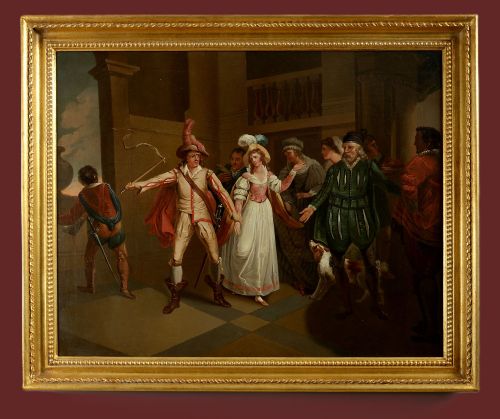
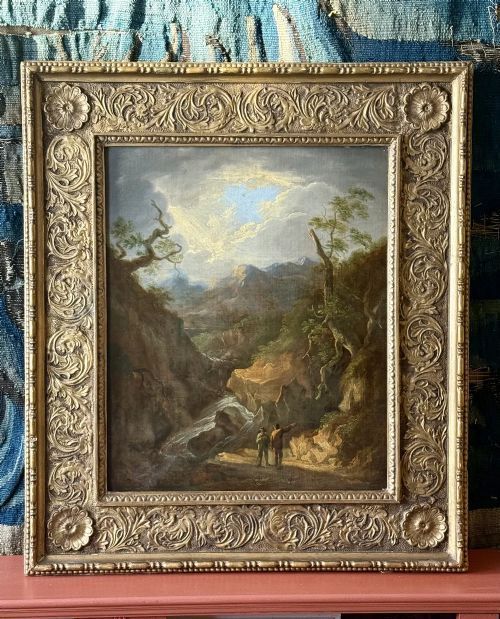
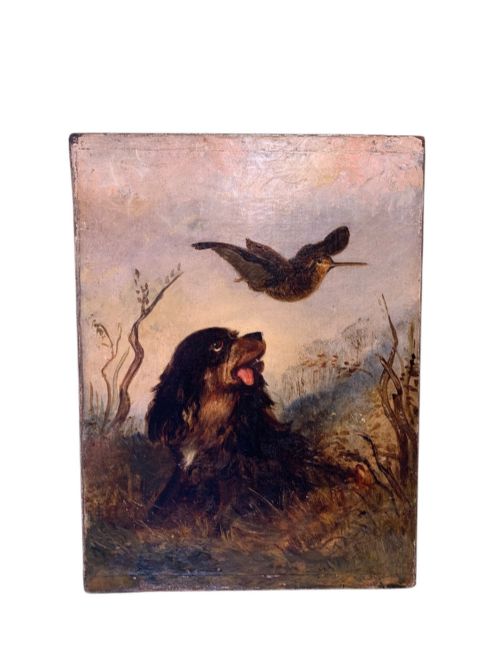
When you explore original 19th century canvas works, you encounter historic oil paintings capturing landscapes, portraits, and rural scenes through enduring painted surfaces.
Original 19th Century Canvas
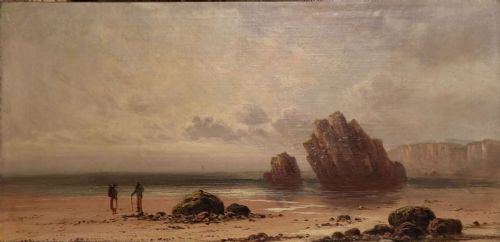
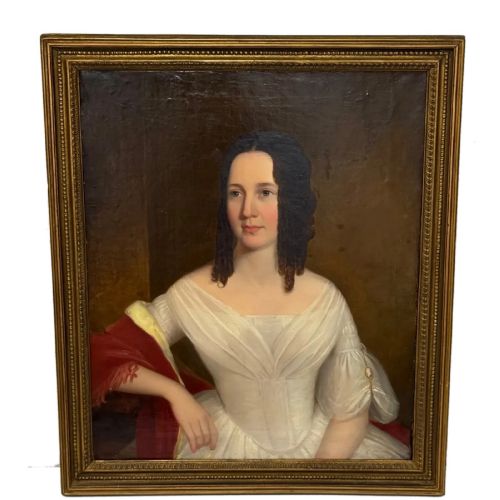
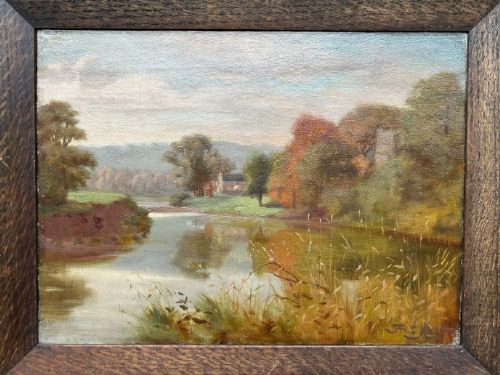
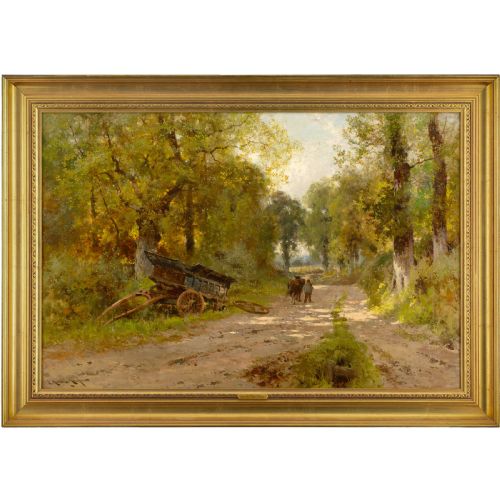
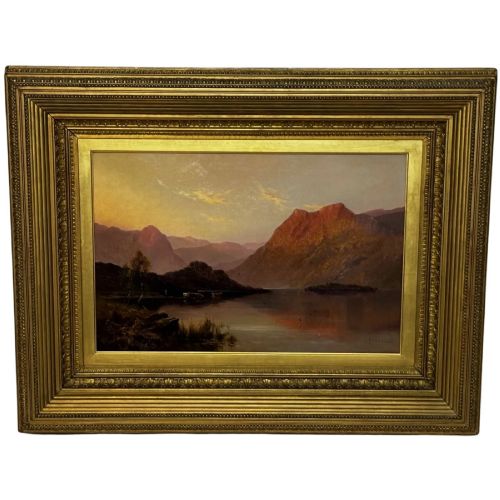
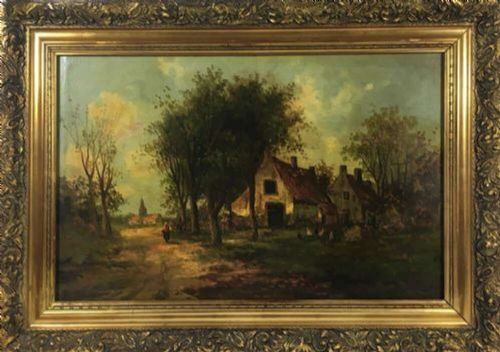
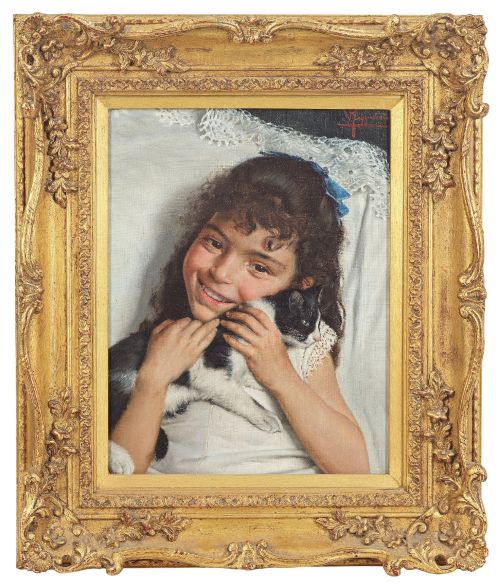
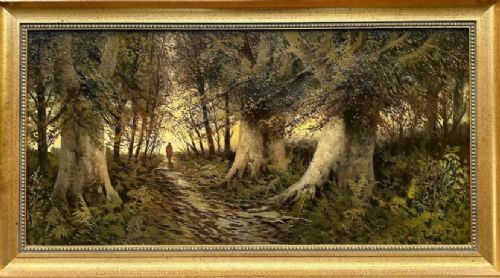
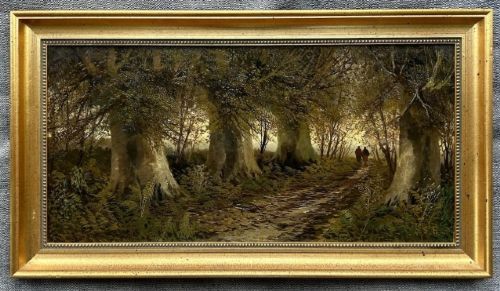
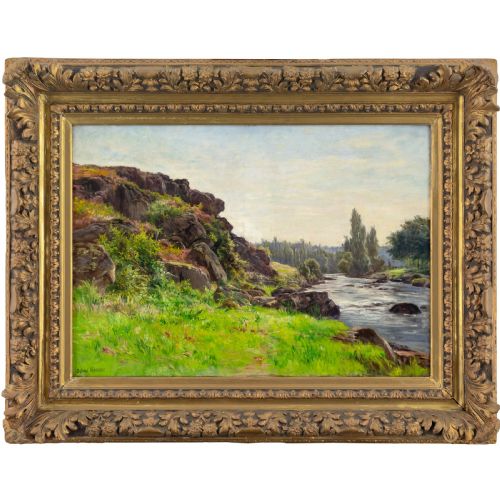
Original 19th century canvas paintings encompass a wide array of fine art subjects, including pastoral views, dramatic coastlines, architectural Venetian scenes, and formal human portraits. These works span various movements such as the Barbizon School, Victorian realism, and romanticism, reflecting the diverse aesthetic priorities of the era.
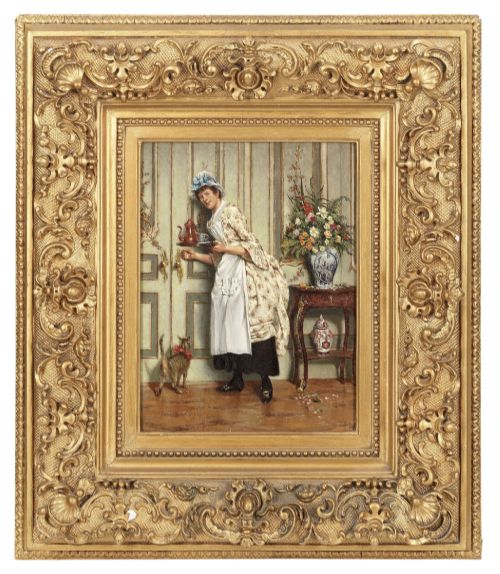
The selections available range from intimate domestic interiors and rustic farmyard scenes to expansive Scottish highlands and European harbours. Buyers frequently encounter framed oil paintings created by British, French, Italian, and Austrian artists working during the Georgian, Regency, and Victorian periods.
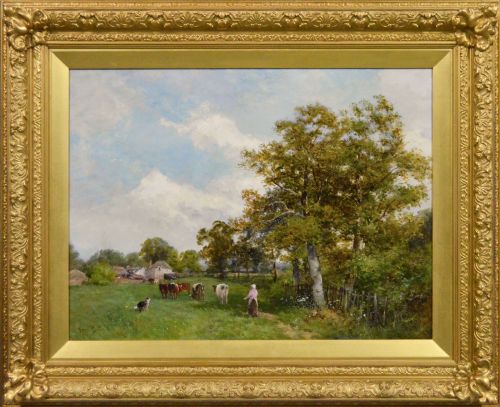
Many surviving examples document everyday life, livestock grazing, and notable historical figures, providing a direct visual link to the period. The subjects vary from tranquil countryside vistas to detailed character studies and animal portraits.
How They Were Made
Artists of the era applied oil paint directly onto woven canvas supports, utilising traditional brushwork to build depth, texture, and tonal variation across the composition. The physical fabric was frequently stretched over wooden frames to maintain tension during the painting process.
Many of these historic canvases are housed within their original decorative giltwood and gesso frames, which were carved and gilded to complement the artwork. The combination of oil pigments, prepared canvas, and ornate wooden framing defines the material structure of these pieces.
Materials documented across the inventory include oil paint, woven canvas, gesso, gold leaf, and carved giltwood framing.
What Varies in Quality
The standard of execution depends heavily upon the artist's anatomical accuracy, brushwork control, and the handling of light and shadow within the composition. Masterful pieces display subtle colour harmonies and confident spatial perspective that elevate the subject beyond a mere record.
The preservation of the paint surface and the integrity of the original canvas stretcher contribute significantly to the overall merit of the artwork. Works retaining their period giltwood frames and distinct artist signatures or legible provenance command stronger historical interest.
Eugène Verboeckhoven·Frederick Marriott·John Horace Hooper·Alfred Fontville de Breanski Jr·Vittorio Reggianini·Thomas W Lascelles·Gabriel Mathieu·David Bates·Benjamin Barker of Bath·Margaret Sarah Carpenter·Konstantin Stoitzner·Adelaïde Salles-Wagner·Max Kaltenmoser·Thomas Sidney Cooper·Harald Foss·Louis Charles Verwee·William Blake Richmond·Stephen Pearce·Albert Rieger·Albin Mattenheimer·Joseph Farquharson·William Watson Jnr·Paul Désiré Trouillebert·Achille Fould
The Original 19th Century Canvas Glossary
- Canvas
- A heavy woven fabric typically made from flax or hemp that served as the primary support surface for oil paintings during the period.
- Gesso
- A traditional paint mixture consisting of a binder mixed with chalk, gypsum, or pigment, applied to wooden frames to create a smooth surface for gilding.
- Giltwood
- Wood that has been decorated with a thin layer of gold leaf or powder, frequently seen on the ornate frames surrounding Victorian fine art.
- Barbizon School
- A French art movement focused on real-life landscape painting, characterised by loose brushwork and direct observation of nature.
- Provenance
- The documented history of ownership and origin for an artwork, establishing its authenticity and lineage over time.
Original 19th Century Canvas: Frequently Asked Questions
How do I identify a 19th-century oil painting?
Examine the canvas weave, stretcher construction, and framing materials for signs of period manufacturing techniques typical of the eighteen hundreds. Artists often signed directly onto the surface or inscribed details on the reverse.
Look closely at the pigment oxidation, craquelure patterns, and preparation layers beneath the paint, which help confirm the age of the materials used.
What subjects were popular in 19th-century art?
Artists frequently painted pastoral landscapes, maritime scenes, domestic portraits, and agricultural animals reflecting rural life and industrial changes. Portraiture of prominent figures and ordinary citizens alike remained a dominant commission format.
European travel destinations, particularly Italian architecture and Venetian canals, also inspired numerous grand compositions during the Victorian era.
How should I care for an antique canvas?
Keep the painting away from direct sunlight, excessive moisture, and rapid temperature fluctuations to prevent the oil paint and canvas from degrading. Stable indoor climates preserve the structural integrity of both the fabric and the wooden stretcher.
Dust the surface and the surrounding frame very gently with a soft, dry brush, avoiding any liquid cleaners or aggressive rubbing.
What is the Barbizon School style?
The Barbizon School represents a French artistic approach focused on naturalistic landscapes painted directly from observation rather than in a studio. These works emphasise atmospheric effects, loose brushwork, and everyday rural scenes.
Artists associated with this movement paved the way for impressionism by prioritising light and mood over strict academic formality.