


Belgian Oil Painting
When you search for a belgian oil painting, you encounter canvases spanning romantic realism to mid-century impressionism.
Belgian Oil Painting
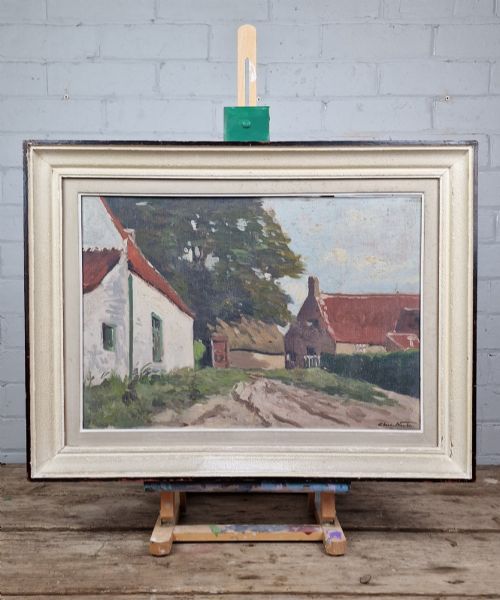
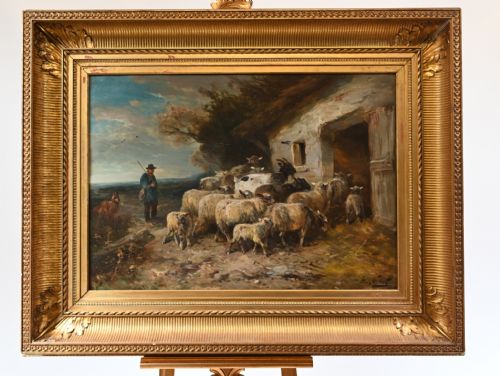
A belgian oil painting captures centuries of regional artistic development, focusing heavily on pastoral scenes, rural farmyards, and coastal harbours. Buyers frequently encounter nineteenth-century academic works alongside later post-impressionist interpretations.
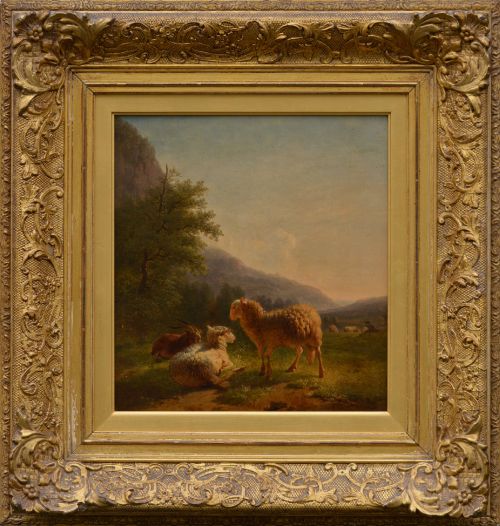
The subjects range from detailed animal studies involving sheep and poultry to quiet domestic interiors and maritime views. Many examples reflect the distinct light and atmospheric conditions associated with Belgian luminism and realism.
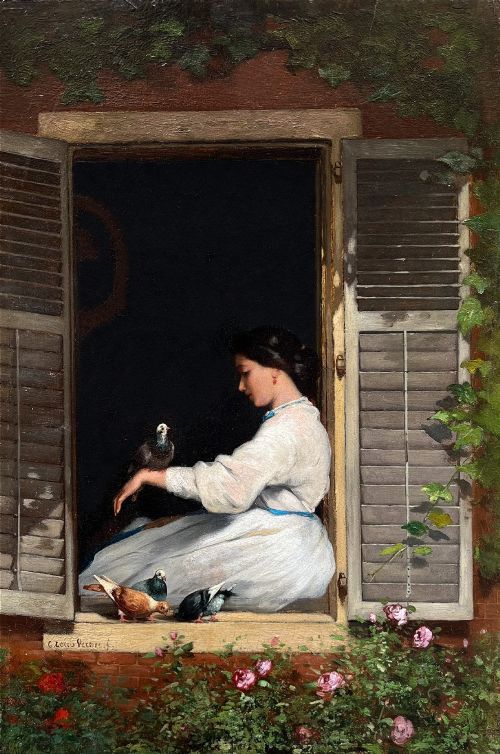
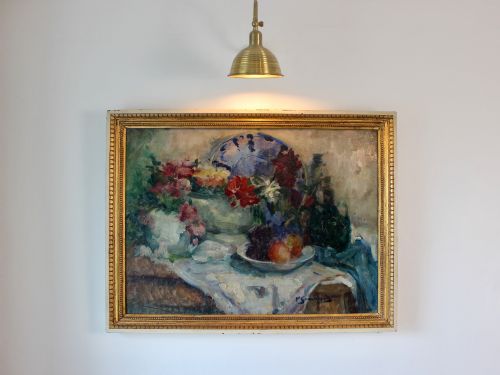
Portraits and still-life displays also appear regularly among these listings, offering insight into urban and rural life across various decades. These artworks typically arrive framed, preserving their original aesthetic context.
Materials and construction methods
Artists painted primarily using oil on canvas or wood panels, sometimes incorporating textured gesso grounds to prepare the surface. The application of oil paint ranges from smooth, academic blending to thick, visible brushstrokes found in later impressionist canvases.
Gilt and gold leaf often accent the period frames that accompany these works, complementing the rich tones of the pigments. Wooden panels and stretcher bars provide the structural support essential for preserving the integrity of the paint layers over time.
Sheep appear with surprising frequency across these Belgian landscapes, serving as steadfast companions in pastoral scenes from multiple decades.
Evaluating the standard of execution
The strength of a belgian oil painting relies on the artist's command of light, shadow, and proportion, particularly within complex landscape and animal compositions. Superior pieces demonstrate confident brushwork and precise anatomical rendering rather than rigid academic formulas.
Preservation of the original paint surface and the condition of the support structure heavily influence the integrity of the piece. Works that retain their original frames and undisturbed paint layers offer a more complete historical record.
Eugène Verboeckhoven·Henry Schouten·Charles Houben·Frans Gailliard·Paul Jean Clays
The Belgian Oil Painting Glossary
- Luminism
- A nineteenth-century painting style emphasising effects of light and atmospheric subtlety. This approach appears frequently in coastal and landscape compositions.
- Post-Impressionism
- An art movement extending beyond impressionism to focus on expressive forms and symbolic use of colour. Works in this category show freer brushwork and varied textures.
- Gesso
- A plaster mixture applied to wood or canvas to create a smooth surface for painting. It prepares the base to receive oil pigments.
- En Grisaille
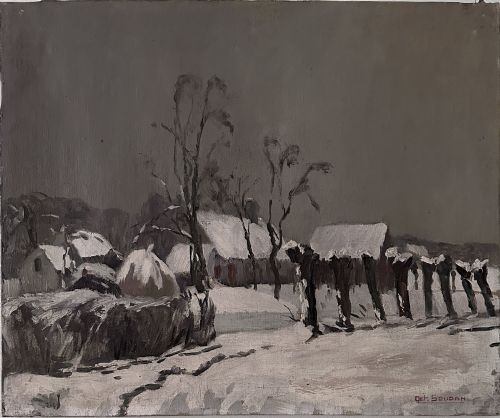
- Painting executed entirely in shades of grey or neutral monochrome. This technique often serves as a study or a deliberate stylistic choice.
- Academic Realism
- A style governed by the strict rules of European art academies. These paintings prioritize accurate representation, smooth finishes, and classical subjects.
Belgian Oil Painting: Frequently Asked Questions
How do I identify a nineteenth-century work?
Nineteenth-century pieces often display romantic realism or academic precision, focusing on agrarian subjects, livestock, and detailed landscapes.
The framing and canvas preparation methods from this era also help confirm the period of creation.
What subjects are most common?
Rural scenes featuring sheep, cattle, and farmyards appear frequently, alongside coastal maritime views and quiet village streets.
Still-life arrangements of flowers and game also form a significant portion of these regional works.
How should I care for an oil painting?
Keep the artwork away from direct sunlight and fluctuating humidity levels to protect the canvas and the underlying gesso.
Dust the surface gently with a soft, dry brush and avoid using liquid cleaners on the paint.
Are most canvases signed by the artist?
Many pieces feature visible signatures or attribution markers, though unsigned works from various school periods also exist.
Signatures often help connect a painting to specific regional movements or known workshops.