





Terracotta Wall Art
Terracotta wall art brings sculptural warmth to interiors through fired earth reliefs and decorative wall plaques.
Terracotta Wall Art
Buyers seeking terracotta wall art encounter moulded ceramic plaques and relief pieces created to hang on vertical surfaces. These items combine the durability of fired clay with sculptural depth, shifting away from flat two-dimensional paintings.
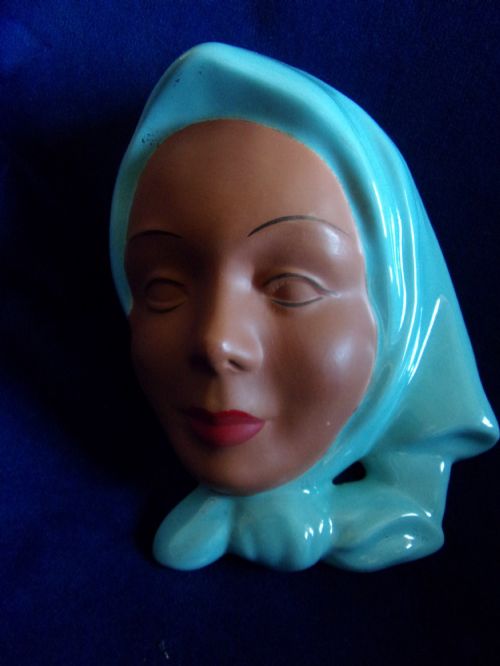
The selections span distinct periods including the turn of the twentieth century and the Art Deco era. Examples often manifest as figural scenes, satirical subjects, or stylised masks designed for interior display.
Originating largely from European workshops and potteries, these works utilise modelled earthenware to introduce tactile interest into rooms. They represent a specific intersection of ceramic craft and architectural ornament.
How they were made
Makers shaped prepared clay by hand or pressed it into moulds to achieve raised figural details and crisp outlines. Artisans then fired the earthenware at high temperatures to ensure structural stability before applying surface glazes or pigments.
Relief plaques often received hand-painted details or patination to accentuate the modelled contours of the figures. Finished pieces incorporated embedded wire or integrated loops at the reverse to facilitate secure hanging on walls.
Monkey families found themselves immortalised in satirical Austrian terracotta relief plaques during the early twentieth century.
What varies in quality
The definition and crispness of the moulded relief separate superior examples from softer, worn pieces. Skilled modelling captures subtle facial expressions and textures in the clay that inferior casts obscure.
Original painted or glazed surfaces retain their intended vibrancy and finish without crude overpainting or extensive restoration. The integrity of the ceramic body, free from heavy structural fractures, determines the lasting value of the plaque.
Ernst Wahliss
The Terracotta Wall Art Glossary
- Terracotta
- Fired unglazed or glazed earthenware made from brownish-red clay. This porous ceramic material forms the primary physical body of these wall reliefs.
- Relief
- Sculptural technique where figures project from a flat background surface. High relief elements stand out boldly from the backing plate.
- Wall Masque
- A decorative theatrical mask designed specifically for interior wall display. These pieces frequently date from the Art Deco period.
- Earthenware
- Porous pottery fired at relatively low temperatures. It requires a glaze or sealer to achieve impermeability against moisture.
Terracotta Wall Art: Frequently Asked Questions
How do I hang terracotta wall plaques safely?
These heavy ceramic pieces require sturdy wall anchors and picture wire rated for substantial weights. Ensure the hanging hardware engages securely with the embedded loops or brackets on the reverse of the plaque.
Avoid hanging terracotta in areas prone to dampness or significant temperature fluctuations, which can stress the fired clay over time. Periodically check the mounting hardware to maintain a secure grip against the wall.
What period do most terracotta wall pieces date from?
The available examples span from the late nineteenth century through the Art Deco period of the 1930s. Turn-of-the-century European potteries produced many of the detailed figural relief plaques found today.
Art Deco variants often feature stylised geometry and theatrical masks. Examining the modelling style and any maker marks helps confirm the manufacturing era.
How should I clean antique terracotta wall art?
Dust the surface gently using a soft, dry brush to remove particulate matter from the recesses of the relief. Avoid using water or liquid cleaners, as older unglazed earthenware absorbs moisture readily.
Harsh chemical solvents can strip original patination or hand-applied pigments from the ceramic surface. Routine dry maintenance preserves the fragile fired finish without causing accidental damage.