
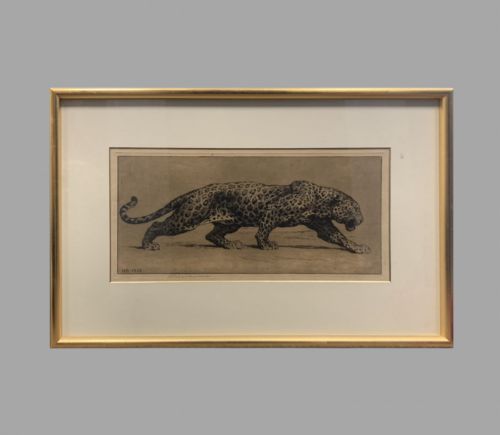
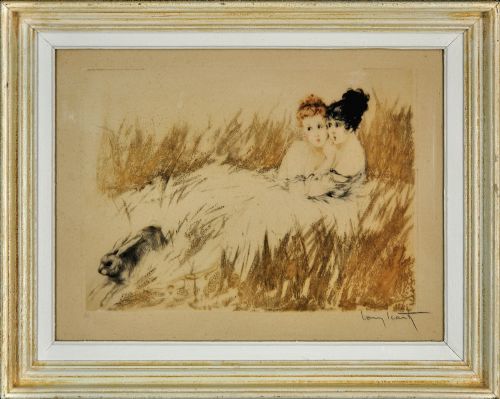


Original 1920s Paper Artwork
Original 1920s paper artwork captures the vibrant spirit of the early twentieth century through delicate watercolours, precise etchings, and expressive charcoal drawings.
Original 1920s Paper Artwork
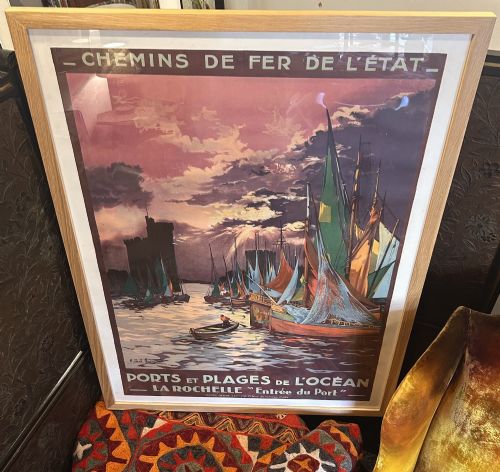
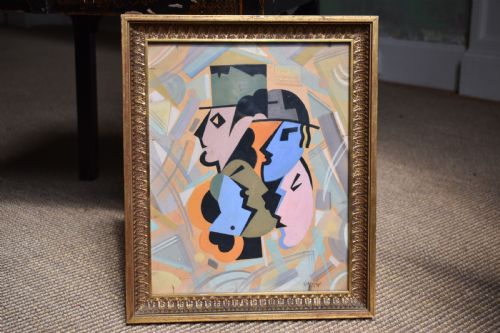
Original 1920s paper artwork encompasses framed watercolours, gouache studies, pencil sketches, and signed etchings created during a period of distinct artistic transition. Buyers encounter everything from theatrical portraits and architectural townscapes to avant-garde cubist compositions and intimate animal studies.
The selections span early twentieth-century realism, Art Deco designs, and modernist interpretations by both British and continental European creators. Works on paper from this decade reflect the shifting social moods following the First World War, capturing subjects ranging from quiet village scenes to bustling city streets.
Materials and Techniques
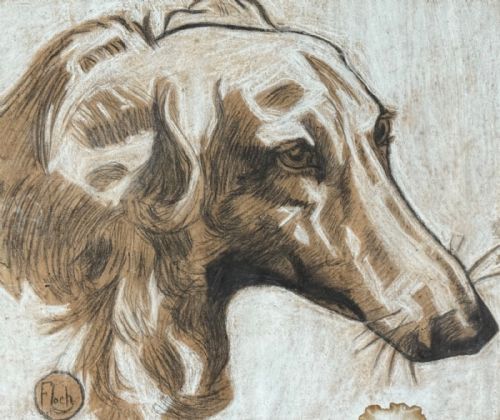
Artists utilised various papers, including buff paper, heavyweight artist sheets, and traditional drawing stock, combined with watercolours, gouache, ink, charcoal, and graphite. Many pieces layer media, such as pencil under watercolour or gouache highlights over charcoal, to build texture and depth.
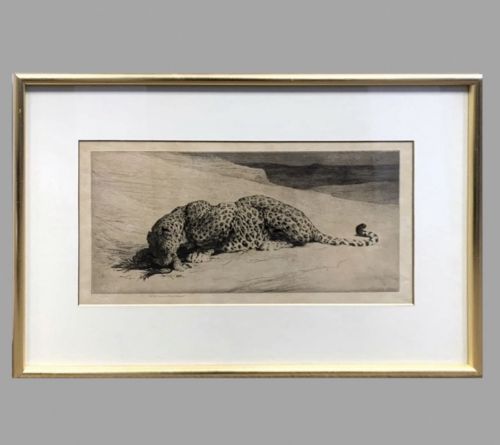
Printmakers employed techniques like drypoint, aquatint, and hand-colouring to produce limited edition etchings and artist proofs on paper. The synergy between surface and pigment defines the enduring physical presence of these works.
The selection includes works on paper executed in glass-fronted frames utilising charcoal, graphite, pastel, and gouache.
Assessing Quality and Execution
Quality rests upon the sureness of the hand, the compositional balance, and the expressive clarity achieved by the artist on paper. Masterful draughtsmanship and confident brushwork distinguish superior execution from routine commercial production of the period.
The handling of light, tone, and delicate washes demonstrates the maker's technical proficiency within fragile media. Strong provenance and signed artist proofs elevate the standing of individual pieces within the broader spectrum of early twentieth-century art.
Herbert Dicksee·Louis Icart·Owen Bowen·Edith E Caswall·Fred Lawson·Maurice Asselin·Dame Laura Knight·George Graham·Leo Klin
The Original 1920s Paper Artwork Glossary
- Etching
- A printmaking process where lines are bitten into a metal plate with acid before being inked and pressed onto paper. This technique allows for fine, highly detailed linear work.
- Gouache
- An opaque water-based paint that includes a white pigment filler, giving it a heavier and more matte finish than traditional watercolour. Artists use it to add solid highlights and rich areas of colour.
- Drypoint
- A printmaking method where an artist scratches directly into a metal plate with a sharp needle. This creates a raised burr of metal that holds ink and gives the printed lines a soft, velvety edge.
- Aquatint
- A companion etching technique used to create tonal areas of grey and shadow rather than simple lines. Fine resin is dusted onto the plate and heated before acid bathing.
- Deux Crayon
- A traditional drawing technique using two distinct crayons or chalks, usually black and red or white, on tinted paper. It creates naturalistic modeling and tonal contrast.
Original 1920s Paper Artwork: Frequently Asked Questions
How should I display paper artwork safely?
Keep works on paper away from direct sunlight to prevent fading of watercolours, inks, and pigments over time. Framing with acid-free mounts and UV-protective glass preserves the integrity of the paper and the surrounding materials.
Maintain stable indoor humidity levels to protect the paper from warping, foxing, or environmental degradation. Proper framing ensures these fragile pieces survive safely for decades to come.
How do I identify a signed artist proof?
Artist proofs typically feature a handwritten signature by the printmaker alongside annotations indicating their status outside the standard numbered edition. These impressions were kept by the artist to check the progress of the plate.
Examining the margins often reveals the creator's pencil signature and specific descriptive titles. Such markings confirm the direct personal involvement of the maker in the printing process.
What is the difference between watercolour and gouache?
Watercolour is transparent, allowing the underlying white paper to shine through and create luminous, light-filled washes. Artists apply it thinly to build translucent layers of tone and colour.
Gouache contains added chalk or white pigment, making the paint opaque and solid in finish. Creators often combine both mediums on paper to achieve contrasting areas of transparency and flat colour.