
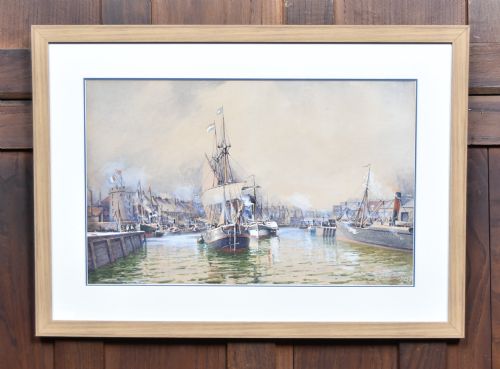
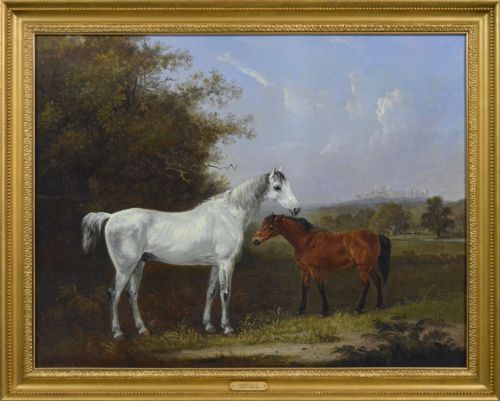
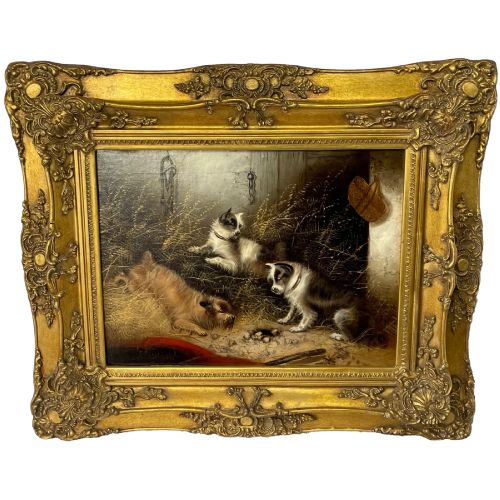
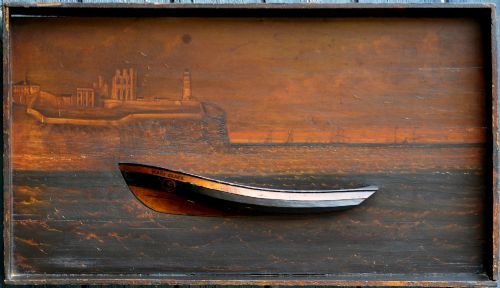

Framed Vintage Wall Painting
A framed vintage wall painting brings period character to a room through original canvases, watercolours and panels housed in period surrounds.
Framed Vintage Wall Painting
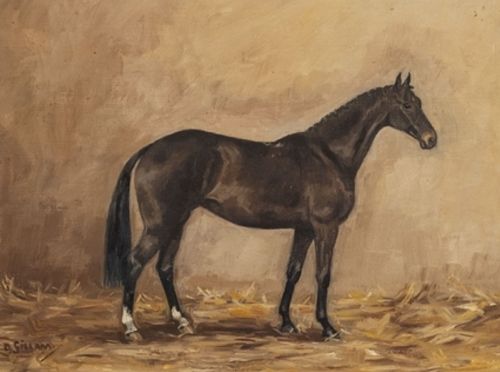
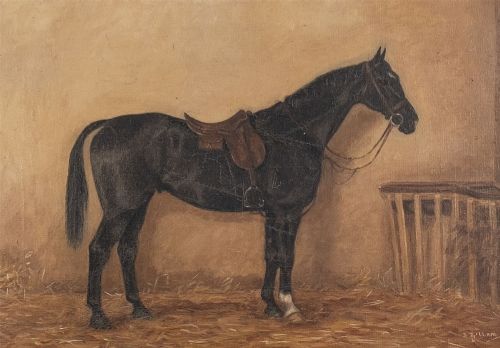
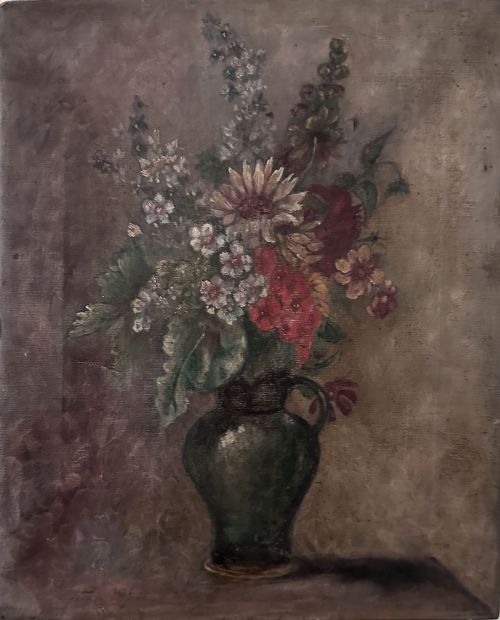
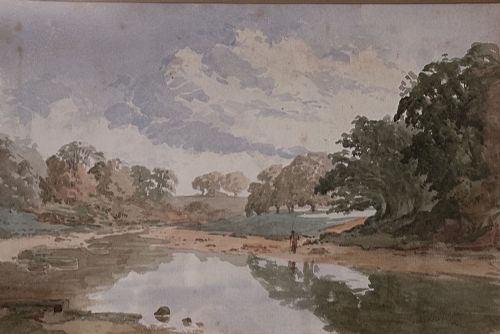
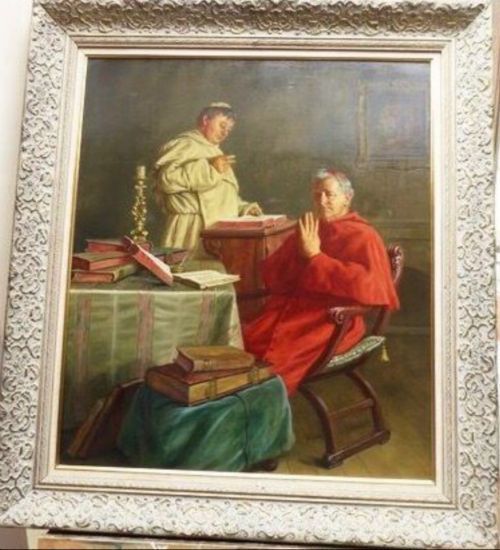
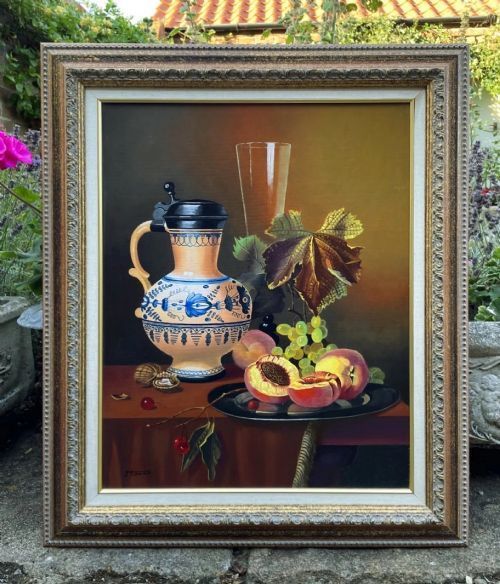
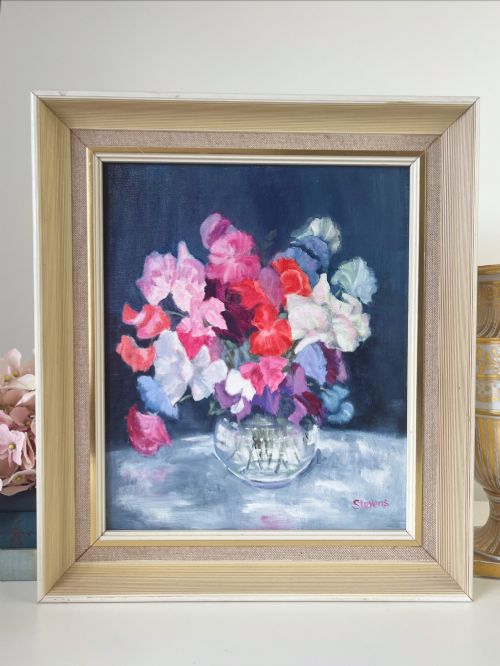
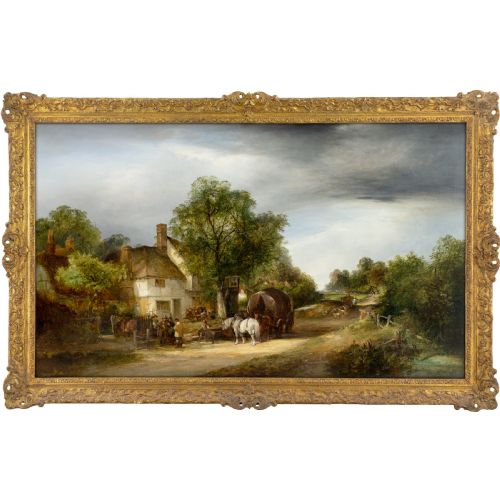
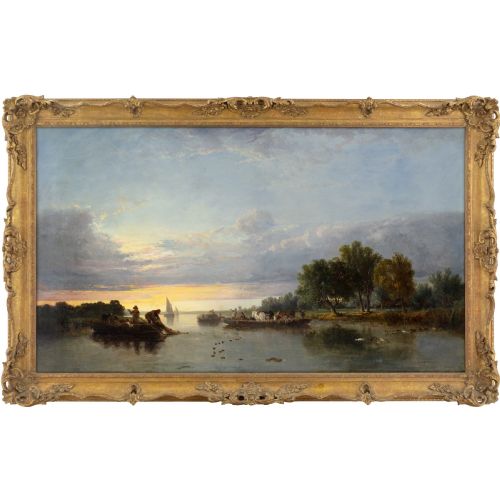
When you search for a framed vintage wall painting, you encounter a varied selection of artworks spanning multiple centuries and regional traditions. The inventory ranges from nineteenth-century oil portraits and early twentieth-century British landscapes to mid-century still lifes and overseas textile works.
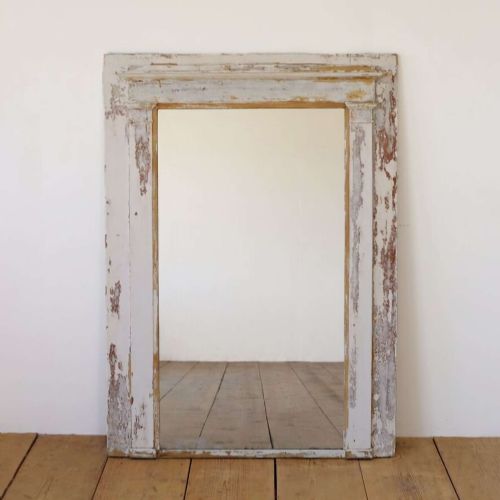
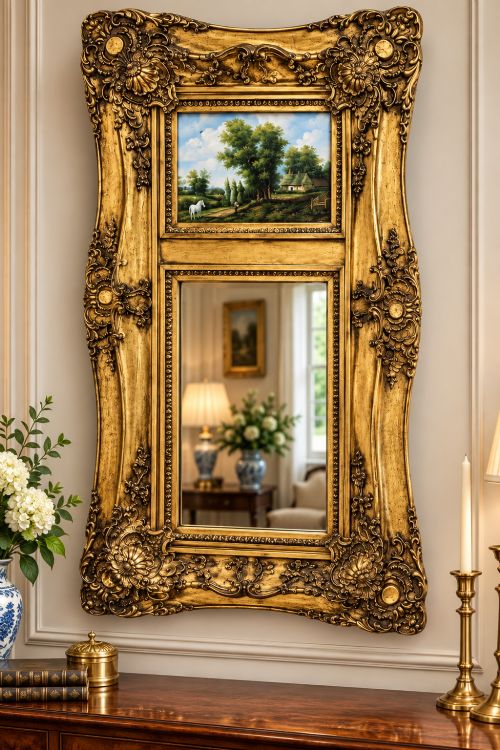
Most examples combine a painted surface on canvas, board, paper or fabric with a period frame made of wood, glass or giltwood. Alongside traditional fine art paintings, the selection includes painted mirrors and maritime scenes dating from the nineteenth and twentieth centuries.
How they were made
Makers utilised oil paint, tempera, gouache, watercolour and pastel applied to supports such as stretched canvas, wooden panels, pith, paper and textile. Canvases and boards were often worked en plein air or within a studio setting, capturing maritime views, floral still lifes and human subjects.
Surrounds were constructed from wood and gesso, frequently finished with gilt leaf or painted decoration to complement the artwork within. Protective glass panes are common on works executed on paper, textiles or delicate panels.
Listings feature oil paintings, watercolours, gouache and pastels spanning the seventeenth century through to the mid-twentieth century.
What varies in quality
The standard of execution in the painted surface distinguishes works, marked by the confidence of brushwork, anatomical proportion in portraits, and depth in landscapes or still lifes. Superior pieces demonstrate deliberate handling of light and pigment by the artist.
The integrity and originality of the surrounding frame also influence the piece, particularly where period gesso, giltwood or carved wooden details remain intact and suited to the artwork's era.
Henry Barraud·Irene Christobelle Pownoll Williams·Kenneth Cozens·John Hassall·Sidney A. Court
The Framed Vintage Wall Painting Glossary
- Gesso
- A plaster-like mixture applied to wood frames as a base for gilding or paint. It provides a smooth surface for intricate mouldings.
- Giltwood
- Wood that has been coated with gold leaf or a gold-coloured metallic finish. This material is frequently found on nineteenth-century and Edwardian frames.
- Tempera
- A permanent, fast-drying painting medium consisting of coloured pigment mixed with a water-binder agent. It was often applied to panel supports.
- Pith painting
- Artwork created on the spongy pith of the Chinese rice-paper plant. These delicate works were commonly produced during the nineteenth century.
- Trumeau
- An architectural mirror or painting panel designed to fit into a wall space between windows or above a mantelpiece. French examples often feature decorative painted scenes.
Framed Vintage Wall Painting: Frequently Asked Questions
How do I hang a heavy framed painting safely?
Heavy frames require fixings screwed directly into wall studs or appropriate masonry plugs to support the combined weight of the timber and canvas safely.
Position the artwork at eye level, ensuring the hanging wire or brackets distribute the load evenly across dual fixing points.
Are these paintings original or reproductions?
The inventory consists of original period works, hand-painted studies and period watercolours executed by individual artists rather than modern mass-produced prints.
Signatures, artist ciphers, and distinct brush textures help confirm the hand-painted nature of each canvas or panel.
How should I clean a vintage oil painting?
Dust surfaces gently with a soft, dry brush to remove loose particles without disturbing the aged pigment or varnish layers.
Avoid using liquid cleaners, solvents or damp cloths on the canvas or the gilt frame, as moisture can cause permanent damage.
Can I change the frame on an antique painting?
Changing the surround is possible, but original period frames often contribute historical context and aesthetic balance to the artwork.
If replacement is necessary, select a frame that matches the historical period and depth of the original piece.