




Blue Landscape Watercolour Artwork
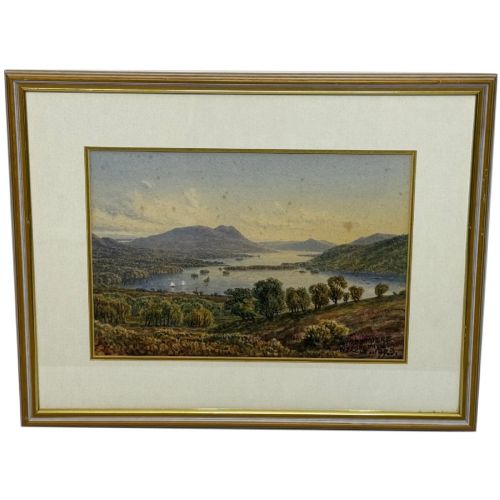
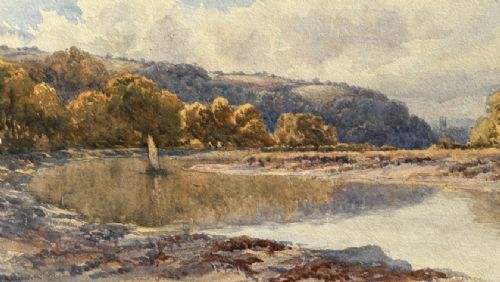
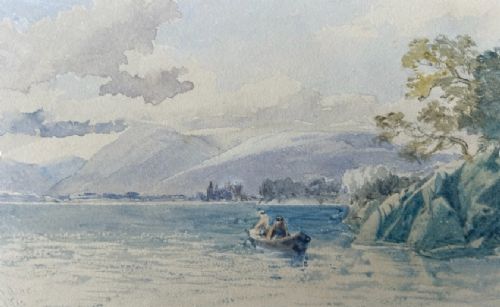
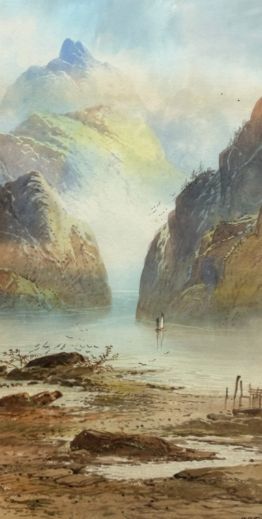
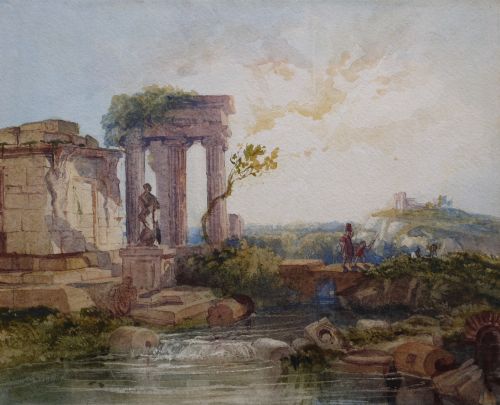
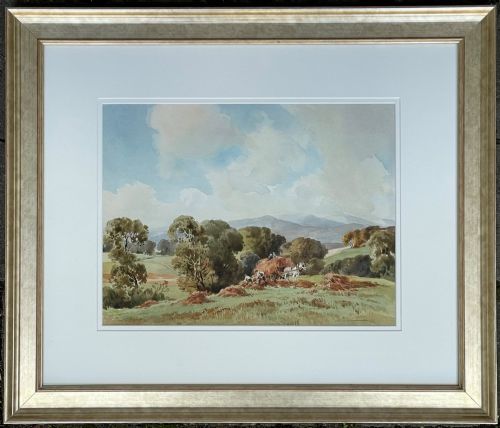
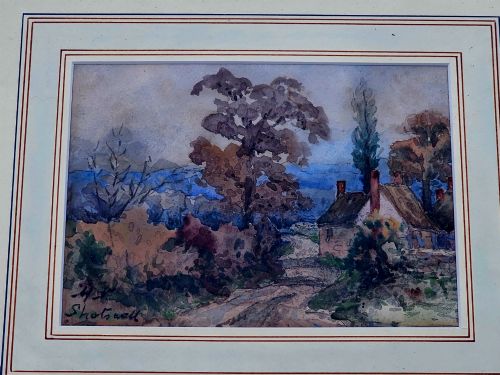
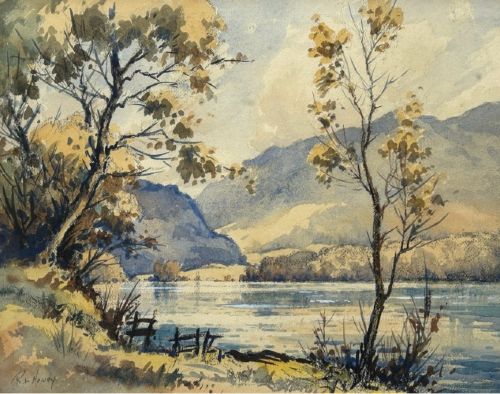
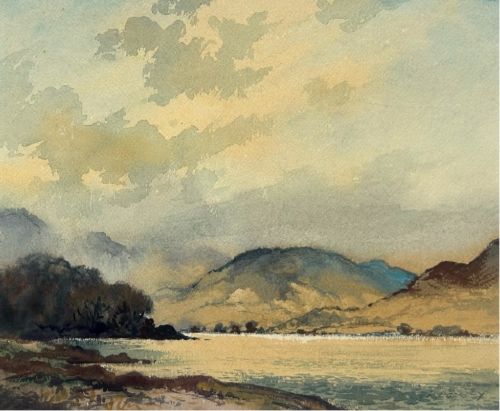
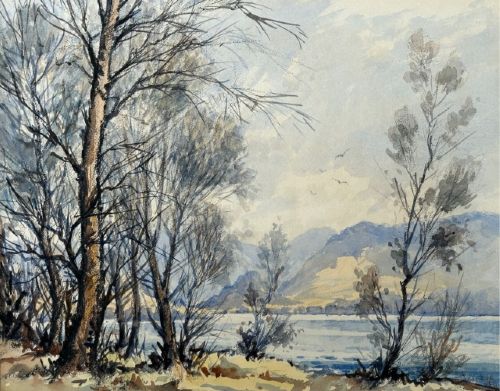
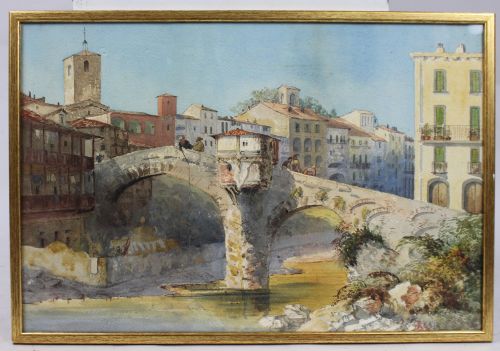
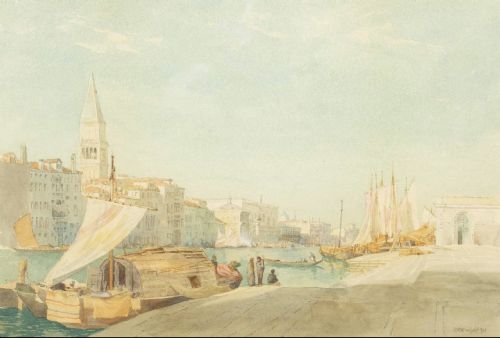
Blue landscape watercolour artwork captures atmospheric views of rivers, coasts, and valleys painted predominantly in blue tones.
Blue Landscape Watercolour Artwork
A blue landscape watercolour artwork presents painted vistas where various shades of blue dominate the atmospheric composition, capturing bodies of water, skies, and distant horizons. These pieces span the nineteenth and twentieth centuries, encompassing Victorian maritime scenes, Edwardian countryside views, and mid-century lake landscapes.
Buyers encountering this selection will predominantly find works executed on paper by British and European artists working in traditional styles. Common subjects include coastal harbours, fishing boats, and serene river valleys rendered through delicate washes of pigment.
The physical form is typically a framed painting on paper, occasionally accompanied by ink or gouache highlights. These works reflect both topographical observation and the evolving aesthetic movements of British Impressionism and the Victorian fine art tradition.
Materials and technique
Watercolour pigment and paint are applied to paper sheets, sometimes utilising ink lines to define architectural elements or vessel rigging. The transparency of the medium allows artists to build luminous washes that create the depth characteristic of these water and sky scenes.
Many works incorporate glass and wood framing to protect the delicate paper surface from atmospheric moisture and handling. Gouache is occasionally introduced alongside watercolour paint to add opaque highlights to cresting waves or distant clouds.
Materials in these listings include watercolour pigment, ink, paper, wood, and glass.
Assessing quality
The success of a piece rests on the artist's handling of tone and perspective to convey the movement of water and atmospheric light. Superior examples demonstrate a confident control of pigment washes, creating convincing depth without muddying the paper.
Provenance and attribution also influence the standing of a work, particularly when signed by documented nineteenth or twentieth-century painters. Compositional balance and the preservation of the original paper surface distinguish the finest examples from simpler topographical sketches.
Thomas Miles Richardson Jnr·James Orrock·William Henry Earp·Richard Principal Leitch·Percy Lancaster·Robert Leslie Howey·Cornelius Pearson·William Lee Hankey
The Blue Landscape Watercolour Artwork Glossary
- Watercolour
- A painting method where natural pigments are suspended in a water-soluble vehicle and applied to paper. This medium relies on the white of the paper to provide luminosity through translucent washes.
- Gouache
- An opaque water-based paint composed of pigment, water, and a binding agent such as gum arabic. It is frequently used in these watercolours to add solid highlights to skies and water.
- Seascape
- A painting depicting the sea, coastal views, shipping, or marine subjects. These works often feature sailing vessels, harbours, and tidal waters.
- Topographical
- Representing specific real-world locations with a degree of accuracy. Many nineteenth-century works record identifiable valleys, rivers, and coastal towns.
- Monogram
- A motif made by overlapping or combining two or more letters to form a single symbol. Artists frequently used these initials to sign their works on paper.
Blue Landscape Watercolour Artwork: Frequently Asked Questions
How should I frame and hang antique watercolours?
These works on paper require conservation-grade framing with UV-protective glass to prevent fading from natural light. Keeping them away from direct sunlight and damp environments preserves the delicate pigments.
Ensure there is adequate space between the painted surface and the glass to prevent condensation damage. Professional mounting ensures the paper remains stable over time.
What subjects are most common in these paintings?
Coastal scenes featuring fishing boats, harbours, and tidal waters appear frequently across nineteenth and twentieth-century examples. Inland views, including river valleys, lakes, and pastoral landscapes, are also well represented.
Many pieces document specific British and European locations, ranging from Scottish lochs to Venetian canals. Artists often focused on atmospheric weather conditions, such as evening departures or misty morning estuaries.
How do I identify the period of a watercolour?
Stylistic markers, framing materials, and artist signatures often provide clear indications of a piece's era. Victorian works frequently exhibit detailed topographical precision, whereas twentieth-century examples tend toward impressionistic brushwork.
Inscriptions on the reverse or visible dates next to signatures help narrow down the creation period. Comparing the paper quality and framing style with documented examples from the same decade offers additional context.
Are these paintings original or prints?
The listings consist of original hand-painted works executed directly onto paper using watercolour pigments and inks. Close inspection reveals brushstrokes, paper texture, and the pooling of pigment unique to handmade art.
Unlike mechanical reproductions, each piece is a singular creation by the artist's hand. Signatures and monograms are applied directly in ink or paint rather than printed onto the sheet.