




Orientalist Landscape Artwork
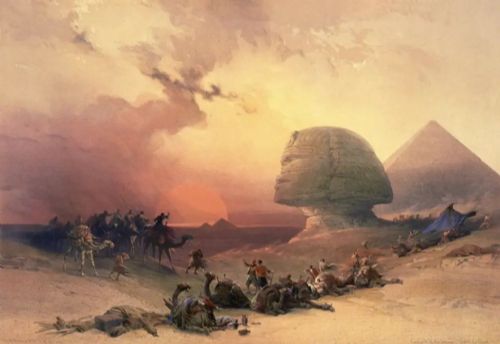
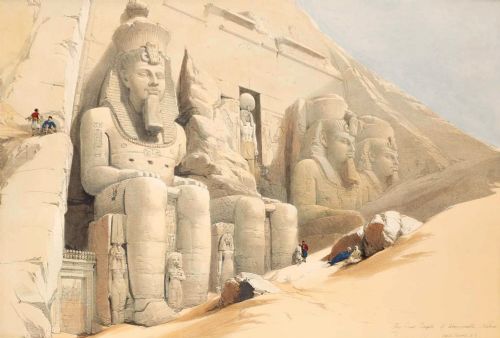
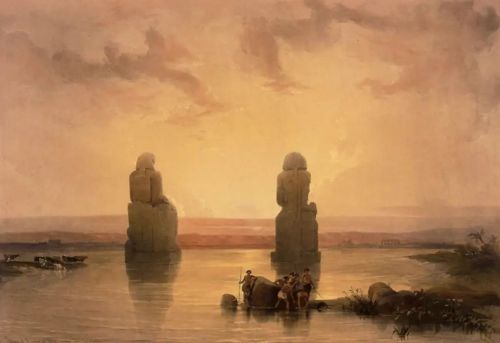
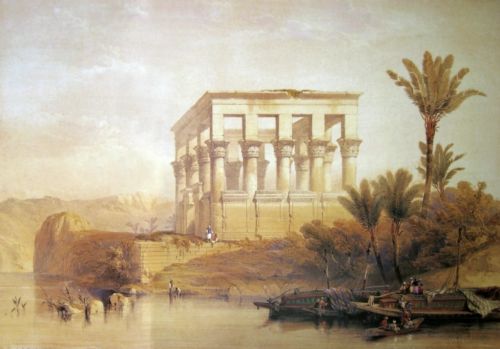
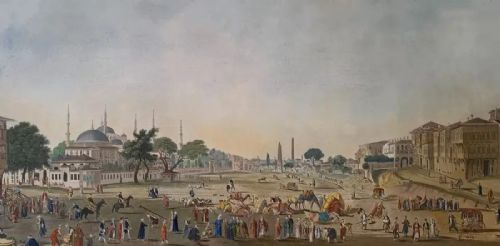
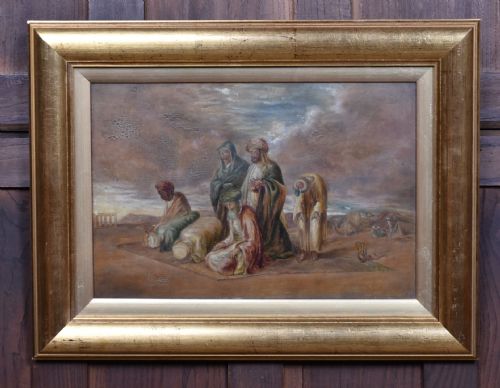
These orientalist landscape artwork pieces bring distant horizons home, offering evocative vistas of temples, deserts, and bustling Nile villages.
Orientalist Landscape Artwork
You will regularly meet framed nineteenth-century plates by notable recorders of foreign topography alongside mid-twentieth-century watercolours and modern Iraqi compositions. These works range from intimate studies on paper to large framed oils housed in gilded wood.
The prevailing styles stretch from regency and late Victorian interpretations to specific regional movements, anchoring distant geographies within familiar European framing traditions.
Materials and techniques
The physical objects rely primarily upon paper, canvas, and wood, employing watercolours, ink, gouache, and oil paints to build up depth and climate. Watercolour paintings utilise washes and fine line work on paper or board to capture bright desert light, whereas oil on canvas allows for heavier layering and texture.
Many works are preserved within ebonised or gilded wood frames, sometimes protected beneath glass, which safeguard the delicate pigments of nineteenth-century sheets.
Nineteenth-century Victorian output dominates the selection alongside early twentieth-century examples.
Judging quality and execution
Quality rests upon the sureness of the hand and the fidelity of the atmosphere, separating hasty souvenir sketches from accomplished topographic records. Competent wash techniques and confident brushwork define the finer watercolours and oils, showing precise control over light, shadow, and architectural scale.
The integration of paper or canvas within appropriate period framing also distinguishes superior survivals from later assemblies.
David Roberts·Anton Ignaz Melling·Edwin Lord Weeks·Otto Pilny·Hugo Vogel·Abdul Kadir Al Rassam·Alexandre Decamps
The Orientalist Landscape Artwork Glossary
- Watercolour
- A paint consisting of pigment suspended in a water-based solution, traditionally applied to paper or board to achieve translucent washes of colour.
- Gouache
- An opaque water-based medium containing pigment and a binding agent, utilised to add solid highlights and dense colour to works on paper.
- Orientalism
- An artistic movement reflecting Western engagement with and depiction of Middle Eastern, North African, and Asian societies and landscapes.
- Ebonised frame
- Wood treated and polished to resemble ebony, frequently utilised to provide a dark, contrasting border for nineteenth-century watercolours and prints.
Orientalist Landscape Artwork: Frequently Asked Questions
What is orientalist landscape artwork?
These works are paintings, watercolours, and prints created by artists who travelled to or drew inspiration from North Africa, the Middle East, and Asia.
They record monuments, desert vistas, and daily scenes from the nineteenth and twentieth centuries.
How were these paintings displayed?
Period pieces are typically housed in wooden frames, sometimes ebonised or gilded, often protected beneath glass.
Such framing preserves fragile paper supports and complements domestic interiors of the Victorian era.
Are these works original?
The selection includes original hand-painted watercolours, gouaches, and oil canvases alongside period fine art prints.
Signatures, framing details, and material analysis help distinguish unique historical paintings from later reproductions.
Which periods do these pieces span?
The available artworks predominantly span the nineteenth century, including Victorian and regency eras, stretching into the early and mid-twentieth century.
Stylistic shifts reflect changing European perspectives on foreign geography over these decades.