


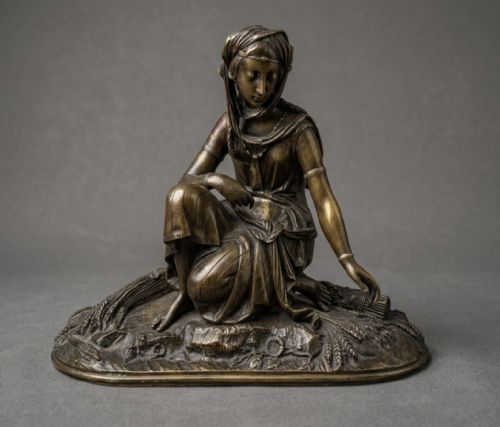


Orientalist Bronze Figurine
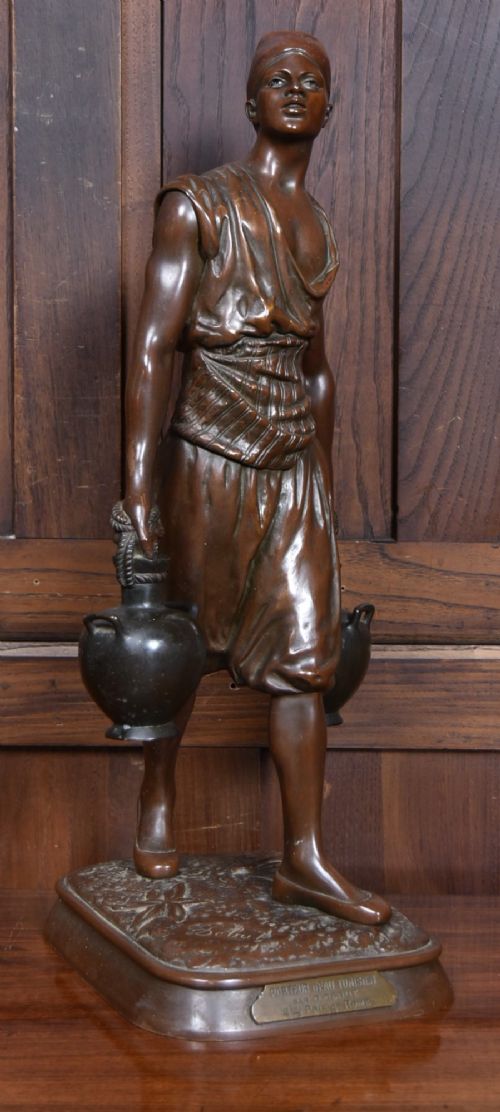
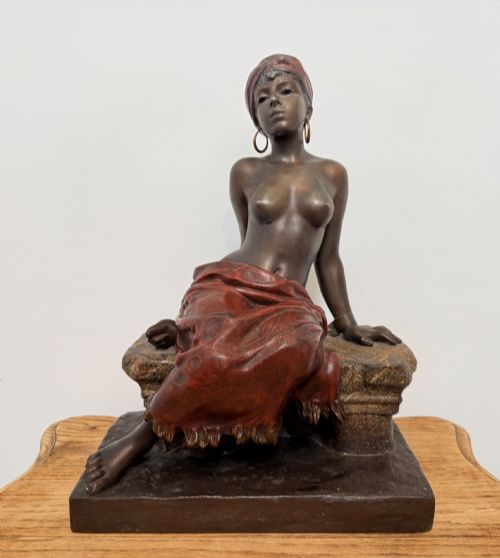
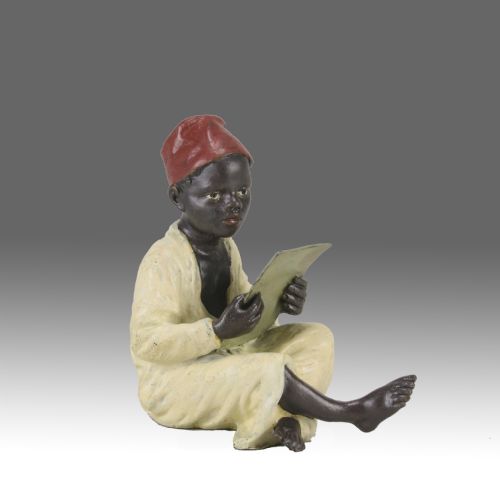
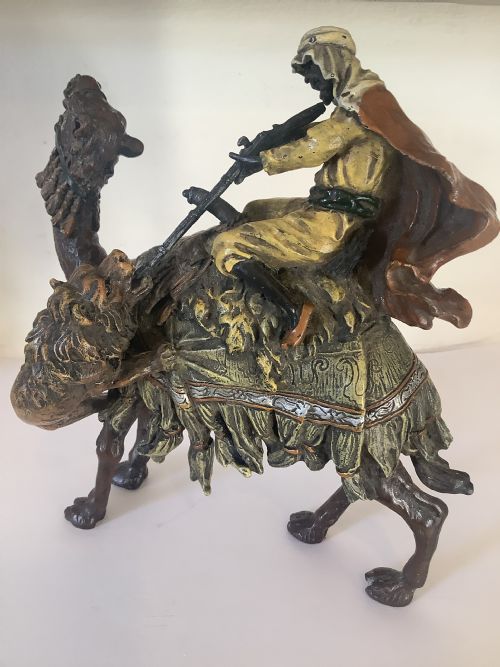
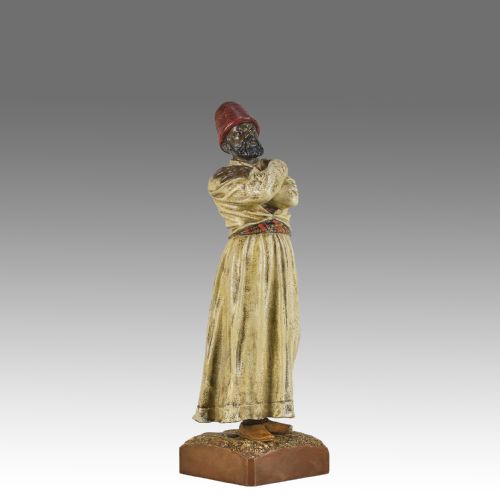
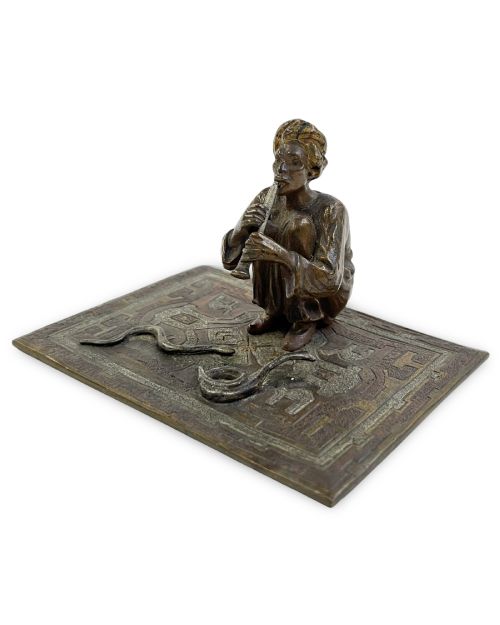
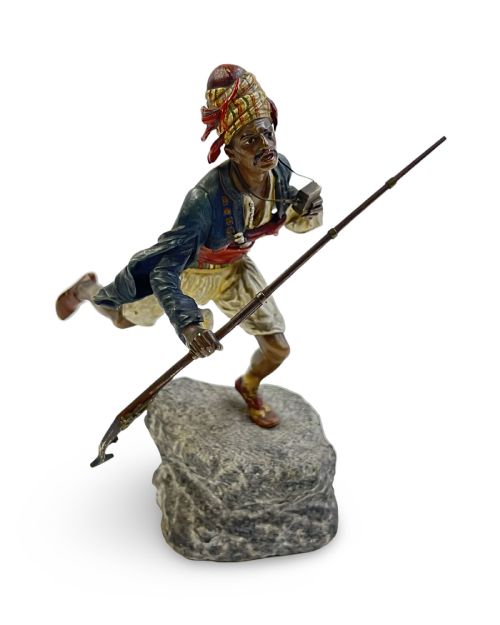
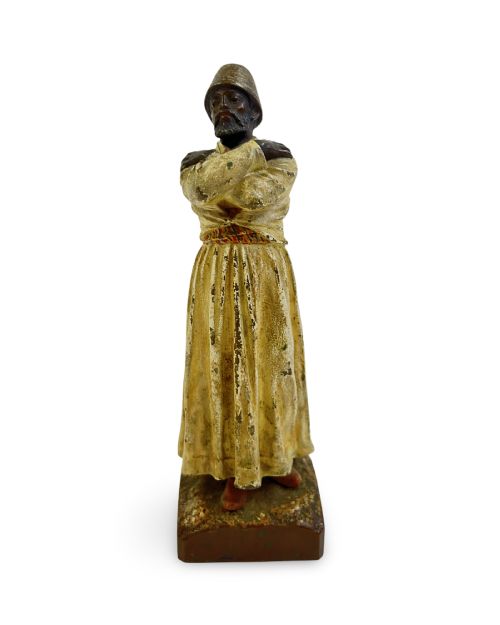
An orientalist bronze figurine captures figures and scenes from North Africa and the Middle East, cast in metal and frequently finished with polychrome pigment.
Orientalist Bronze Figurine
When you search for an orientalist bronze figurine, you encounter small-scale sculptures depicting figures such as snake charmers, warriors, dancers, and merchants originating from the nineteenth and early twentieth centuries. These works reflect European artistic fascination with Middle Eastern and North African subjects during the Victorian, Art Nouveau, and Art Deco periods.
The versions most commonly met on this page range from nineteenth-century patinated bronze studies of riders and animals to Vienna cold-painted bronzes from around 1900. Forms include match strikers, portrait busts, and freestanding statuettes cast by European founders and artists.
Materials and technique
The primary material is bronze, cast using traditional foundry methods and often finished with a dark patination. Many pieces utilise cold-painted pigment or enamel paint applied directly to the metal surface after casting, creating vibrant garments and accessories.
Whirling dervishes spin through the listings alongside match-striking camels and tea-serving Arab ladies.
Assessing quality
The distinction between tiers of work rests upon the crispness of the casting and the finesse of the chiselling. Superior examples retain fine surface detail in drapery and facial expressions without obscuring the underlying metal texture.
In painted works, the preservation and subtlety of the original cold-painted pigment dictate the merit of the piece. Stronger examples display delicate brushwork and harmonious colour application that withstands close inspection.
Franz Bergman·Alfred Dubucand·Claire Colinet·Demetre Chiparus·Pierre Jules Mène
The Orientalist Bronze Figurine Glossary
- Cold-painted bronze
- A technique where paint is applied to a bronze casting without heat firing, making the pigment vulnerable to flaking over time. This method was widely used by Viennese foundries to create brightly coloured figures.
- Patinated bronze
- Metal treated with chemical solutions to produce a controlled surface colour or tone, ranging from deep brown to verdigris. This finish protects the bronze while accentuating the sculptural contours.
- Spelter
- An alloy of zinc and copper used as an economical alternative to bronze in decorative figures. It is softer and lighter than bronze.
- Orientalism
- An artistic movement depicting the cultures, landscapes, and people of North Africa and the Middle East through European eyes. Works in this style span the nineteenth and twentieth centuries.
Orientalist Bronze Figurine: Frequently Asked Questions
What is an orientalist bronze figurine?
An orientalist bronze figurine is a nineteenth or early twentieth-century metal sculpture depicting subjects from North Africa and the Middle East, such as merchants, dancers, and animals.
These pieces were produced across Europe, with notable centres of production in Vienna and Paris, reflecting contemporary cultural interests in distant lands.
Where were these figures displayed?
Victorian and Edwardian collectors placed these small sculptures on mantelpieces, desks, and cabinet tops as decorative conversation pieces.
Their domestic scale allowed them to be easily integrated into nineteenth-century drawing rooms and studies alongside other exotic curiosities.
How do I tell Vienna bronzes apart?
Vienna bronzes from the late nineteenth and early twentieth centuries are typically characterised by detailed cold-painted surfaces and specific foundry marks or Bergman amphora stamps.
They often depict human figures in narrative poses, such as carpet sellers or musicians, produced in smaller editions than large monumental bronzes.