




Oriental Wooden Pedestal
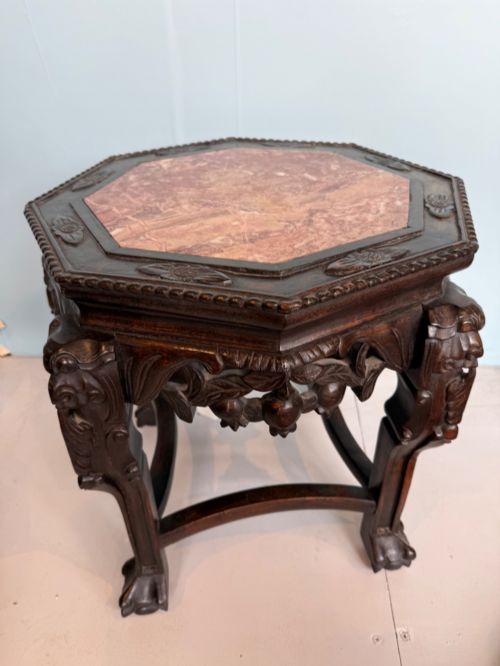
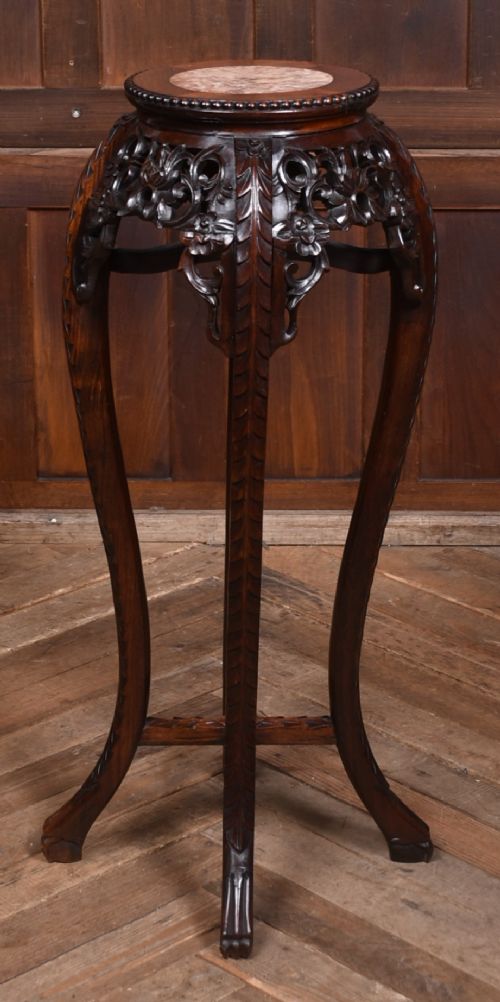
These oriental wooden pedestal pieces bring carved hardwood and marble together to elevate plants and display urns.
Oriental Wooden Pedestal
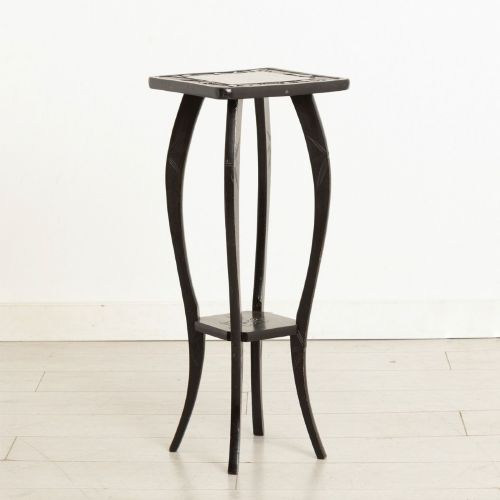
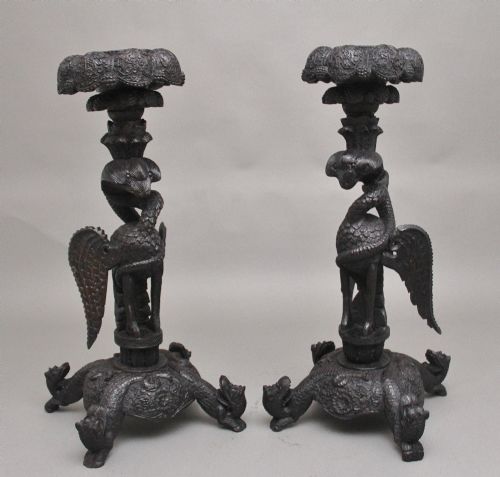
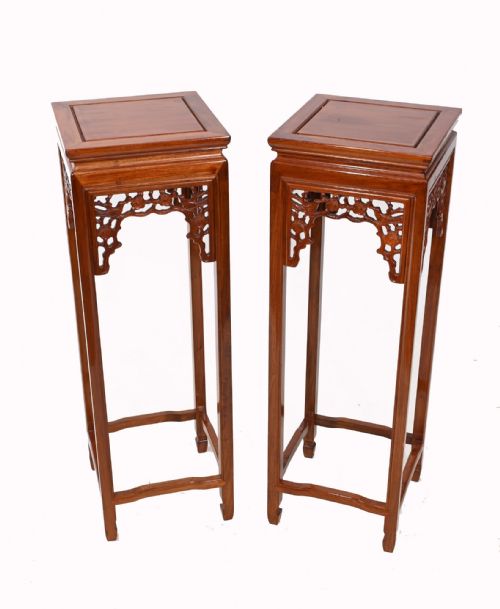
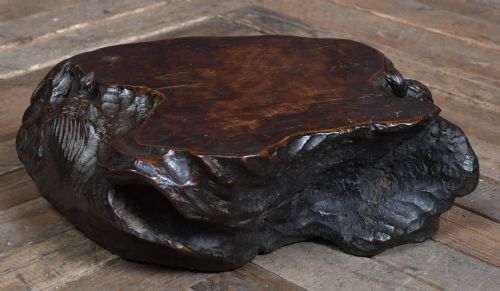
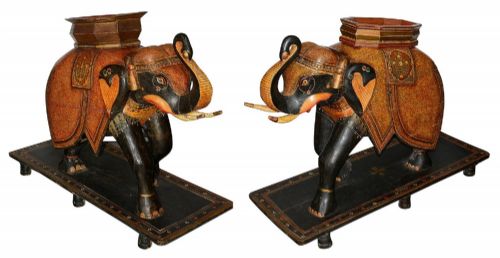
An oriental wooden pedestal functions primarily as a plant stand, jardiniere table or vase holder, lifting display objects within a room. The pieces found here range from nineteenth-century Chinese hardwood stands to Anglo-Indian torchères and Japanese carved displays.
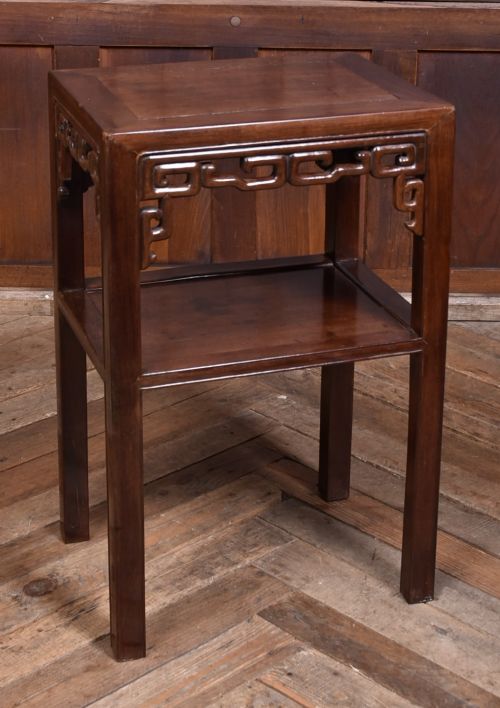
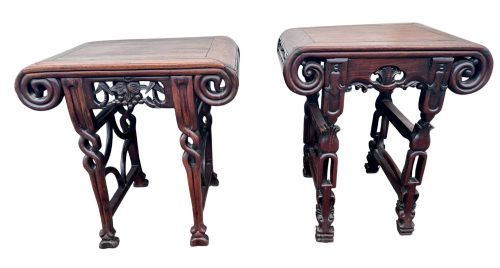
Most examples originate from the nineteenth century or the early twentieth century, spanning Qing Dynasty traditions and export workshop production. Buyers encounter forms including round marble-topped tables, multi-tiered urn supports and low stools intended for domestic interiors.
How they were made
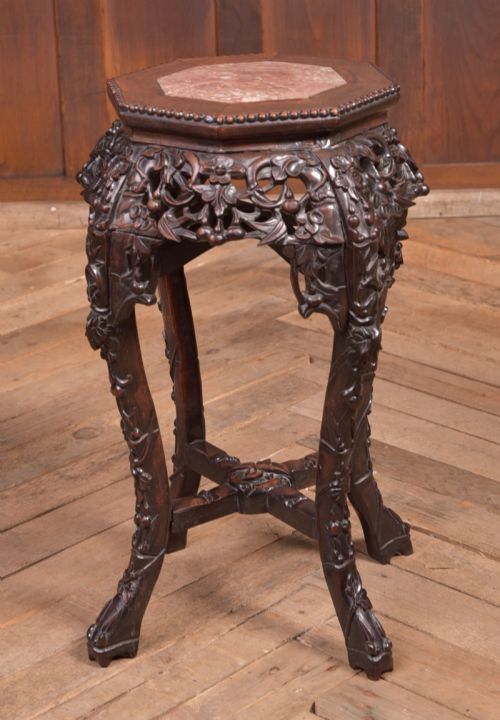
Workshops utilised dense timbers such as rosewood, hongmu, padouk and ebonised wood, carved by hand with deep floral or figurative relief. Many surfaces incorporate inset marble panels or polished lacquer to protect the timber from moisture.
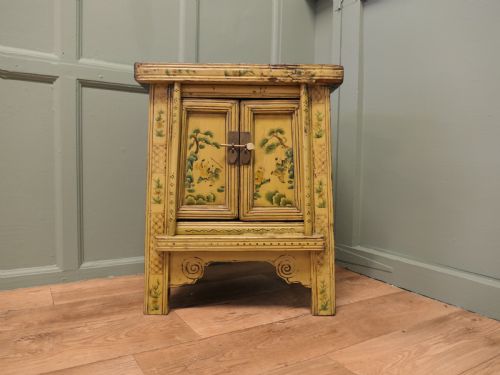
Joinery methods relied on traditional mortise and tenon construction without metal fixings, allowing heavy stone tops to rest securely within wooden frames. Brass accents and polychrome painted details appear on specific cabinets and sculptural figures.
Listings feature nineteenth-century Chinese hardwood, teak and ebonised wood alongside marble-topped plant stands.
What varies in quality
The standard of carving dictates the overall tier of the piece, separating crisp, undercut foliage from soft, shallow profiling. Sharp detailing in the woodwork shows the skill of the carver in handling dense oriental hardwoods.
The integration of inset marble, whether rouge or grey, impacts the balance and finish of the stand. Heavier, well-fitted stone inserts demonstrate superior workshop origin compared to thin or loosely seated replacements.
Liberty of London
The Oriental Wooden Pedestal Glossary
- Torchère
- A tall ornamental stand designed specifically to hold a lamp, urn or candle. These pieces often feature slender legs and elevated display surfaces.
- Jardiniere
- A decorative pot or container for plants, which sits atop these specialised stands. The matching stands provide stable support for heavy ceramic vessels.
- Hongmu
- A traditional Chinese term for dense, reddish-brown hardwoods used in fine furniture. Craftsmen valued this timber for its strength and ability to hold intricate carving.
- Marble top
- A stone inset fitted into the surface of a stand or table. This addition provides a cool, heat-resistant platform for vases and plants.
Oriental Wooden Pedestal: Frequently Asked Questions
What were oriental wooden pedestals used for?
These pieces served as display supports for heavy porcelain vases, bronze urns and potted plants inside traditional interiors. They lifted decorative objects to eye level to showcase fine craftsmanship.
Collectors today utilise them for similar display purposes or as occasional side tables for lamps and books.
How do I identify a nineteenth-century piece?
Nineteenth-century examples show heavy, dense hardwoods and hand-carved joinery that predates mass production. The weight of the timber and the depth of the relief work offer clear indicators of age.
Examine the underside and joints for traditional construction methods and natural wear patterns accumulated over decades.
Why do some stands have marble inserts?
Marble tops provided a durable, water-resistant surface that protected the wood from moisture leaking out of plant pots and vases. They also added weight to the base, improving stability for tall arrangements.
Workshop artisans selected contrasting stone colours like rouge or grey to complement the dark grain of the rosewood or hongmu.
How do I care for antique hardwood stands?
Keep the timber away from direct heat sources and sudden temperature changes to prevent the wood from splitting or warping. Dust the carved surfaces regularly with a soft, dry cloth.
Apply occasional specialist wax polish only if the timber appears dry, avoiding excessive moisture on exposed joints.