


Dark Wood Bonsai Stand
A dark wood bonsai stand elevates miniature trees and decorative urns, bringing balanced proportion and heavy native timber into the room.
Dark Wood Bonsai Stand
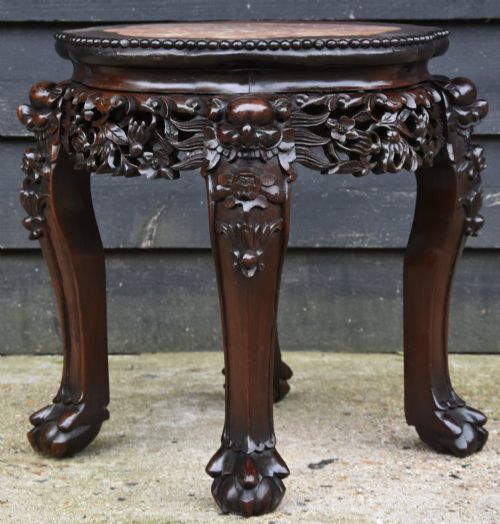
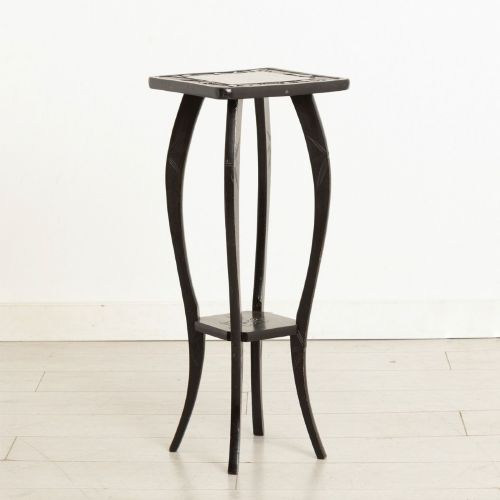
When you search for a dark wood bonsai stand, you encounter low display tables, plant pedestals, and jardiniere stands primarily originating from Chinese workshops and Japanese Meiji or Taisho periods. These pieces serve to elevate potted trees, vases, and bronzes, turning horticultural displays into sculptural focal points.
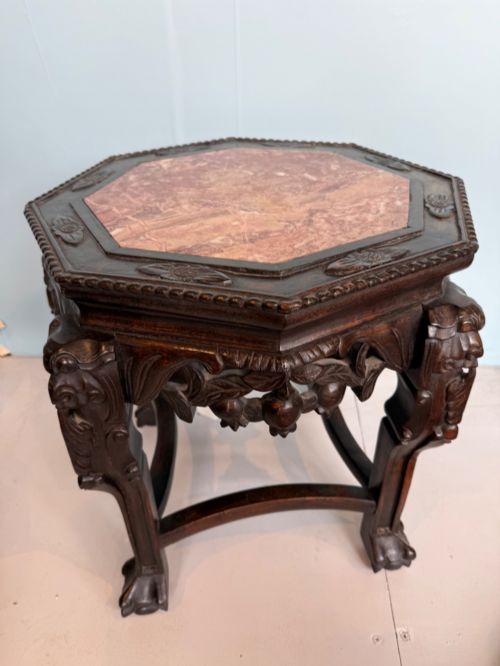
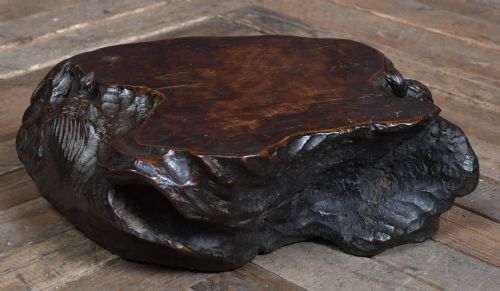
The versions most commonly met on this page date from the nineteenth century, including Victorian imports and late Qing Dynasty productions. They range from small, intricate tableaus featuring carved turtles to substantial marble-inset pedestals designed for heavy urns.
Makers utilised dense Asian hardwoods to support heavy ceramic and stone vessels without warping. The forms vary from low square tables to tall multi-tiered stands, reflecting domestic display traditions across East Asia.
Markers of quality
Quality rests in the crispness of the hand carving and the selection of the timber. Superior examples display deep relief work with undercut details, whereas simpler pieces rely on shallow incision or smooth turned surfaces.
The integration of inset marble panels and the tightness of the structural joinery separate standard utility stands from finer display pieces. Heavier density in the rosewood or hongmu indicates superior raw material selection by the workshop.
Liberty of London
The Dark Wood Bonsai Stand Glossary
- Hongmu
- A category of dense, fragrant Asian hardwoods translated literally as red wood. It encompasses several durable timber species utilised in traditional furniture construction.
- Jardiniere stand
- A tall piece of furniture designed specifically to support a large ceramic flower pot or plant bowl. These stands place botanical displays at an elevated viewing level.
- Padouk
- A heavy tropical timber displaying a distinctive reddish hue that darkens with age and exposure to light. It provides exceptional stability for carved display furniture.
- Meiji period
- The era of Japanese history spanning from eighteen sixty-eight to nineteen twelve, noted in these listings for intricate hand-carved plant stands and display tables.
- Qing dynasty
- The final imperial dynasty of China, lasting from sixteen forty-four to nineteen eleven, associated here with carved hardwood vase stands and marble-inset tables.
Dark Wood Bonsai Stand: Frequently Asked Questions
What is a bonsai stand used for?
These low tables elevate miniature trees and decorative vessels to eye level for proper appreciation. They protect furniture surfaces from moisture while adding a formal architectural frame to natural forms.
Historically, they formed part of scholarly and domestic interiors across East Asia and Victorian Europe. Today they serve equally well as lamp tables or occasional display surfaces.
How do I identify Chinese versus Japanese stands?
Chinese pieces often feature dense rosewood, padouk, or hongmu timbers with deeply undercut floral or auspicious motifs. Japanese Meiji period stands frequently incorporate naturalistic animal carvings, such as turtles, alongside simpler structural lines.
Cabinetmaking joints and timber selection also offer clues to regional workshops. Comparing the carving depth helps distinguish between Qing Dynasty exports and later Taisho period items.
Why do some stands have marble inserts?
Marble panels provided a waterproof, cool surface that prevented moisture damage from watered pots and damp earth. This stone top also added structural weight to balance heavy ceramic vessels.
Cabinetmakers fitted the marble directly into the hardwood frame using precise rebates. This combination of cool stone and dark timber became a defining aesthetic of nineteenth-century plant stands.
How do I clean a dark wood stand?
Dust the carved surfaces regularly with a soft, dry brush to prevent debris settling in intricate crevices. Avoid modern aerosol polishes, which leave a chemical buildup on antique timber.
Feed the dry hardwood occasionally with a modest application of neutral furniture wax. This preserves the natural sheen of rosewood or padouk without darkening the carved detail.