



Wooden Planter Display Stand
These wooden planter display stand pieces elevate botanical displays inside the home, offering sturdy tiers and carved surfaces designed to showcase indoor greenery.
Wooden Planter Display Stand
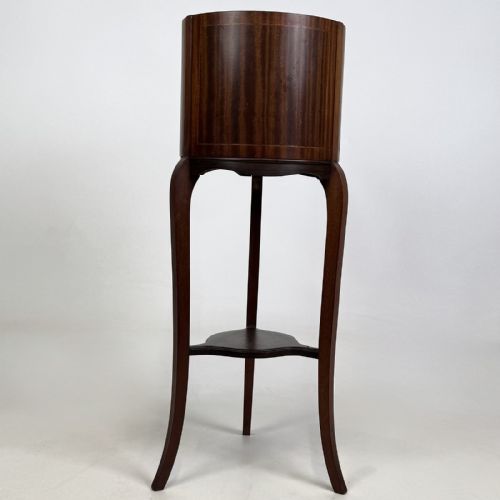
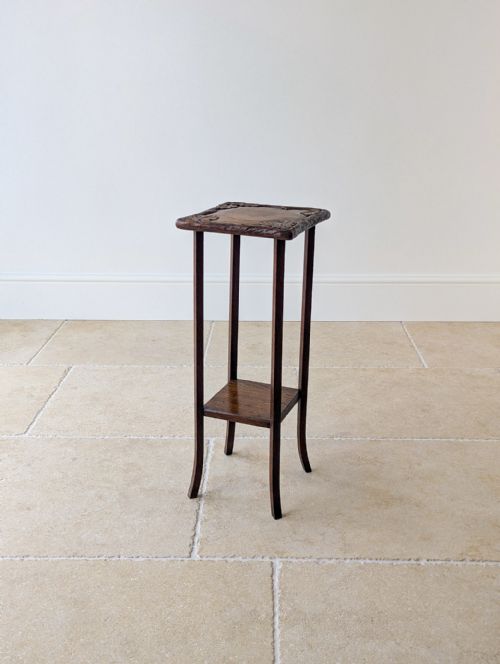
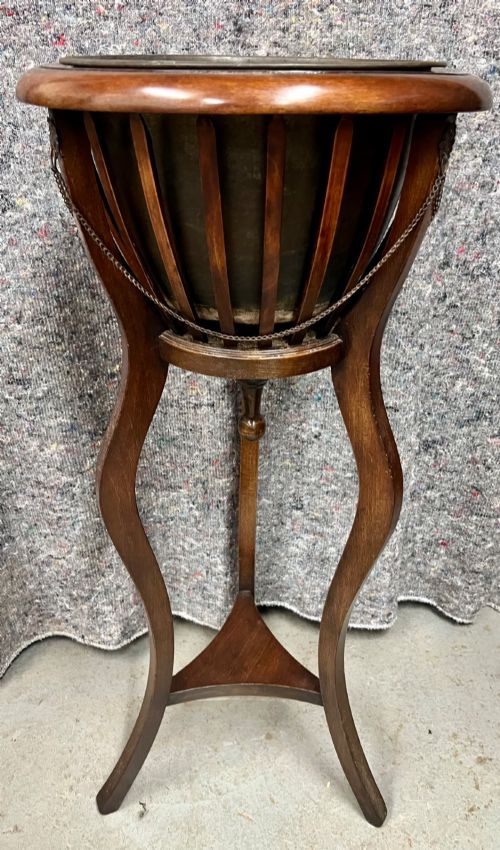
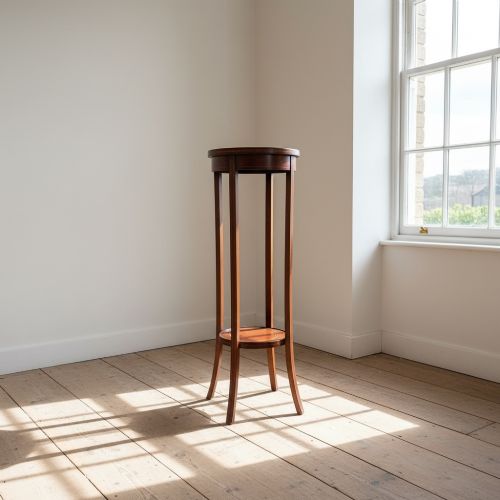
When you search for a wooden planter display stand, you encounter varied forms intended to elevate plants, jardiniere bowls, and bonsai trees within domestic spaces. The selection includes multi-tiered pieces, torchere styles, and low display tables designed for specific botanical arrangements.
You are most likely to meet Edwardian and 19th-century examples on this page, reflecting periods when domestic plant display held significant popularity in interior decoration. These pieces bridge utilitarian gardening equipment and ornamental furniture.
Origin points span English cabinetmaking, French Belle Epoque design, and Asian export traditions including Chinese and Japanese Meiji period carving. Each regional variation brings distinct timber choices and decorative motifs to the wooden planter display stand category.
Construction and materials
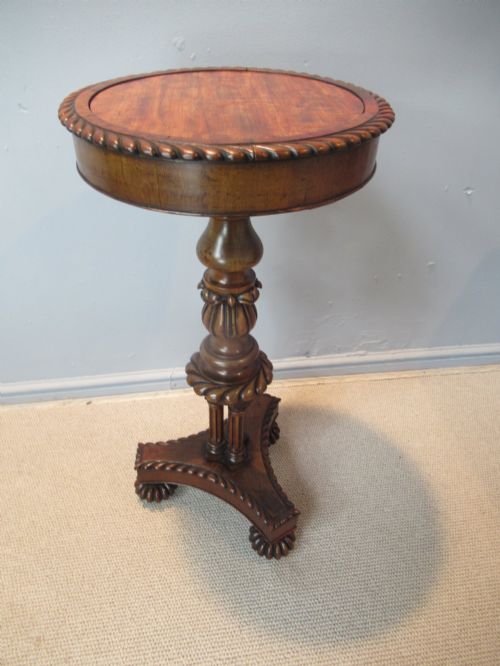
Makers utilised dense hardwoods such as mahogany, walnut, and oak to construct frameworks capable of supporting heavy damp soil and ceramic jardinieres. These timbers were frequently turned on a lathe, producing barley twist columns and slender supporting stems.
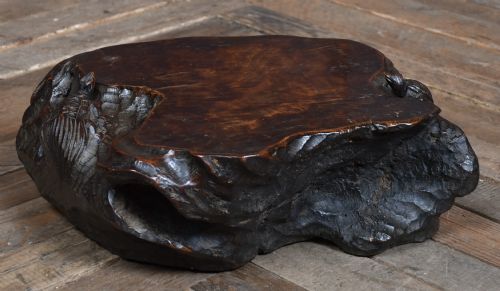
Decorative embellishment involved contrasting boxwood inlay, intricate hand carving, and inset marble tops designed to resist water damage from watering cans and plant pots. Asian export pieces employed carved hardwood depicting natural forms like turtles, while European workshops favoured classical geometric details.
Wooden Planter Display Stand Retail Price Guide 2026
Typical asking prices for wooden planter display stand among the pieces listed under this phrase on Sellingantiques today, from the lower quarter to the upper quarter. They describe what is for sale here now, not the wider market.
Materials span mahogany, oak, walnut, brass, marble, and boxwood inlay across multiple European and Asian traditions.
Judging quality and craftsmanship
Quality in a wooden planter display stand rests upon the integrity of the joinery and the selection of figured timber. Superior examples exhibit tightly fitted joints, stable tripod or four-legged bases, and crisp, deep carving rather than superficial surface moulding.
The integration of functional elements, such as level marble inserts and robust undershelves, distinguishes workshop output. Finer pieces maintain structural balance even when bearing heavy loads, combining decorative refinement with practical utility.
The Wooden Planter Display Stand Glossary
- Torcherere
- A tall, slender stand originally intended to support a candle or light source, frequently adapted for use as a plant display pillar. These pieces emphasise verticality and slender turned stems.
- Barley twist
- A type of turning that produces a spiral column resembling twisted rope. This technique was popular in English oak furniture and provides strong visual texture.
- Inlay
- A decorative technique where contrasting materials such as boxwood are set into the surface of the primary timber. It creates geometric or floral patterns across table tops and aprons.
- Bonsai stand
- A low, heavily carved display platform traditionally used to exhibit miniature trees. These items focus attention on the natural asymmetry of the plant.
Wooden Planter Display Stand: Frequently Asked Questions
What is a jardiniere stand?
A jardiniere stand is an elevated piece of furniture built to support a heavy plant pot or floral container.
These stands raise greenery off the floor to improve visibility and protect interior flooring from moisture.
How were plant stands used?
Historic interiors utilised plant stands to incorporate indoor palms, ferns, and flowering plants into reception rooms and parlours.
They served both as decorative furniture and as functional protection for surfaces holding damp pots.
Are marble tops common?
Certain nineteenth-century and William IV pieces incorporate inset marble tops to prevent water damage from frequent plant watering.
This durable surface provided a practical waterproof barrier beneath ceramic jardinieres.
How do I date a stand?
Dating relies on identifying timber choices, turning styles like barley twist, and decorative details such as boxwood inlay or hand carving.
Edwardian and Victorian pieces often display distinct stylistic markers linking them to specific manufacturing decades.