


Oriental Vase Pedestal
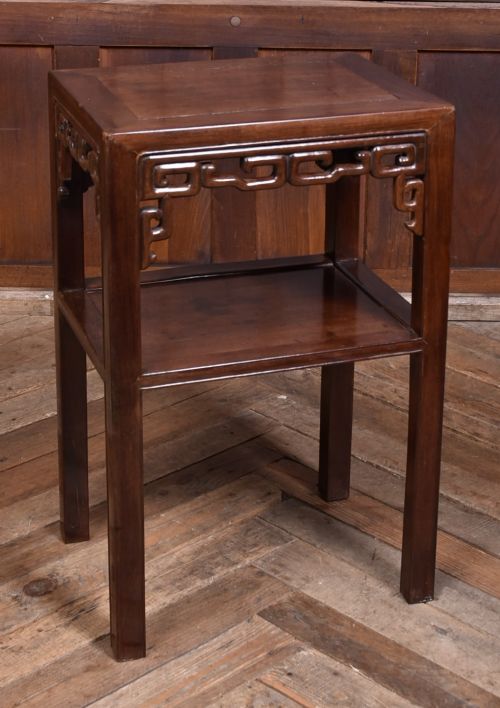
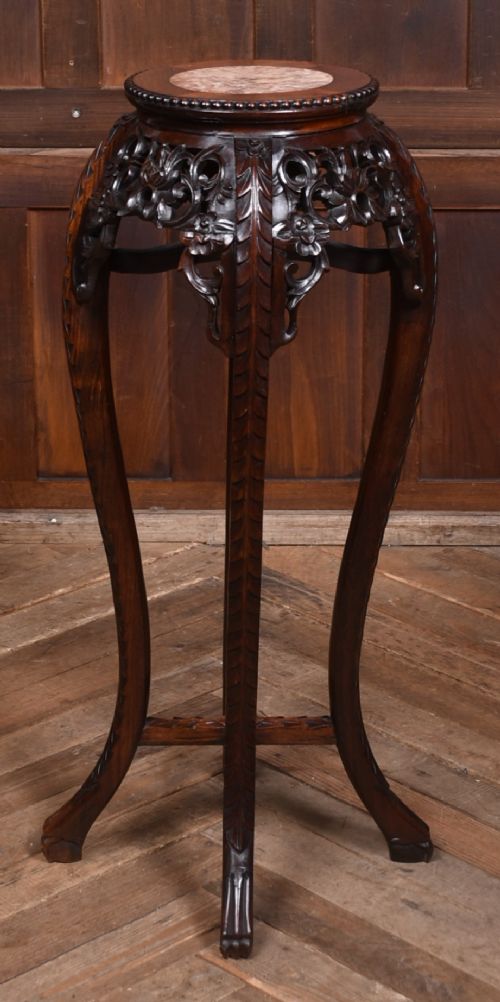
Oriental vase pedestal supports elevate heavy vessels using dense Asian hardwoods and inset marble.
Oriental Vase Pedestal
An oriental vase pedestal serves to elevate decorative urns, planters, and large vessels above floor level for display. When searching for an oriental vase pedestal, buyers encounter low plant stands and taller display columns designed to support substantial weight.
The pieces appearing on this page span the nineteenth century through the mid twentieth century, covering Victorian, Edwardian, Meiji, and Qing Dynasty eras. Forms include carved wooden plant stands, jardiniere stands, and marble top urn supports.
Hardwood tables and carved stands dominate the selection, often featuring inset marble panels or lacquered surfaces. Buyers frequently find matching pairs alongside single monumental temple vases and smaller lamp tables.
Materials and construction methods
Carpenters utilised dense tropical timbers such as hardwood, rosewood, huali, and hongmu to construct durable frames capable of holding heavy ceramic and porcelain pieces. These woods provide the structural strength needed for carved aprons and cabriole legs.
Many stands incorporate inset marble slabs within the wooden top to create a cool, stable surface for heavy vases and planters. Artisans also applied lacquer and gold leaf finishes to enrich the decorative appearance of wooden and brass elements.
Listings feature items from the nineteenth century, Victorian era, Edwardian period, and early twentieth century up to the 1940s.
Determinants of quality
The depth and crispness of hand carving distinguish superior examples from plain utility pieces. Heavy timber selection and tight joinery indicate skilled workshop production rather than mass output.
The quality of inset marble, particularly free of major fissures, alongside well-preserved lacquer or enamel work, dictates the overall refinement of the stand.
The Oriental Vase Pedestal Glossary
- Jardiniere
- A large decorative pot or planter, usually ceramic or porcelain, designed to hold plants. These vessels sit atop the low pedestals and stands found in this category.
- Hongmu
- A dense red-brown hardwood utilised in traditional Chinese furniture and display stands. It provides exceptional weight and durability for carved supports.
- Meiji Period
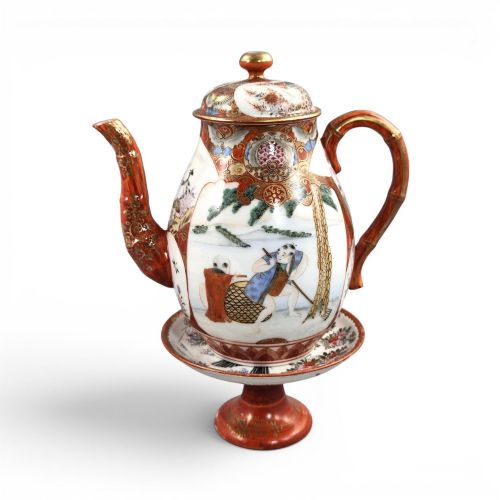
- The era of Japanese history spanning from 1868 to 1912, noted in listings alongside Kutani porcelain and related accessories. Pieces from this time often exhibit refined craftsmanship.
- Cloisonné
- An enamelwork technique where thin metal wires form raised barriers on a surface to hold coloured pastes before firing. This method decorates vases and lamp bodies.
- Chinoiserie
- European artistic style reflecting Chinese motifs and decorative techniques, applied to furniture and large temple vases. It interprets traditional Asian aesthetics through Western taste.
Oriental Vase Pedestal: Frequently Asked Questions
What is an oriental vase pedestal used for?
These pieces elevate heavy ceramic vessels, urns, and planters to improve room visibility and protect floor surfaces. They place decorative objects at eye level.
Historically, scholars and collectors used them in interiors to display prized porcelain and bronze items.
How do I identify a Qing Dynasty stand?
Qing Dynasty stands typically feature dense tropical hardwoods like huali or hongmu with deep, traditional hand carving. Look for detailed floral or geometric aprons.
They often incorporate inset marble tops and date from the nineteenth or early twentieth century.
Can these stands support heavy items?
Yes, traditional construction utilises heavy tropical timbers and sturdy joinery designed to bear substantial weight. Marble top inserts provide a rigid, flat surface.
Most nineteenth-century plant and jardiniere stands were built specifically for heavy ceramic planters.
Are pairs common for these pedestals?
Matched pairs appear frequently among nineteenth-century Chinese export and Qing Dynasty listings. They were originally made to balance large room layouts.
Single stands also occur regularly for individual display tables and lamp bases.