


Oriental Vase Lamp Shade
When searching for an oriental vase lamp shade, you are looking at converted vessels and illuminated bases brought from East Asian traditions.
Oriental Vase Lamp Shade
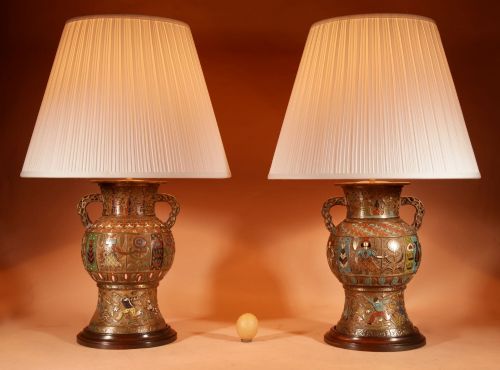
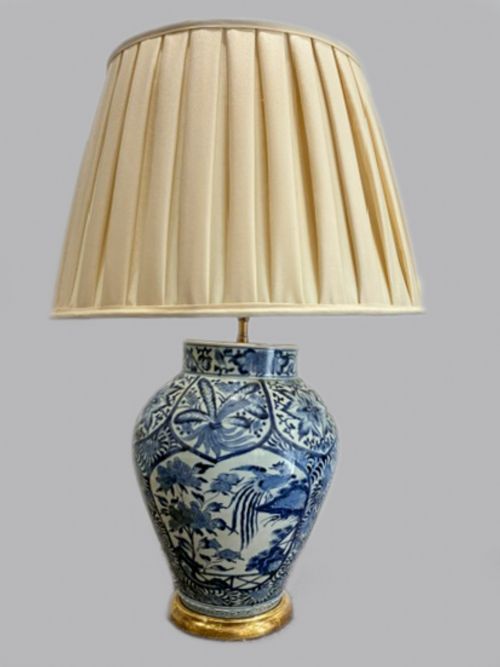
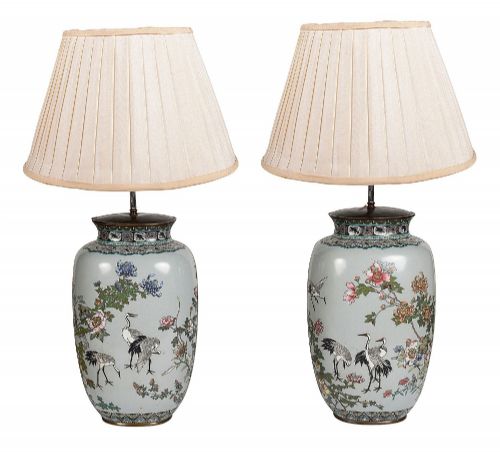
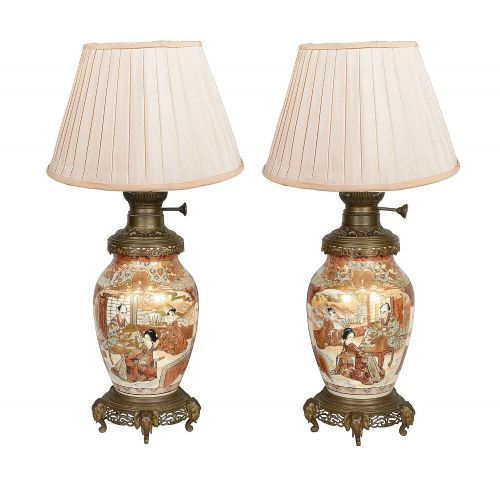
An oriental vase lamp shade sits atop converted vessels that span the seventeenth to the early twentieth century, originating from Chinese and Japanese workshops. These objects combine historical ceramic or metal bodies with modern electrical fittings to function as table lamps.
The most common forms on this page include blue and white porcelain jars, Satsuma earthenware, and Cloisonné enamel pieces adapted into table lamps. Buyers encounter both single lamp bases and matched pairs, often accompanied by fabric shades.
Vessels from the Qing dynasty, Meiji period, and earlier Edo productions form the core of these listings. Each piece represents a historical trade item or export ware later repurposed for domestic illumination.
Materials and Construction
Makers utilised high-fired porcelain, earthenware, and bronze as the primary structural bodies for these lamps. Artisans applied hand-painted glazes, including Famille Verte, Famille Rose, and blue and white pigments, directly onto the ceramic surfaces.
Metal components such as brass, gilt bronze, and ormolu mounts were cast and fitted to secure the vase bodies and house electrical wiring. Silk, fabric, and parchment elements complete the shade assemblies, paired with wooden or metal bases.
Several seventeenth-century jars found a second career reading bedtime stories after centuries of resting on distant shelves.
Quality and Execution
The fineness of hand-painted detail on the porcelain or enamel surface dictates the visual calibre of each lamp. Crisp brushwork, vibrant glaze retention, and intricate champlevé or cloisonné wirework distinguish superior examples from simpler production pieces.
The integration of the conversion matters significantly to the overall integrity of the piece. High-grade mountings respect the original vessel without causing structural damage, whereas inferior adaptations alter the antique body heavily during electrification.
Samson
The Oriental Vase Lamp Shade Glossary
- Cloisonné
- An enamel technique where metal wires form small compartments on a metal base, which are then filled with coloured paste and fired. This method creates intricate patterns across vases and lamp bodies.
- Satsuma
- A type of Japanese earthenware featuring a pale, ivory-coloured crackle glaze decorated with polychrome enamels and gilt. These wares were widely exported during the Meiji period.
- Famille Verte
- A Chinese porcelain palette dominated by green enamel hues, developed during the Qing dynasty. Pieces display detailed floral, figurative, and landscape motifs.
- Ormolu
- Gilded bronze applied as decorative mounts to furniture and ceramics. It provides a polished, ornamental finish to the base and collar of converted lamp vessels.
- Imari
- Japanese export porcelain decorated in underglaze blue, iron red, and gold. The style originated in Arita and became popular in European interiors.
Oriental Vase Lamp Shade: Frequently Asked Questions
How do I clean an antique vase lamp?
Dust the ceramic body and fabric shade gently with a soft, dry cloth. Avoid using liquid cleaners or chemical agents on painted or gilded surfaces.
Ensure the lamp is unplugged before undertaking any maintenance. Take care around older metal mounts and wired fittings to prevent loosening the historical structure.
Can I replace the lamp shade safely?
You can replace the shade by matching the fitter type and proportions of the original vessel. Standard harp and spider fittings accommodate a wide variety of modern or period-style covers.
Keep the scale of the shade balanced with the vase body to maintain visual harmony. Ensure the bulb wattage aligns with the electrical capacity of the vintage wiring.
How can I tell Satsuma from other wares?
Satsuma earthenware is characterised by a distinctive fine crackle glaze over a buff or cream-coloured clay body. The decoration typically relies heavily on raised enamel and gilt detailing.
Unlike hard-paste porcelain, earthenware possesses a slightly porous composition. Most pieces date from the nineteenth or early twentieth centuries.
Are these lamps converted from old vases?
Most of these pieces started life as decorative vases, ginger jars, or ceremonial vessels before receiving electrical fittings. Artisans mounted the antique bodies to function as table lamps while retaining the original ceramic or metal artistry.
This conversion process allows historical export wares to find a practical purpose in modern interiors. The original character of the vessel remains the primary focus.